After Everyone's Dead
A man fights zombies and his own mind after global collapse.
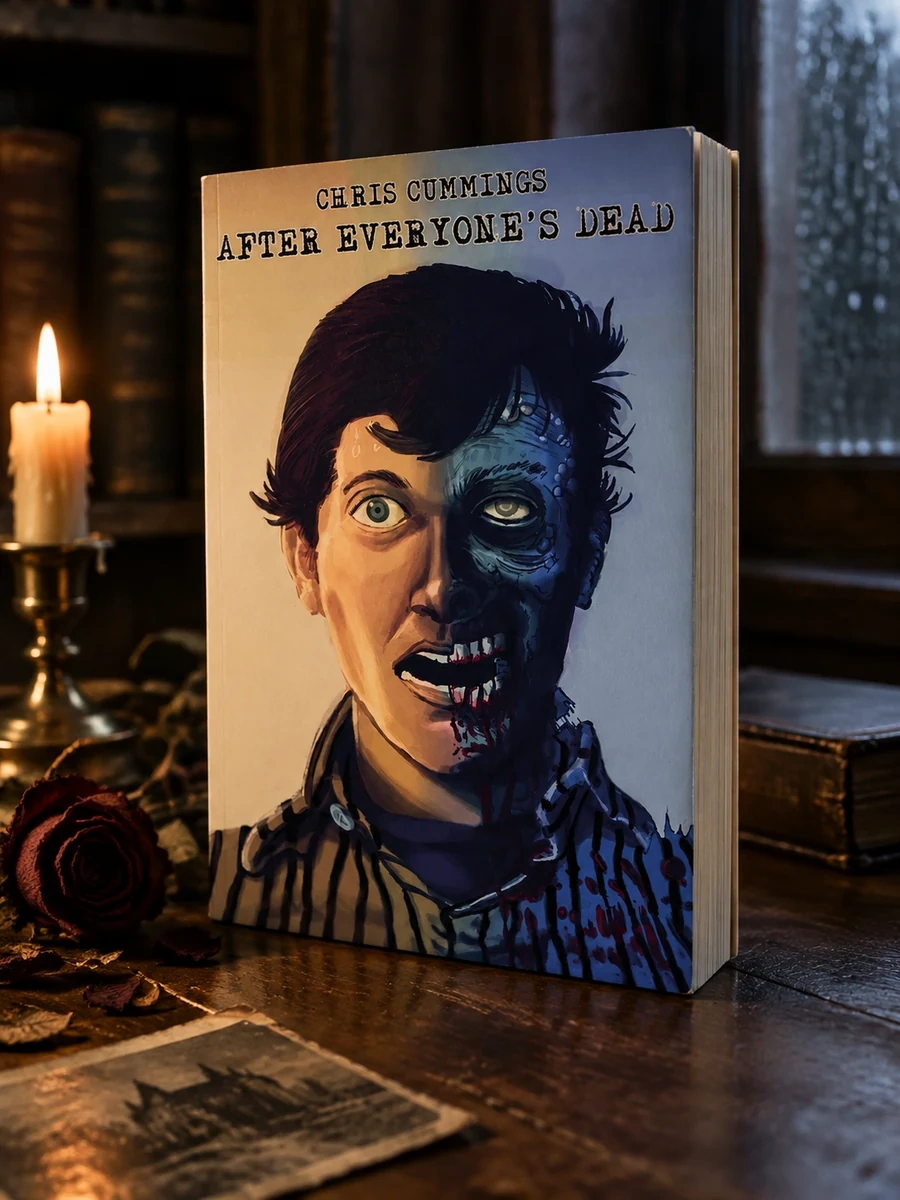
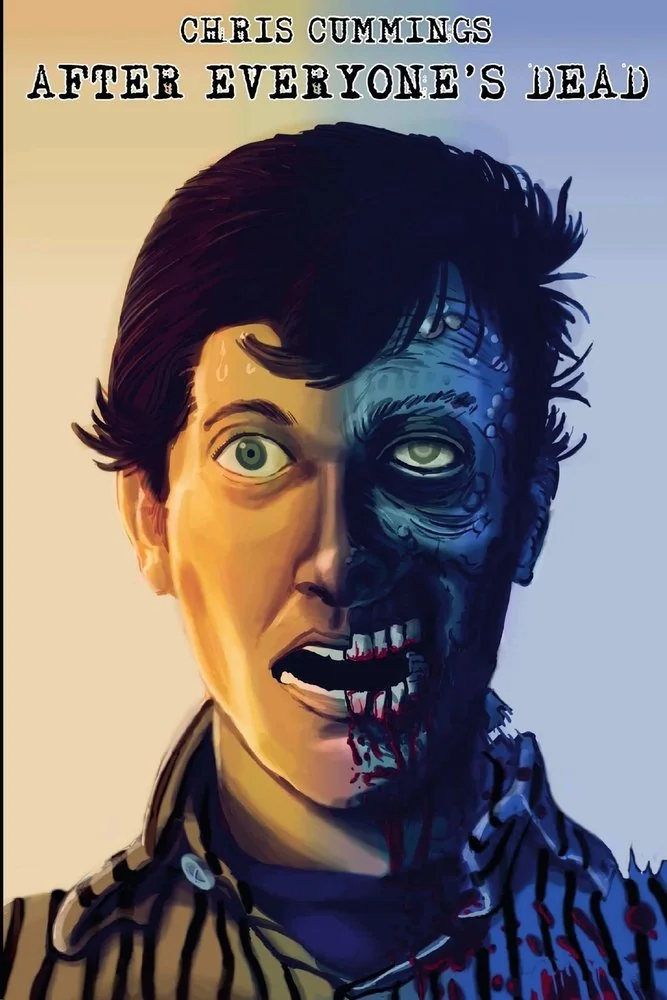
Chris Cummings writes about Chris Wake, who survives in a ruined world. He battles undead creatures while trying to heal his broken psyche. The story highlights the struggle to maintain hope when everything is lost. Wake protects friends and family from flesh-eating threats. He seeks out people he has lost amidst the chaos. The narrative focuses on his internal conflict between doing what is right and staying alive. Cummings portrays a dark, isolated setting where trust is scarce. The plot moves through obstacles that test Wake’s resolve. It examines how trauma shapes decisions in a deadly environment. The book emphasizes the psychological weight of survival over mere physical endurance.
This 2014 publication by Lulu.com sits within the contemporary independent horror fiction market. It draws on the tradition of zombie apocalypse narratives, focusing on personal survival rather than global political commentary. The work reflects a period where self-publishing allowed for niche supernatural stories to reach readers directly.


📝 Description: After Everyone's Dead
💎 Our verdict on After Everyone's Dead
📖 Why choose it
Why this book is worth reading
Readers who appreciate character-driven narratives within the horror genre will find this book compelling. It offers a deep dive into the psychological toll of survival, making it ideal for those interested in how trauma shapes decision-making under extreme pressure. Unlike stories focused solely on physical endurance, this text emphasizes emotional recovery and moral integrity amidst chaos. It suits audiences seeking a slower, more reflective pace that examines the fragility of the human mind when societal structures collapse. Fans of dark fantasy and psychological horror will value the exploration of isolation and the struggle to maintain hope in a hostile environment.
⭐ Reader reviews
Reader rating
This novel distinguishes itself by focusing heavily on the internal conflict of its protagonist rather than just external threats. Cummings effectively portrays the tension between moral integrity and the primal urge to survive, creating a grounded and realistic depiction of post-apocalyptic life. The narrative excels in examining how trauma influences choices in a deadly environment, offering a nuanced look at identity reclamation. While it may lack the fast-paced action some horror readers crave, its strength lies in its emotional depth and psychological realism. It is best suited for those who enjoy introspective stories where the true monster is often the broken psyche of the survivor, providing a thoughtful alternative to standard zombie fare.