
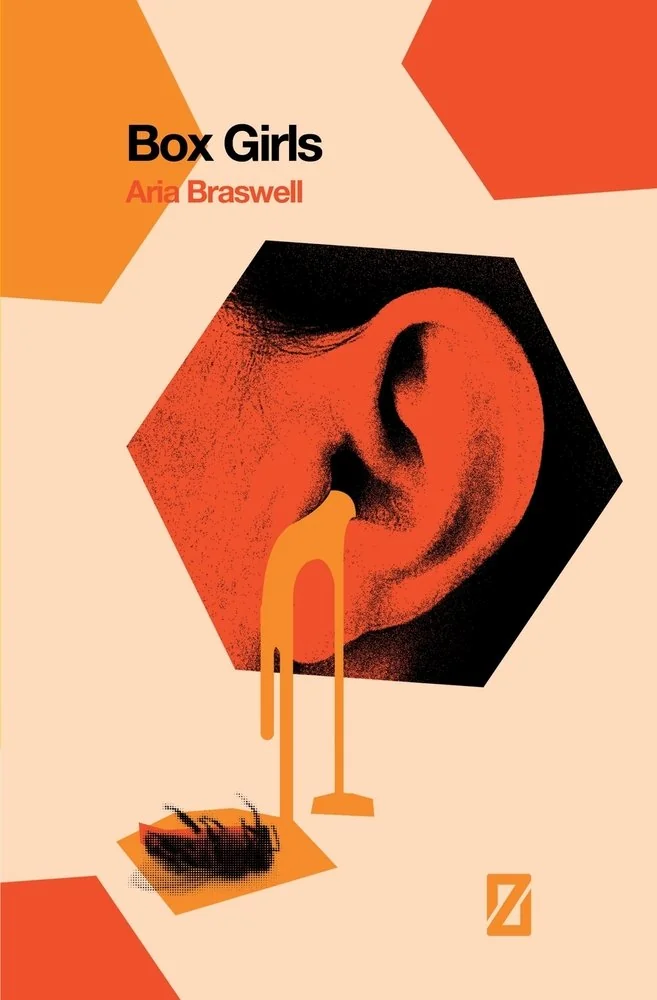
Box Girls
A transcript reconstructing the Strasbourg hotel mystery through interviews.
The text operates as a forensic reconstruction of a localized urban legend. It utilizes primary source material such as audio recordings and written transcripts to build a case study on the Box Girls phenomenon. The author focuses on the aftermath of a performer's death and the cultural erasure that followed. This method allows for a multi-perspective view of the tragedy, highlighting how memory distorts over time. The narrative structure mirrors the fragmented nature of oral history, requiring the reader to synthesize disparate accounts into a coherent understanding of the events.
The story is rooted in the back alleys of Hollywood Boulevard. It addresses a mystery that persisted for nearly twenty years before being documented. The setting involves legendary art installations and supernatural elements tied to specific local geography and urban folklore traditions.


📝 Description: Box Girls
💎 Our verdict on Box Girls
📖 Why choose it
Why this book is worth reading
Readers seeking immersive, non-traditional horror will find value in this fragmented narrative structure that prioritizes the voices of witnesses over a single authoritative perspective. It is ideal for those who appreciate synthesizing disparate accounts to understand complex tragedies and cultural erasure. The book offers an intimate look at how memory distorts over time, making it suitable for enthusiasts of gothic urban legends and psychological horror. Those interested in the intersection of visibility, identity, and perception within a collapsing world context will gain insight into the aftermath of performance art gone wrong.
⭐ Reader reviews
Reader rating
Braswell’s approach creates a disjointed yet immersive experience by relying on detritus and primary source material to piece together a frenzied narrative. The text operates as a forensic reconstruction, utilizing audio recordings and written transcripts to build a case study on the Box Girls phenomenon. This method highlights the cultural erasure following a performer's death, offering answers to a mystery known only to a few. It suits readers who appreciate non-linear storytelling and oral history formats. Those seeking traditional linear plots may find the structure challenging, but fans of multi-perspective horror will find the fragmented voices compelling and deeply unsettling.
You might also like
See more →







Have a question about this item?
Ask about the edition, condition, delivery or anything else — we reply by email or phone, usually within a day.
