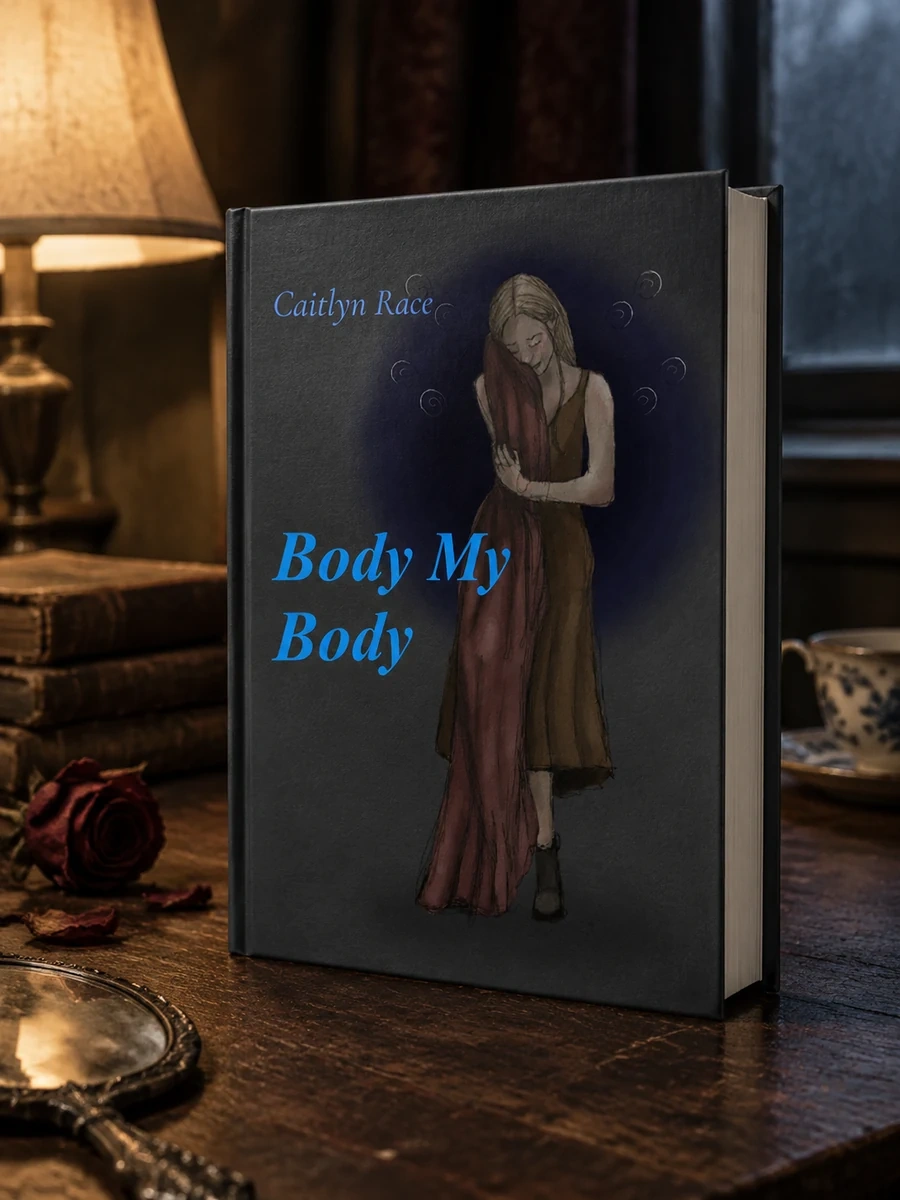
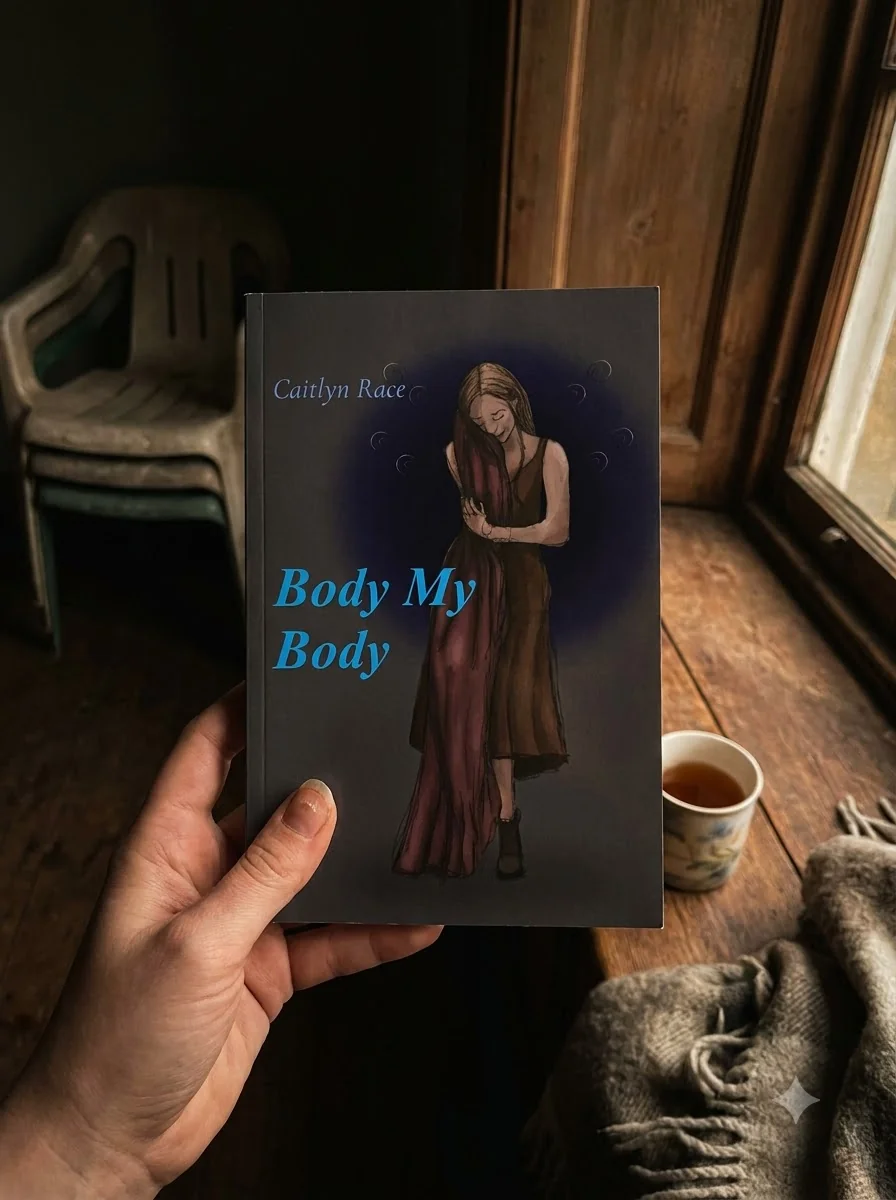
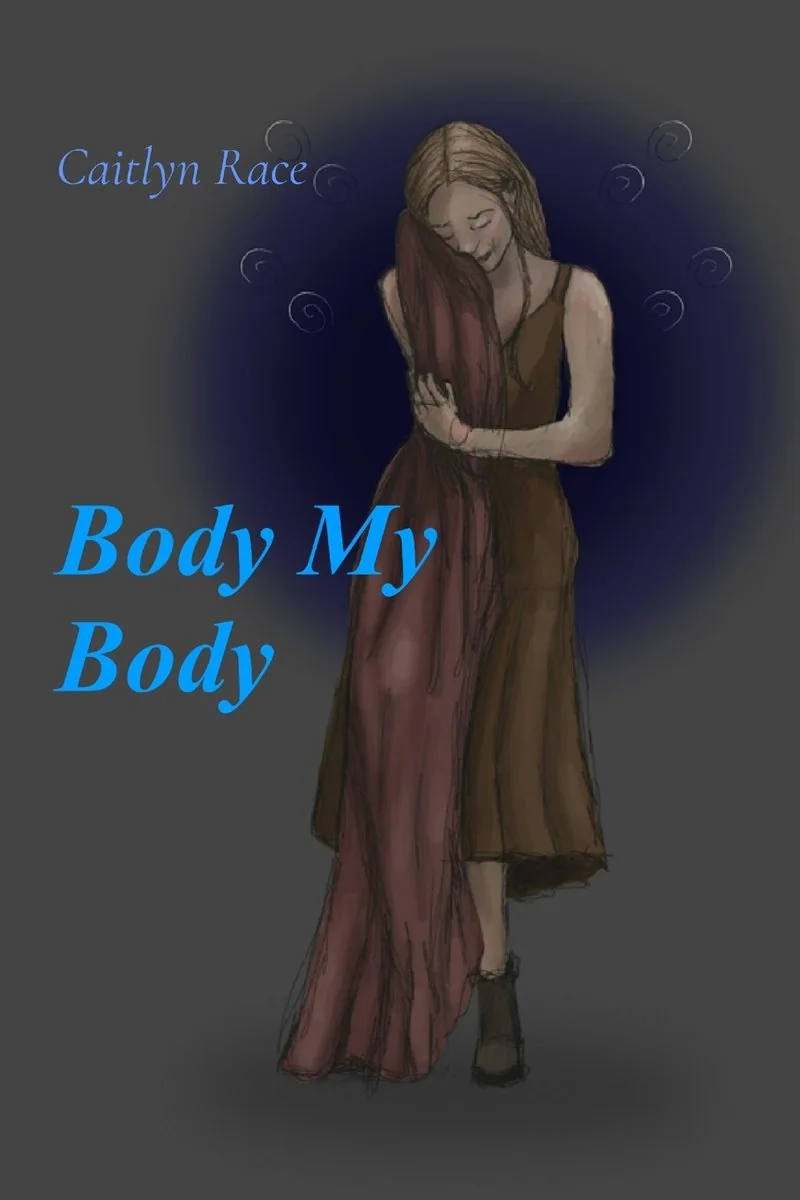
Body My Body: a young women's struggles with sexuality
A memoir about trauma, queer longing, and bodily survival.
Race details how early exposure to predatory behavior shaped her understanding of desire. She connects childhood hypervigilance in domestic and digital spaces to adult struggles with intimacy. The narrative rejects simple healing arcs. It shows how shame and longing coexist within the same physical space. The author uses sensory details to map the geography of coercion. This approach highlights the complexity of queer awakening amidst abuse. The text avoids moralizing or offering quick fixes. It presents survival as a daily practice rather than a final destination.
This 2026 publication by Caitlyn Race addresses contemporary discussions on grooming and queer identity. It sits within the tradition of personal memoirs that examine the intersection of sexuality and safety. The work reflects current cultural conversations about consent and the long-term effects of coercion on young women.


📝 Description: Body My Body: a young women's struggles with sexuality
💎 Our verdict on Body My Body: a young women's struggles with sexuality
📖 Why choose it
Why this book is worth reading
Readers seeking a raw, unflinching examination of trauma recovery and queer awakening will find profound value in this narrative. It offers a vital perspective on how hypervigilance and shame coexist within the physical self, rejecting simple healing arcs for a more complex reality. Those interested in visceral accounts of bodily survival amidst coercive environments will appreciate the sensory mapping of abuse. The book is essential for anyone wanting to understand the slow, daily practice of staying alive after trauma. It provides a grounded look at unlearning fear and finding self-belonging without resorting to moralizing or easy redemption, making it a crucial text for understanding the intersection of queer longing and traumatic memory.
⭐ Reader reviews
Reader rating
Race delivers a lyrical yet harrowing account of how early predatory behavior shapes adult intimacy and desire. The prose vividly maps the geography of coercion through sensory details, avoiding traditional horror tropes in favor of psychological realism. While it lacks clear-cut resolutions, its strength lies in depicting survival as persistence rather than a final destination. This memoir suits readers comfortable with difficult, non-linear narratives about trauma and queer identity. It is best appreciated by those seeking visceral insights into the body’s memory of abuse. Readers expecting dramatic redemption may find the quiet, uneven path to self-belonging demanding, but rewarding for its honesty and refusal to offer quick fixes or comfort.
You might also like
See more →







Have a question about this item?
Ask about the edition, condition, delivery or anything else — we reply by email or phone, usually within a day.
