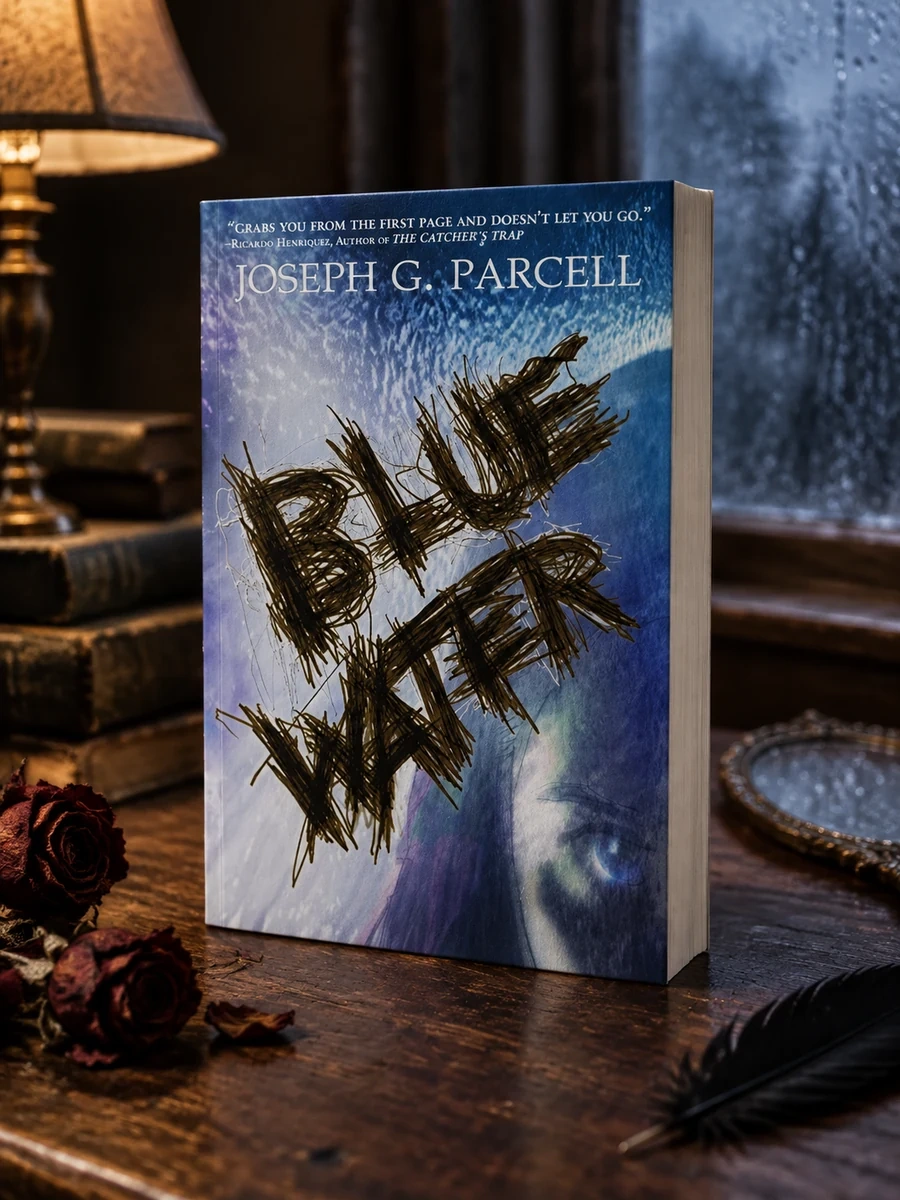

Blue Water
A woman follows a hallucinated child into madness while fighting for independence.
Emily Hunter has spent most of her adult life in psychiatric care. She now works nights and sees a therapist twice weekly to manage her condition. Her stability is threatened by Carrot, a persistent vision of a girl in purple pajamas. Emily previously dismissed these visions but now feels compelled to follow them. The narrative follows her descent as she prioritizes the child’s guidance over her medical regimen. Parcell uses this premise to examine how delusions can feel more real than reality itself. The story does not shy away from the gritty details of mental health management or the terror of losing one’s grip on truth.
Published in 2018 by Quill Press, this work fits within contemporary American horror fiction. It reflects modern interest in psychological realism and the stigma surrounding mental health treatment. The narrative draws on gothic literary traditions to explore isolation and madness.


📝 Description: Blue Water
💎 Our verdict on Blue Water
📖 Why choose it
Why this book is worth reading
Readers interested in character-driven studies of psychosis and the uncanny will find this narrative compelling. It appeals to those who enjoy slow-burn dread and complex portrayals of mental health struggles. The book offers a claustrophobic reading experience that mirrors the protagonist's isolation, immersing the audience in her deteriorating reality rather than providing easy answers. It is ideal for audiences seeking a tense atmosphere crafted through internal monologue and surreal visions, prioritizing psychological depth over plot resolution.
⭐ Reader reviews
Reader rating
Parcell crafts a tense atmosphere through Emily’s internal monologue and surreal visions. The text relies on the tension between rational efforts to maintain control and the overwhelming power of delusions. This approach creates a claustrophobic reading experience that mirrors isolation. The story remains grounded in the protagonist's perspective, ensuring the horror stems from her deteriorating grip on truth. While it may not satisfy readers seeking fast-paced action or clear resolutions, the ambiguous ending serves the thematic exploration of how delusions can feel more real than reality itself, offering a gritty examination of mental health management.
You might also like
See more →




Have a question about this item?
Ask about the edition, condition, delivery or anything else — we reply by email or phone, usually within a day.
