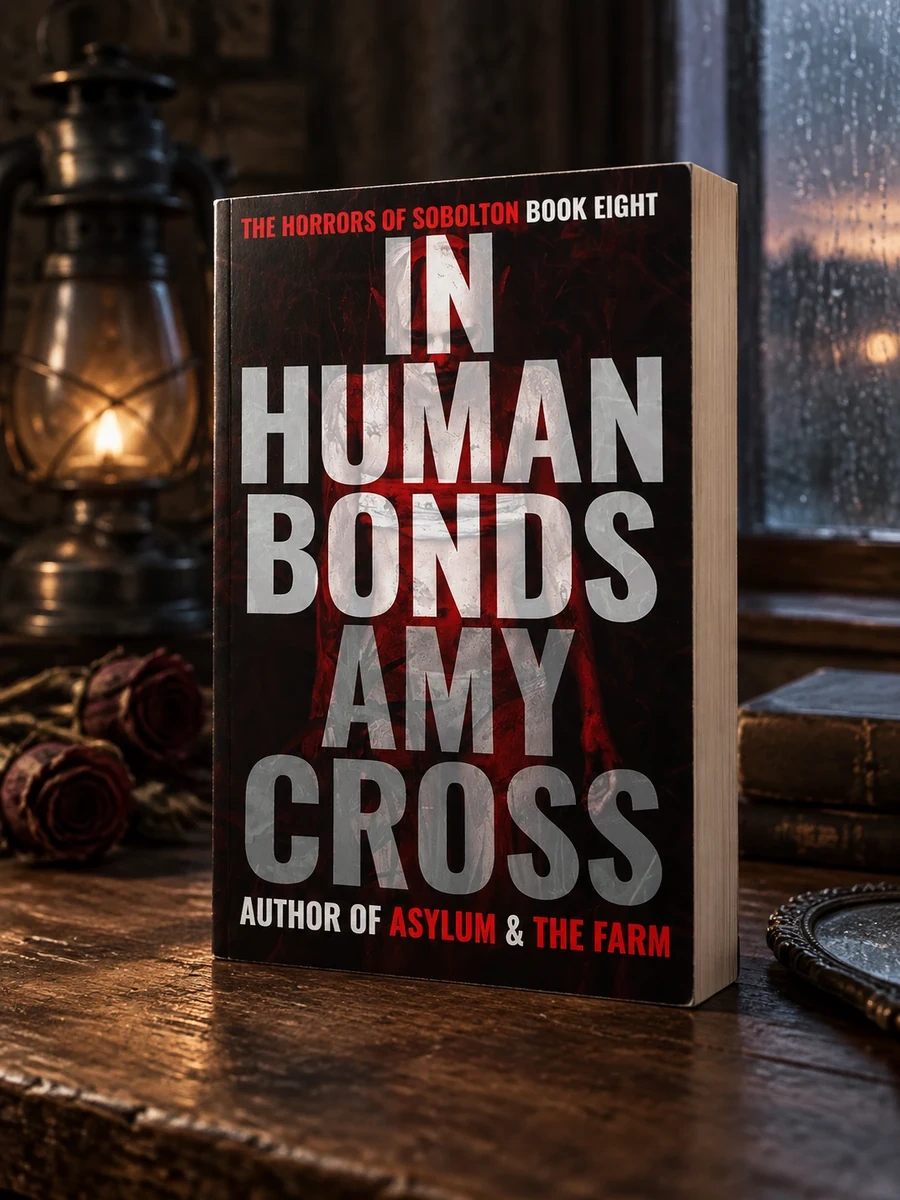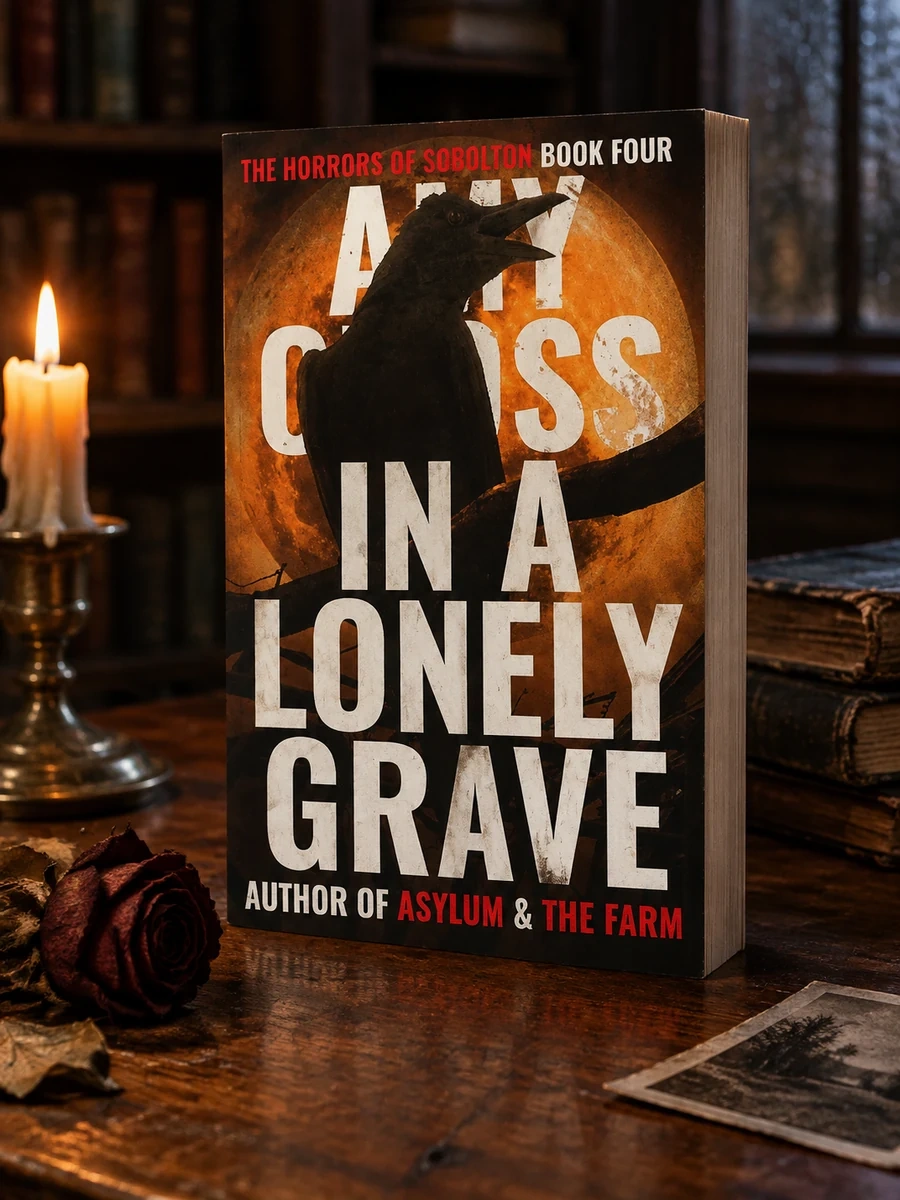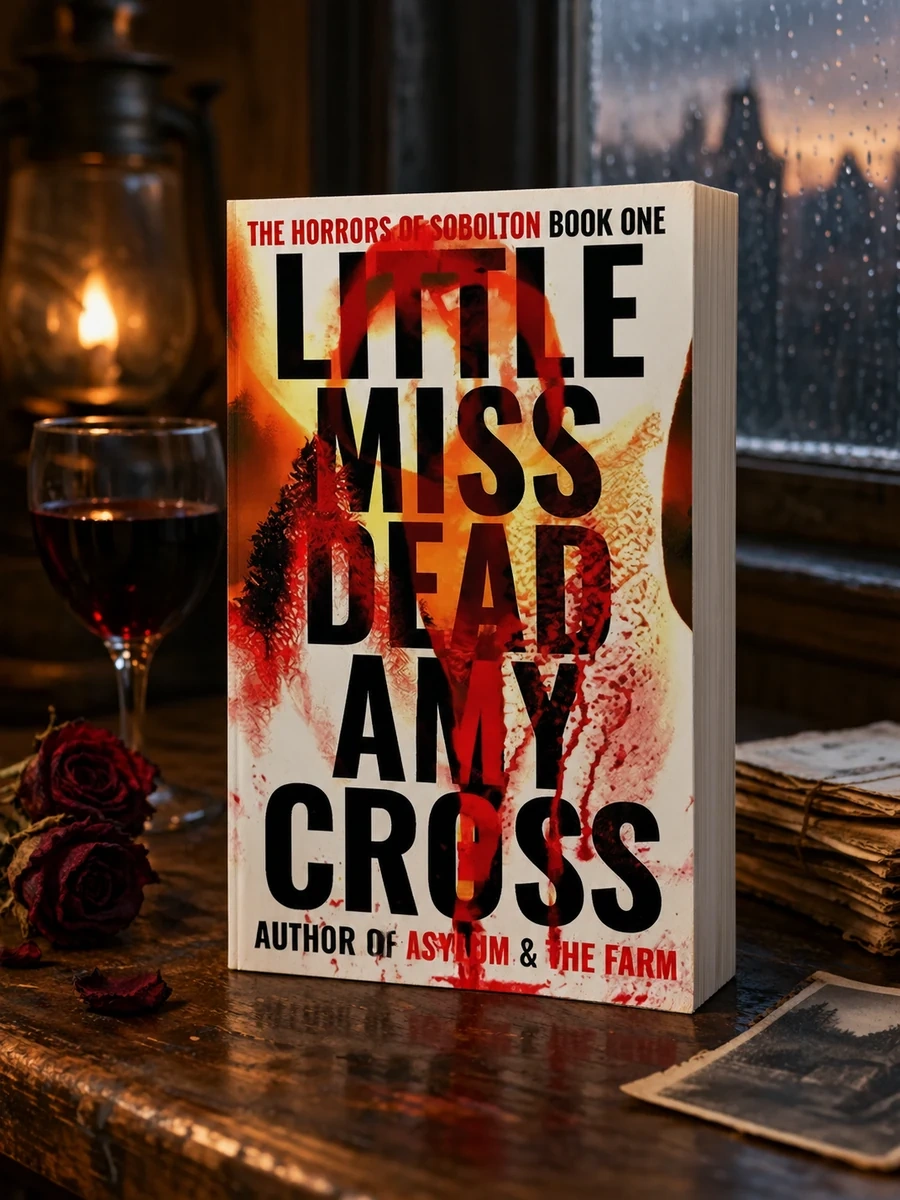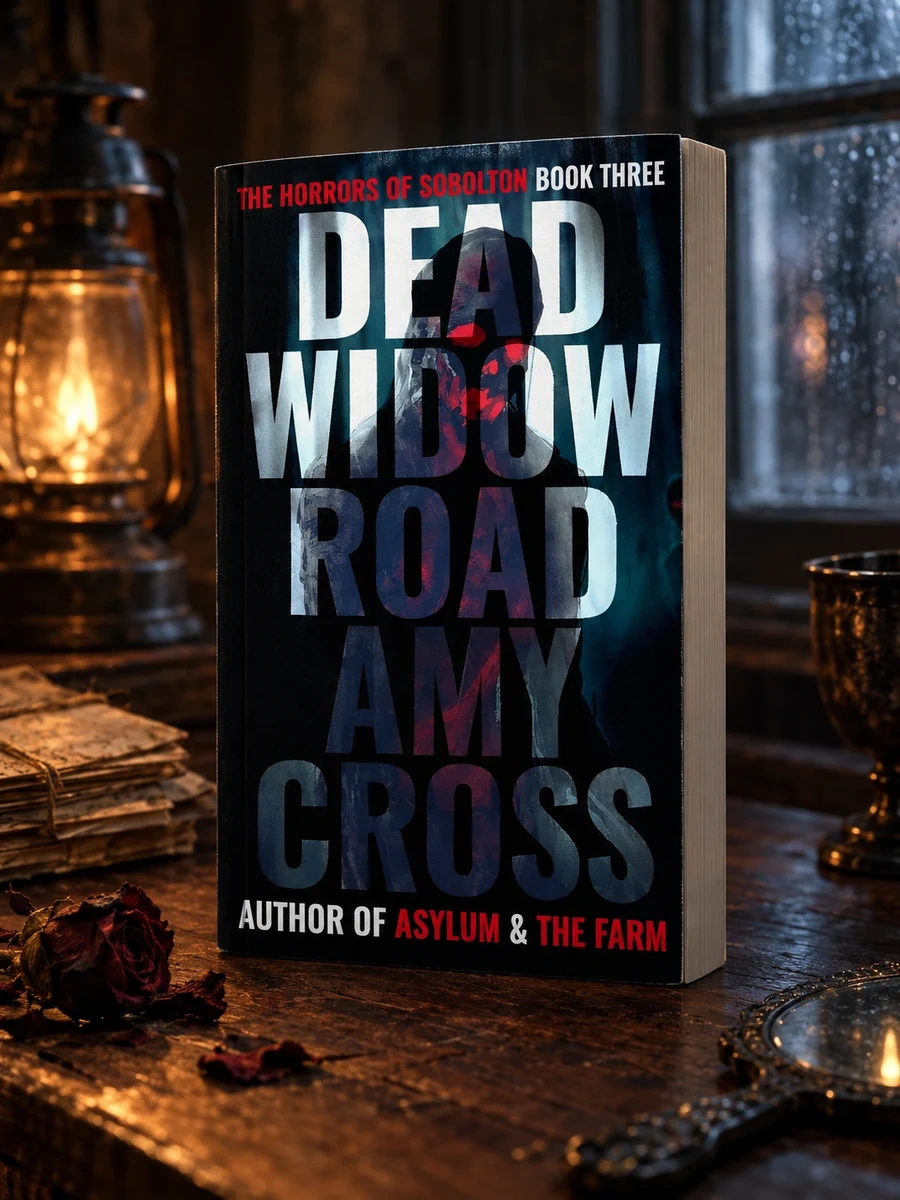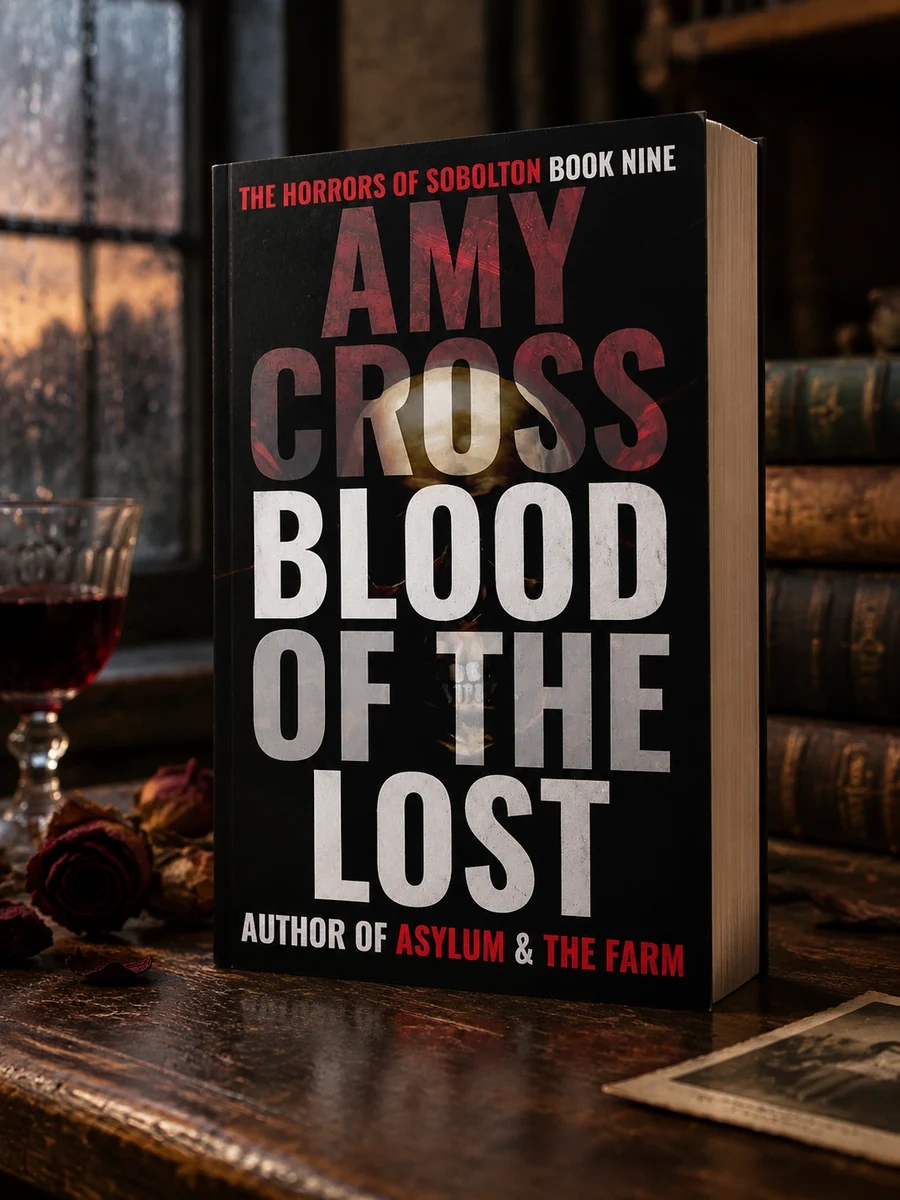
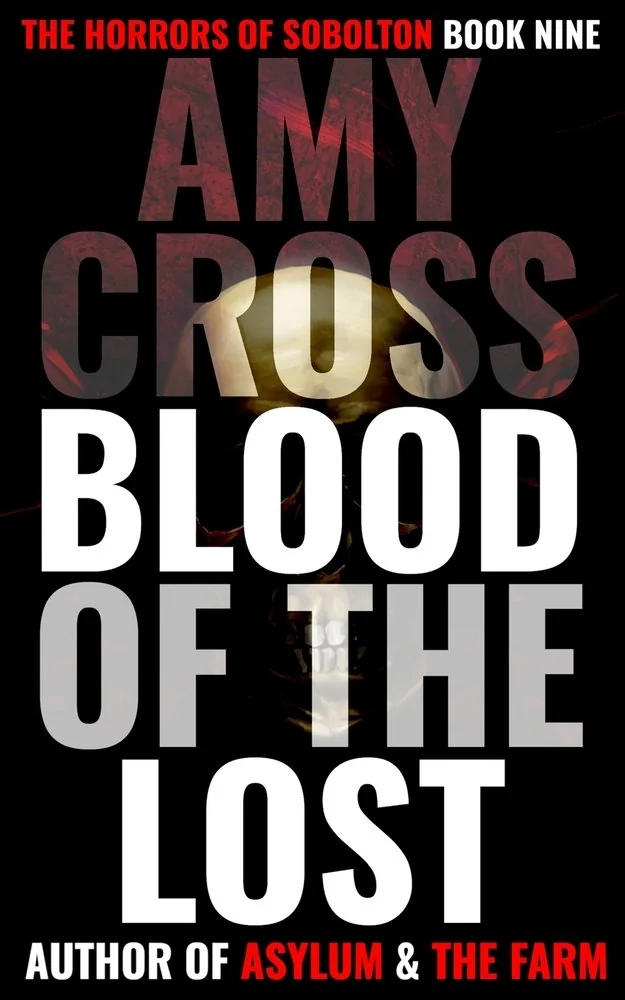
Blood of the Lost
Ninth entry in the Horrors of Sobolton series exploring frontier horror and personal decay.
Cross examines the duality of fear through dual timelines. John’s modern struggle for control contrasts with historical attempts at peace. The narrative highlights how hubris and overcrowding fuel supernatural threats. Lisa and Robert watch helplessly as John deteriorates. The past reveals a community on the brink of collapse due to resource scarcity and broken treaties. This structure emphasizes the cyclical nature of the town's suffering.
The story sits within the American frontier tradition, blending gothic horror with supernatural fiction. It draws on themes of community overcrowding and treaty breakdowns typical of western expansion narratives, focusing on a small town's struggle against external threats.


📝 Description: Blood of the Lost
💎 Our verdict on Blood of the Lost
📖 Why choose it
Why this book is worth reading
Readers who appreciate serialized horror frameworks will find this ninth entry deeply rewarding, particularly those drawn to the intersection of psychological deterioration and supernatural threat. The dual-timeline structure offers a compelling examination of hubris, as John’s modern struggle for control mirrors the historical community’s descent into chaos due to overcrowding and broken treaties. Fans of gothic supernatural fiction will enjoy the atmospheric tension derived from resource scarcity and the fragile peace with local wolves. While prior knowledge enhances the experience by providing context for lingering cliffhangers, the thematic focus on personal decay and cyclical suffering stands strong. It is ideal for those who enjoy watching protagonists push themselves to the brink while navigating a town on the edge of collapse.
⭐ Reader reviews
Reader rating
Amy Cross effectively utilizes dual timelines to explore the duality of fear, contrasting John’s desperate modern grip on reality with Sobolton’s historical frontier struggles. The narrative excels in depicting how hubris and overcrowding fuel supernatural threats, creating a palpable sense of impending doom. While the serialized nature means new readers may miss some contextual nuances regarding previous cliffhangers, the thematic depth regarding community collapse remains accessible. The portrayal of John’s physical and mental deterioration adds significant emotional weight to the horror elements. This book suits fans of gothic supernatural fiction who enjoy intricate character studies within a larger, ominous framework. It successfully maintains the series’ tone while advancing the saga of paranormal monstrosities at the town's edge.