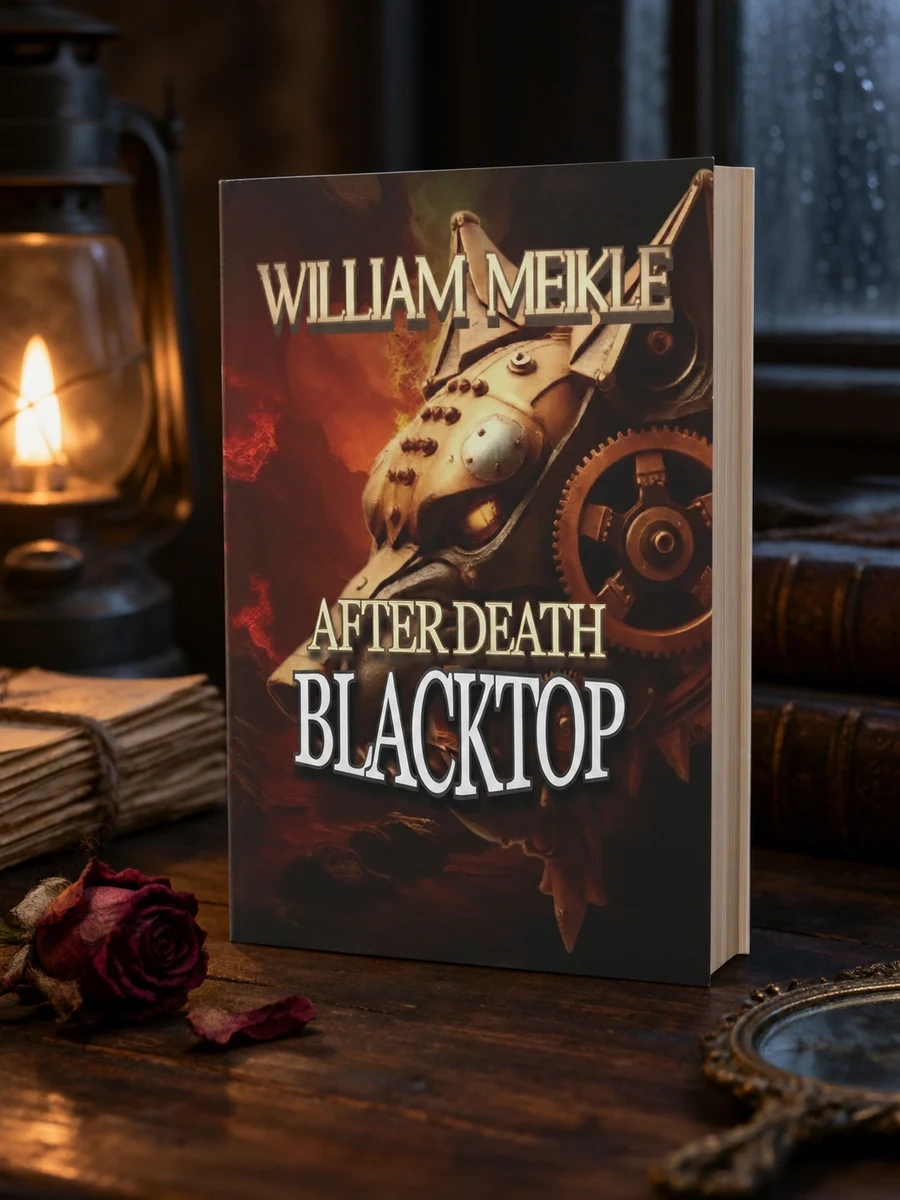
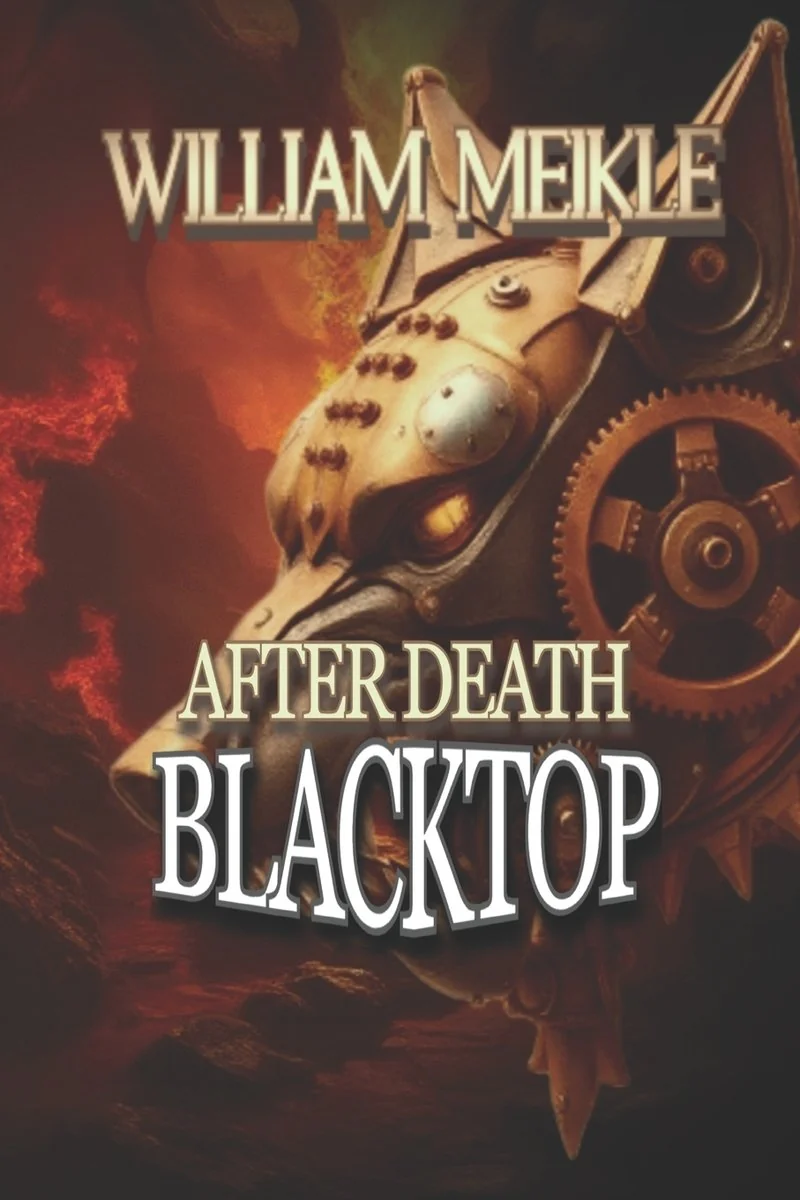
Blacktop: A Tale of the Afterlife
A hangover awakening in a post-apocalyptic landscape defines this horror tale.
The narrative centers on a man who wakes up with a stinking hangover in an unfamiliar place filled with wrecked vehicles. He realizes he is not alone but also that no one is pursuing him. The key element is the silence regarding prayer, which sets this apart from spiritual journeys. Meikle constructs a scenario where the afterlife feels like a desolate wasteland rather than a heavenly realm. This approach challenges the reader to accept a bleak interpretation of death. The story does not offer explanations for why he is there or how he arrived. It simply presents the situation and the character's reaction to it.
Published in 2022 by Independently Published, this work sits within the contemporary horror genre. It reflects a modern trend toward ambiguous supernatural fiction that avoids traditional religious frameworks. The title Blacktop suggests urban decay and isolation, common themes in recent American horror literature.


📝 Description: Blacktop: A Tale of the Afterlife
💎 Our verdict on Blacktop: A Tale of the Afterlife
📖 Why choose it
Why this book is worth reading
Readers who appreciate atmospheric dread and ambiguous afterlife scenarios will find this book compelling. It appeals to those interested in the subgenre of surreal horror where protagonists navigate unknown realities without external guidance. The narrative offers a stark, bleak interpretation of death that challenges spiritual expectations. It is ideal for audiences seeking disorienting experiences rather than clear resolutions. Fans of William Meikle’s other supernatural works will recognize his consistent style here. Those who enjoy internal confusion and sensory details over plot-heavy storytelling will gain the most. The absence of explanation forces engagement with the character's immediate perception, creating a unique reading experience for those willing to embrace uncertainty.
⭐ Reader reviews
Reader rating
Meikle constructs a powerful atmosphere of isolation through the protagonist’s disorientation in a post-apocalyptic landscape. The deliberate omission of prayer distinguishes this from typical spiritual journeys, offering a refreshing, albeit bleak, perspective on the afterlife. The focus on immediate sensory details and internal confusion creates a palpable sense of unease. While it lacks traditional plot resolution, this ambiguity serves the narrative’s tone effectively. The book suits readers who enjoy psychological horror and surreal settings. It avoids providing easy answers, demanding that the audience accept a desolate reality. This approach may not satisfy those seeking clear rules or heavenly rewards but offers a profound challenge to conventional beliefs about death.
📖 Read on the blog
📖 From the series “The William Meikle Chapbook Collection”






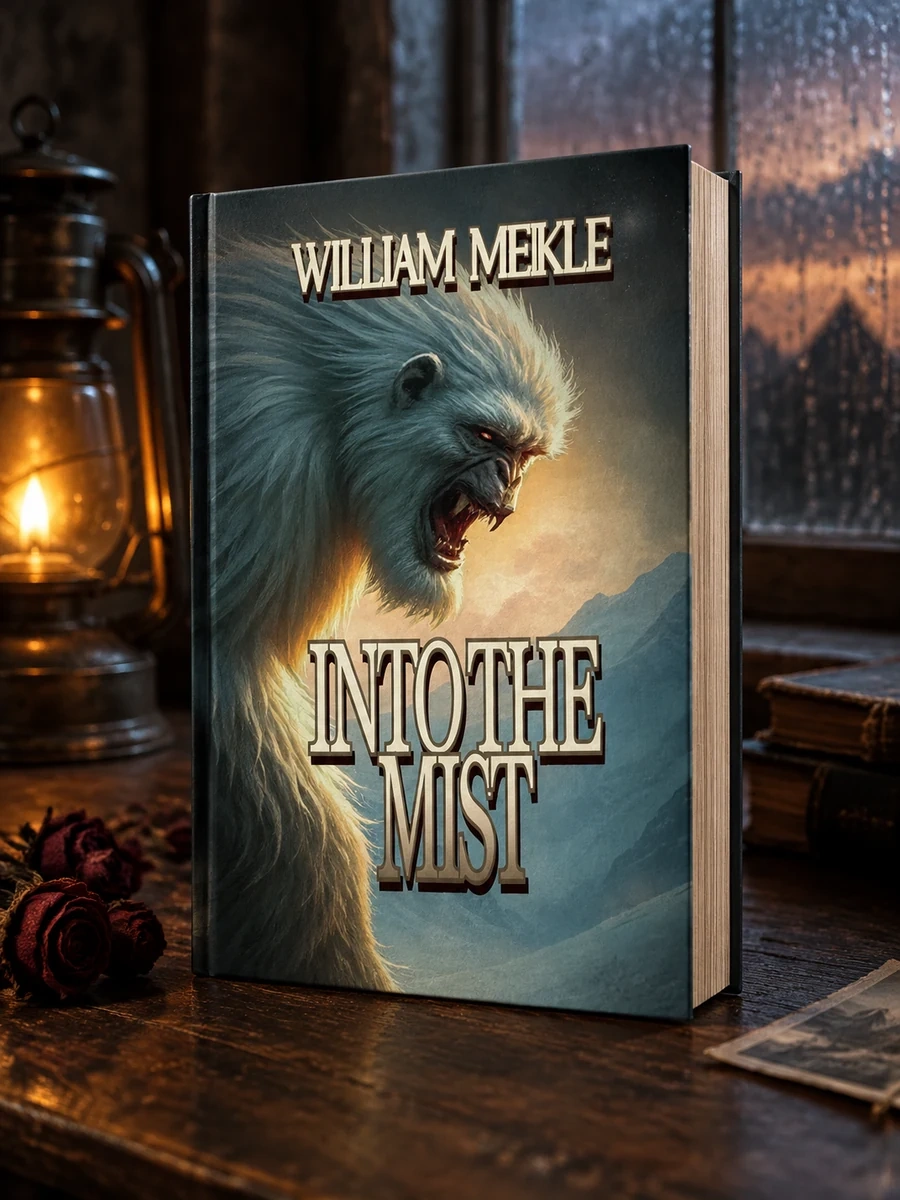
✍️ More books by this author William Meikle

🏛 Books from this publisher Independently Published






You might also like
See more →


Have a question about this item?
Ask about the edition, condition, delivery or anything else — we reply by email or phone, usually within a day.
