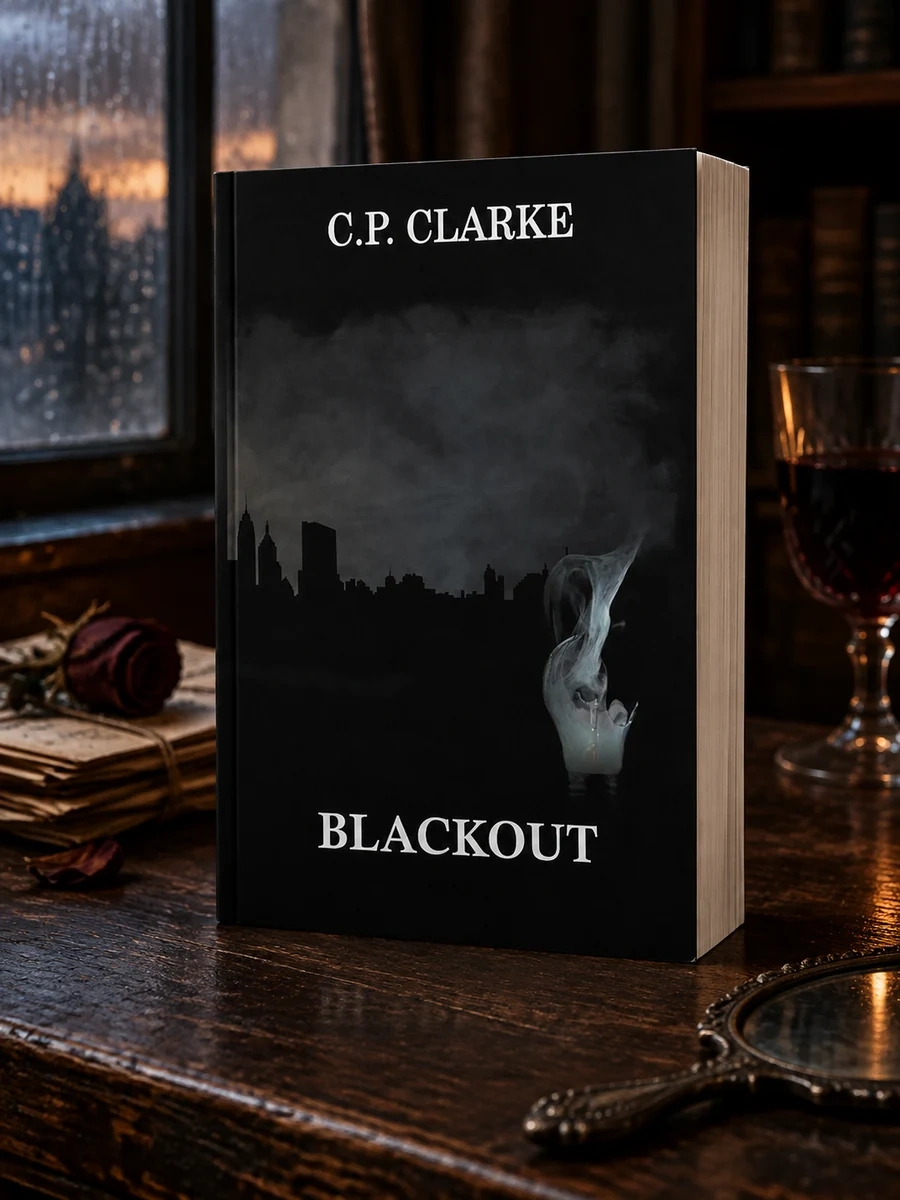
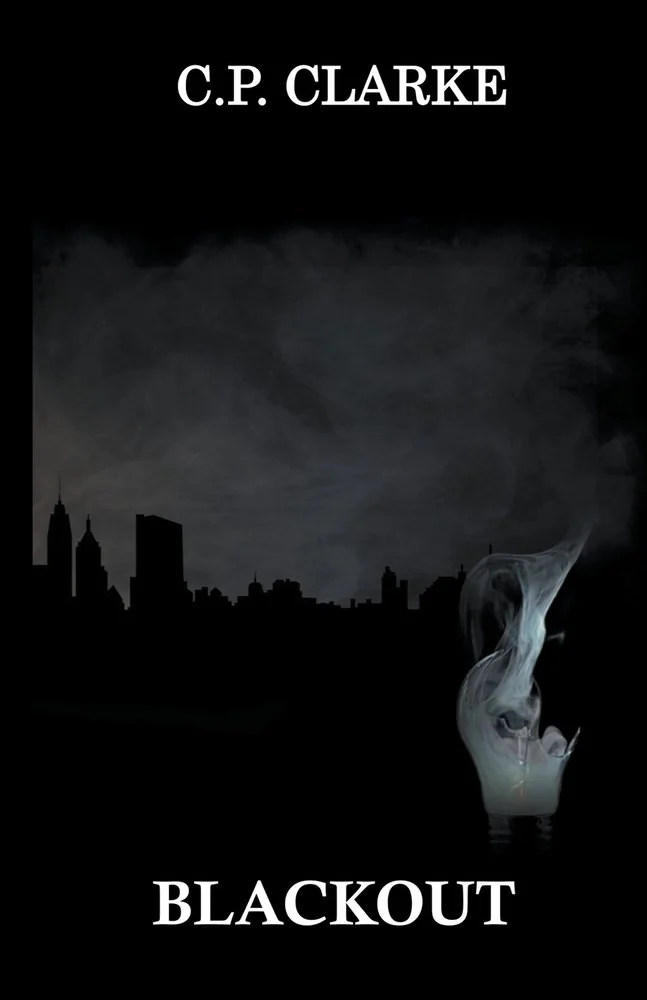
Blackout
A story about survival and sanity during a London blackout.
The narrative follows a man in London who must protect his family after the power fails. He bonds with neighbors to form a new community. Fear spreads alongside a mysterious virus. The group turns on itself as trust breaks down. Sanity becomes the primary threat rather than external dangers. Clarke explores how isolation affects human behavior. The story highlights the fragility of social structures when infrastructure collapses. Readers witness the gradual loss of hope and the rise of paranoia among survivors.
The book is set in London during a sudden blackout. It reflects on the vulnerability of modern infrastructure. The story examines how communities react when abandoned by authority. It draws on gothic traditions of isolation and supernatural dread.


📝 Description: Blackout
💎 Our verdict on Blackout
📖 Why choose it
Why this book is worth reading
Readers who enjoy psychological horror and apocalyptic fiction will find this narrative compelling. It appeals to those interested in the breakdown of social order under extreme stress, offering a study of how isolation erodes trust. The book suits audiences who prefer slow-burn tension over fast-paced action or clear resolutions. By focusing on the fragility of social structures and the rise of paranoia among survivors, it provides a unique perspective on survival. Clarke qualifies the genre by highlighting internal character decay alongside societal collapse. It is ideal for those who witness the gradual loss of hope and want to explore the primary threat of sanity itself.
⭐ Reader reviews
Reader rating
Clarke delivers a tense exploration of London during an unexplained blackout, where the true horror lies within the human psyche rather than external dangers. The narrative effectively tracks the erosion of community as neighbors turn on each other amid a mysterious virus. This approach suits readers seeking deep character studies and societal critique over traditional monster lore. The setting remains strictly confined to affected areas, emphasizing the claustrophobic nature of the collapse. While it may disappoint those seeking action or resolution, it rewards patience with a chilling look at paranoia. The work stands as a strong entry for fans of psychological dread who value atmospheric storytelling and the disintegration of social norms under pressure.
You might also like
See more →







Have a question about this item?
Ask about the edition, condition, delivery or anything else — we reply by email or phone, usually within a day.
