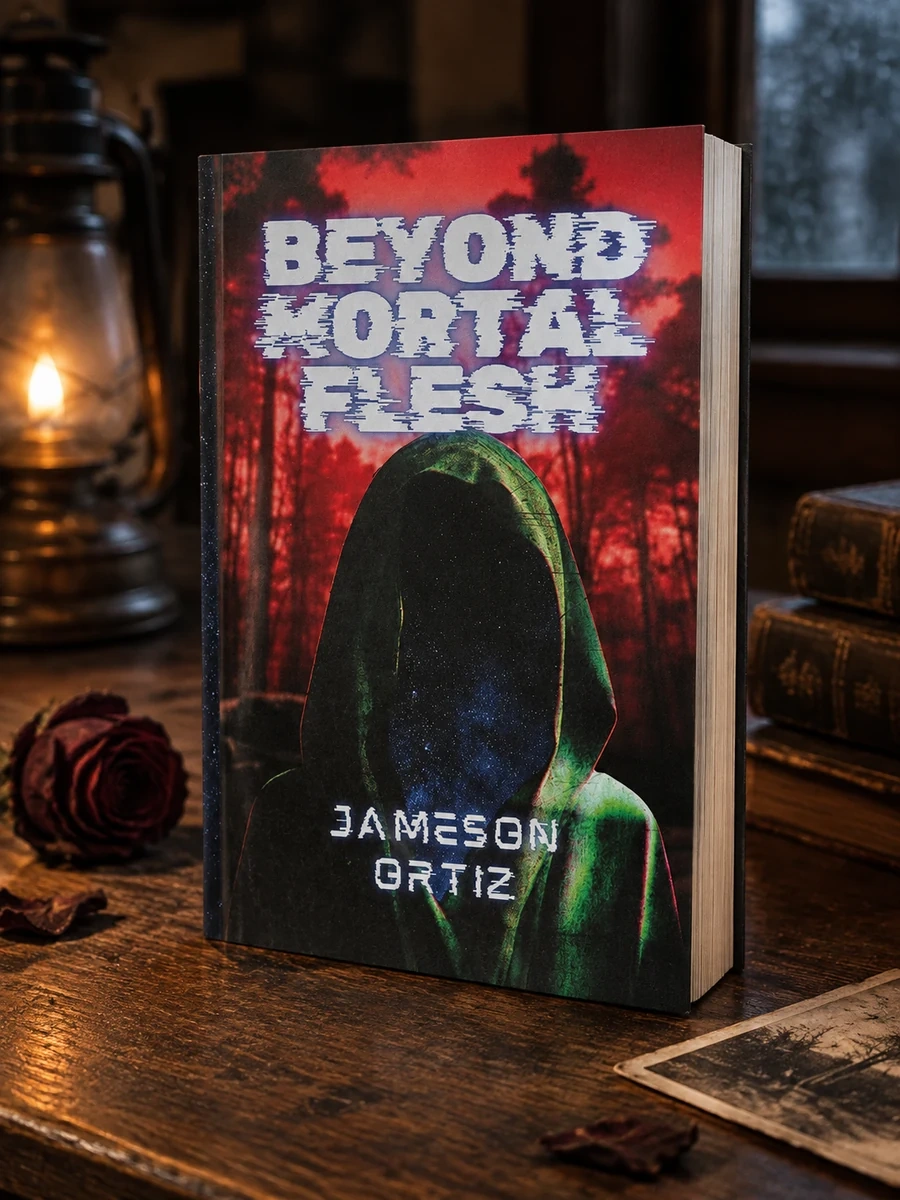
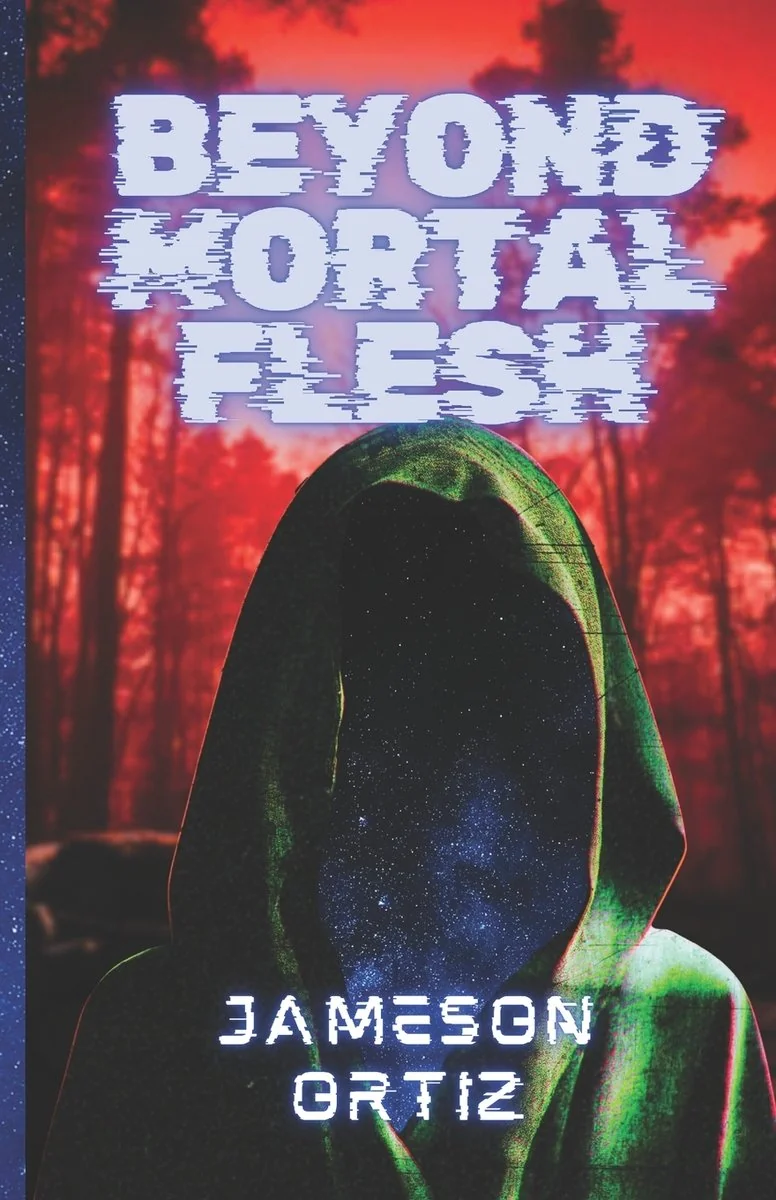
Beyond Mortal Flesh
Six stories exploring cosmic horror and bodily transformation by Jameson Ortiz.
This collection examines the terrifying transition from human to something else through six distinct narratives. Ortiz focuses on the consequences of seeking power or knowledge, whether through cult rituals, ancient gods, or mysterious creatures. The stories range from terrestrial body horror involving mold to vast cosmic threats on space stations. Each tale isolates a specific fear, such as loss of identity or apocalyptic annihilation. The author does not offer redemption but rather presents the bleak reality of what lies beyond mortal existence. The structure allows for varied tones within the same thematic framework.
Published in 2026 by Independently Published, this work sits within the contemporary landscape of independent horror fiction. It draws on established traditions of cosmic and supernatural horror to explore modern anxieties about identity and existence.


📝 Description: Beyond Mortal Flesh
💎 Our verdict on Beyond Mortal Flesh
📖 Why choose it
Why this book is worth reading
Readers who appreciate the visceral unease of body horror and the existential terror of cosmic dread will find this collection deeply rewarding. It is ideal for those seeking intense, unredemptive narratives that explore the loss of identity and apocalyptic annihilation. The book suits audiences interested in how technology intersects with supernatural horror, as well as fans of tales involving cult rituals and ancient gods. Those who enjoy isolating specific fears through distinct vignettes rather than linear plots will gain significant satisfaction from Ortiz’s bleak but compelling examination of what lies beyond mortal existence.
⭐ Reader reviews
Reader rating
Ortiz delivers a potent collection that effectively bridges terrestrial body horror with vast cosmic threats. The volume succeeds in its goal to examine the terrifying transition from human to something else, offering varied tones within a unified thematic framework. By isolating specific fears such as loss of identity, each story stands as a distinct vignette of dread. The inclusion of scenarios involving mold and space stations provides a unique texture to the traditional cosmic horror genre. This work is best suited for readers who can tolerate intense, bleak content without expectation of redemption. It avoids lighthearted entertainment in favor of genuine apocalyptic anxiety, making it a strong choice for dedicated horror enthusiasts.