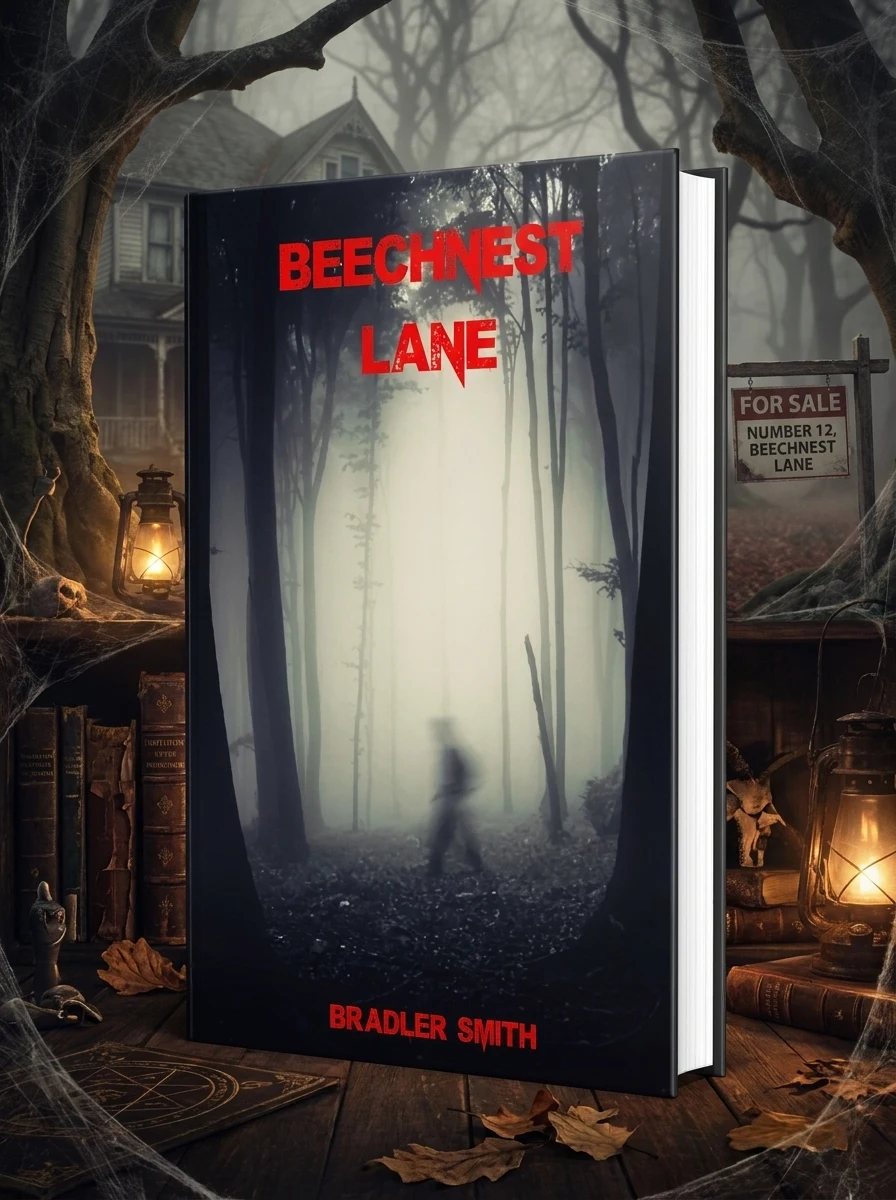
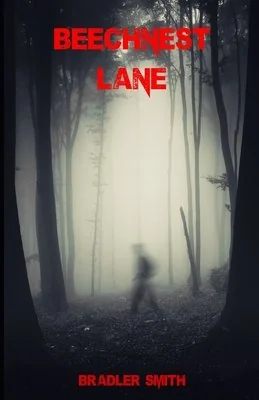
Beechnest Lane
A man buys a cheap Edwardian house in the Chilterns and discovers its dark history.
Larry moves into number twelve Beechnest Lane after leaving North London. The agent failed to mention the property’s unpleasant past. Something in the woods notices his presence immediately. The book explores themes of isolation and hidden histories. Smith writes with a focus on atmospheric dread rather than gore. The narrative structure mirrors the protagonist’s descent from hope to terror. Readers get a clear view of how the house’s secrets affect its occupants. The story relies on the setting to drive the horror forward. There are no supernatural explanations provided, only the consequences of ignoring the past. The tone remains consistent and bleak throughout.
The story is set in the Chilterns, a region in England known for its beech woodlands. It draws on the tradition of rural English gothic horror where isolated homes become sites of supernatural terror. The Edwardian architecture provides a period backdrop for the unfolding events.


📝 Description: Beechnest Lane
💎 Our verdict on Beechnest Lane
📖 Why choose it
Why this book is worth reading
Readers who appreciate atmospheric dread over visceral shock will find significant value in this narrative. Those interested in the intersection of architectural history and psychological decay will appreciate how the Edwardian setting serves as a character itself. It appeals to fans of isolation-themed horror who enjoy exploring the consequences of ignoring past sins. The book offers a consistent, bleak tone for those seeking a grim exploration of hidden histories. It is ideal for audiences tired of urban thrillers, preferring instead the creeping terror of rural England. The focus on the house and its woods provides a tight, immersive experience for readers who like their horror grounded in place and memory rather than action.
⭐ Reader reviews
Reader rating
Brad Smith delivers a tightly focused study in isolation, using the Chilterns setting to amplify psychological dread rather than relying on cheap jumpscares. The narrative structure effectively mirrors Larry’s descent from hope to terror, making the entrapment feel inevitable. While it lacks fast-paced action, its strength lies in the consistent tone and the way the house’s dark legacy manifests through environmental pressure. It suits readers who enjoy slow-burn supernatural horror rooted in gothic traditions. Those seeking urban thrillers or explicit gore may find the pacing too deliberate. However, for fans of atmospheric dread and rural isolation, this book offers a compelling look at how ignoring history leads to tragic consequences.
📖 Read on the blog
🏛 Books from this publisher Independently Published








You might also like
See more →



Have a question about this item?
Ask about the edition, condition, delivery or anything else — we reply by email or phone, usually within a day.
