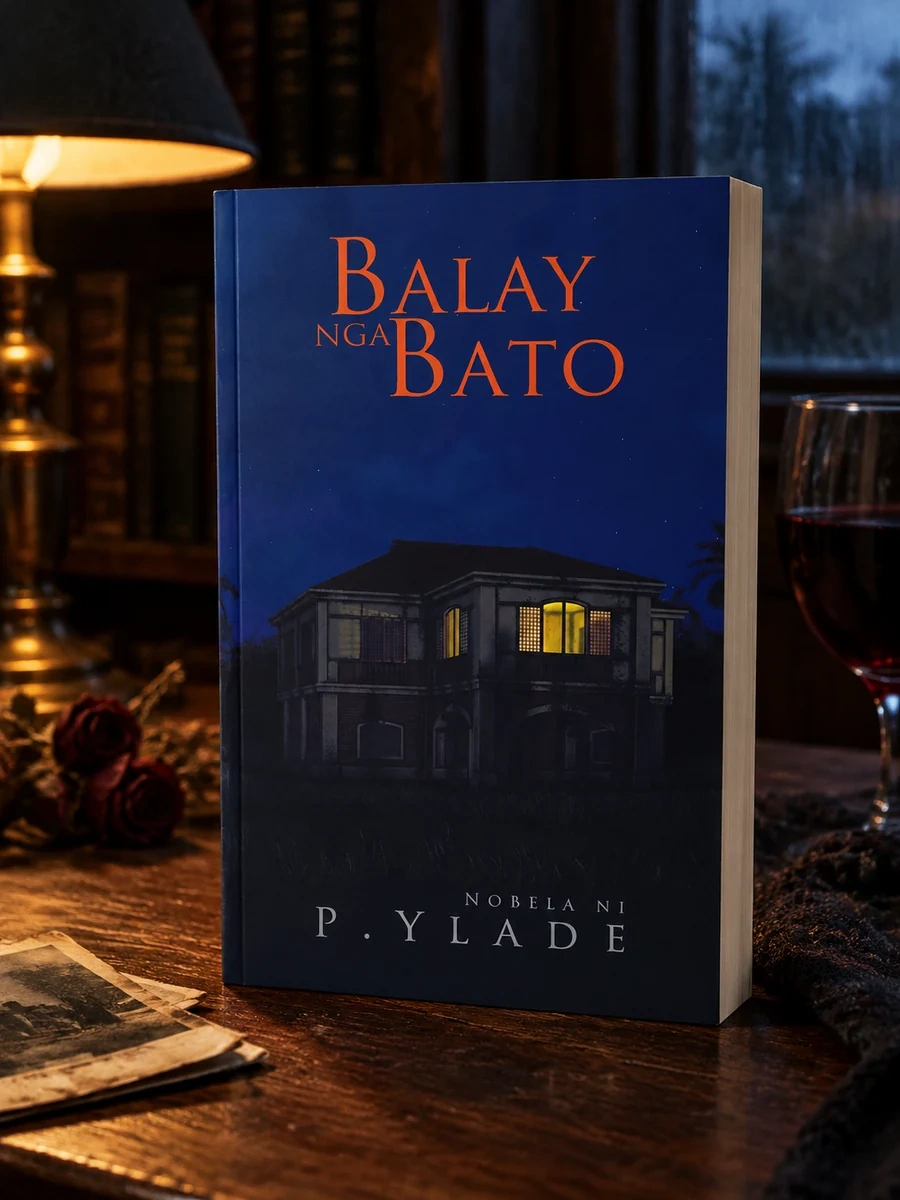
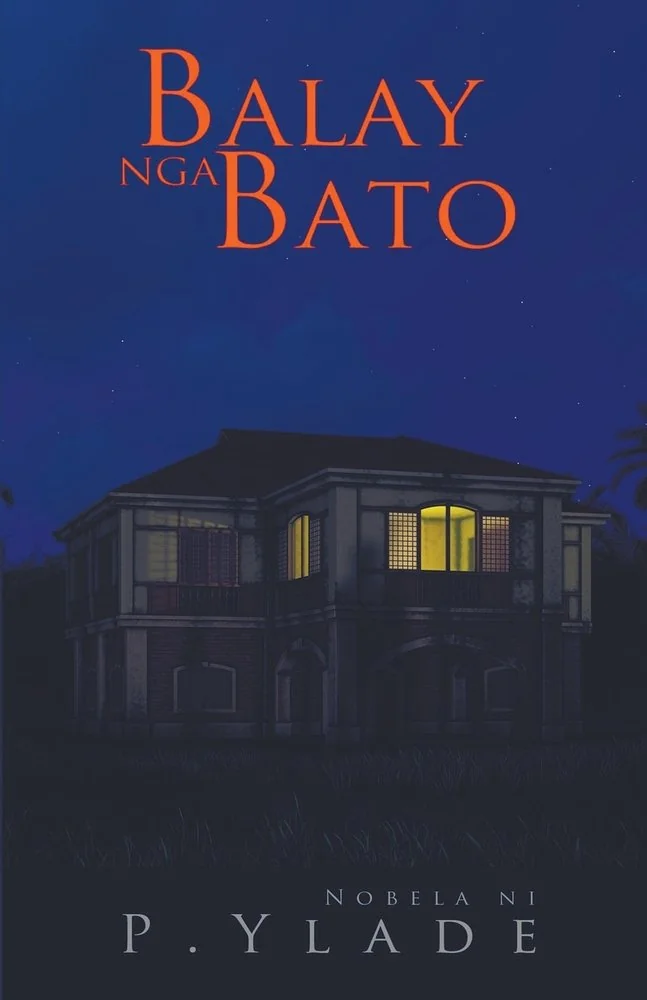
Balay nga Bato
A story about four children confronting local superstitions and ancient spirits in a Philippine barrio.
The narrative focuses on three friends and a new arrival who encounter a vacant house near their school. This location becomes the center of their lives as they face long-dormant truths. The plot weaves together themes of friendship, personal turmoil, and the weight of ancestral history. Ylade presents these elements through the lens of Ilonggo culture, showing how superstitions survive in modern times. The characters must decide if they can overcome a spirit stronger than themselves. The book details their interactions with other children who also encounter these forces. It is a study of how folklore impacts daily life for young people in this specific region.
The book is set in a Philippine barrio and focuses on the Ilonggo people. It examines how traditional beliefs and rituals persist in their modern daily lives. The story draws on local folklore and the specific cultural heritage of this region to depict the supernatural encounters faced by the young protagonists.


📝 Description: Balay nga Bato
💎 Our verdict on Balay nga Bato
📖 Why choose it
Why this book is worth reading
Readers interested in the intersection of cultural heritage and supernatural horror will find this book rewarding. It offers a grounded look at how ancient traditions shape young lives in a rural Philippine setting. Those who appreciate psychological depth over fast-paced action will enjoy the exploration of friendship tested by ancestral spirits. The narrative provides a specific window into Ilonggo culture, making it ideal for those seeking authentic regional horror rather than generic ghost stories. It appeals to readers who value atmospheric storytelling and the weight of history on present-day struggles.
⭐ Reader reviews
Reader rating
P Ylade crafts a compelling narrative that examines the clash between childhood innocence and deep-rooted traditions. The book excels in depicting how old beliefs remain active forces in modern rural life, creating a tense atmosphere without relying on urban clichés. It is best suited for readers aged thirteen and older who prefer atmospheric horror over action. The focus on specific Ilonggo rituals provides a unique cultural lens for understanding supernatural threats. While not for those seeking quick thrills, it offers a rich study of folklore's impact on young protagonists facing shared spiritual dangers in their community.