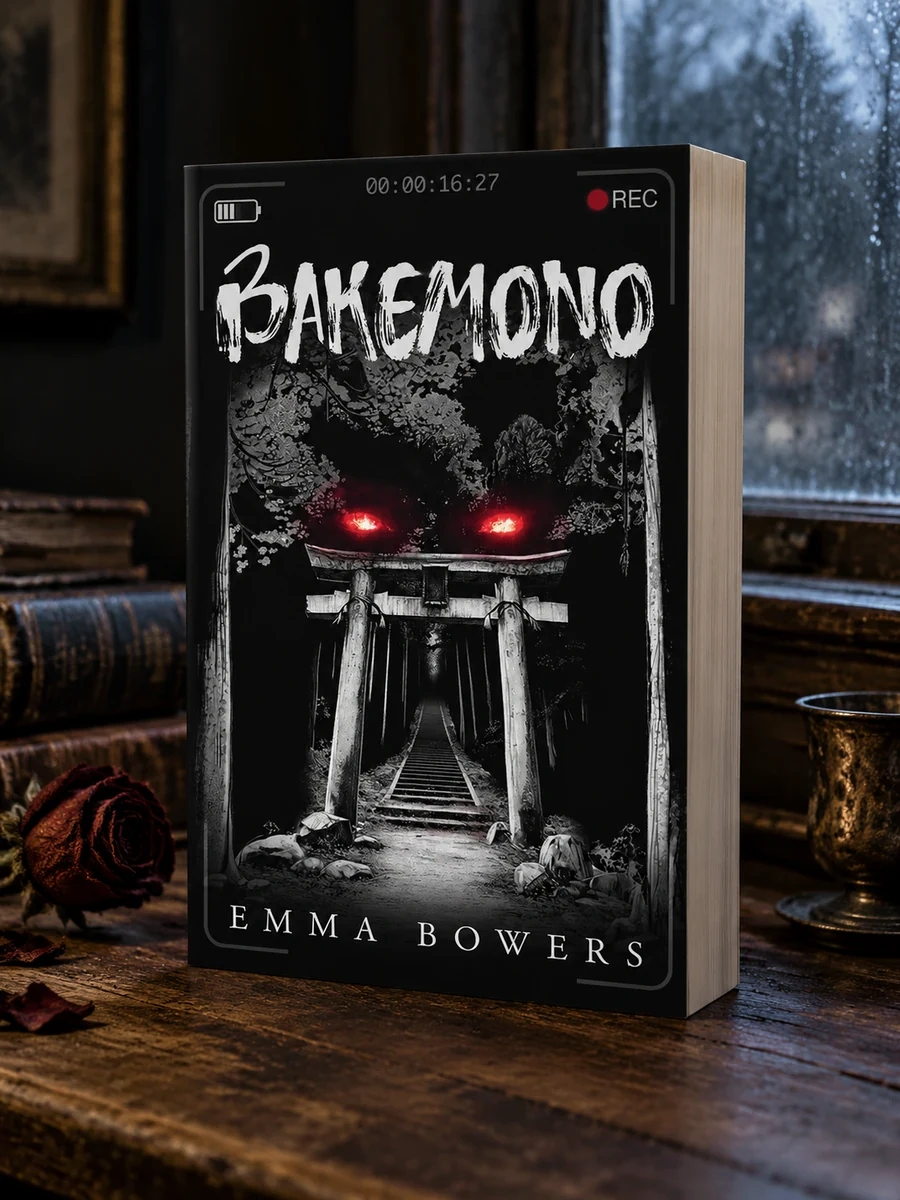
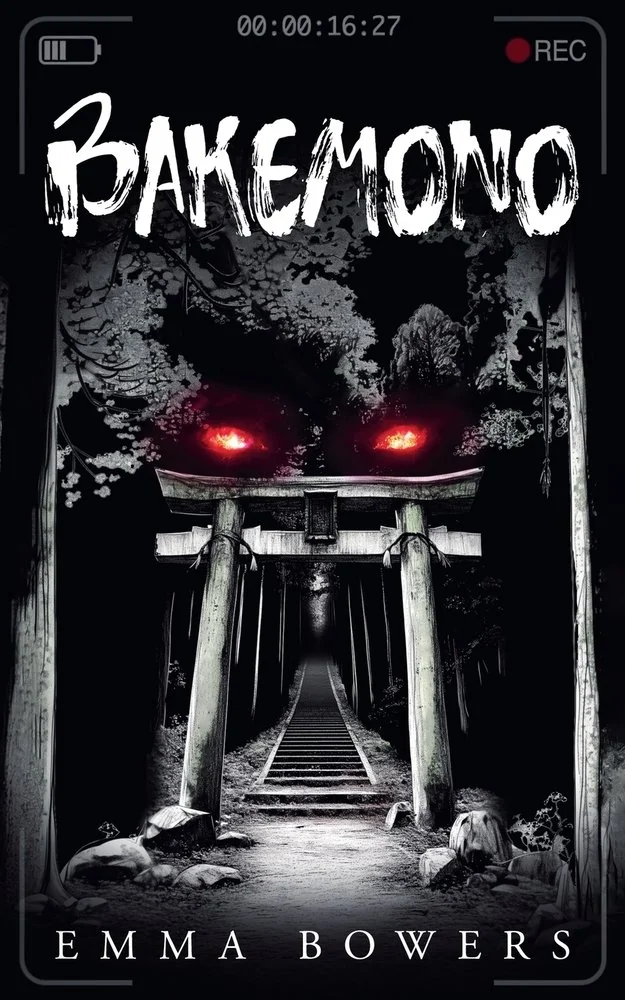
Bakemono
A horror novel about a streamer hunting yokai in Japan.
The plot follows Dante Anderson as he shifts from playing video games to investigating real-world legends. He targets the kuchisake onna in Japan, bringing along friends for the expedition. This move is driven by his need to stay relevant as a content creator with thirty-two million subscribers. Instead of finding only one spirit, the group faces a broader array of yokai. These encounters challenge Dante's established persona of never fleeing from fear. The narrative examines the consequences of treating dangerous folklore as entertainment.
The story draws on Japanese folklore, specifically focusing on yokai and the legend of the kuchisake onna. It is set in the mountains of Japan, blending modern digital culture with traditional supernatural beliefs.


📝 Description: Bakemono
💎 Our verdict on Bakemono
📖 Why choose it
Why this book is worth reading
Readers interested in the collision of modern influencer culture with ancient folklore will find this narrative compelling. It appeals to those who enjoy horror that critiques the commodification of fear and the performative nature of bravery online. Fans of Japanese urban legends, particularly the kuchisake onna and various yokai, will appreciate the exploration of these entities outside their traditional contexts. The book offers a fresh perspective on ghost hunting by grounding it in the high-stakes world of social media relevance, making it ideal for audiences who like horror with a satirical edge regarding digital vanity.
⭐ Reader reviews
Reader rating
Bowers effectively blends the tension of real-world supernatural encounters with the artificial pressures of maintaining an online persona. The protagonist’s journey from virtual gaming to physical danger provides a sharp critique of how modern society treats horror as entertainment rather than genuine threat. The narrative excels in contrasting Dante’s constructed bravery with the visceral reality of facing yokai, creating a compelling psychological layer beneath the scares. This work suits readers who enjoy meta-commentary on content creation alongside traditional monster hunting. It is particularly strong for those fascinated by the erosion of boundaries between online performance and real-life consequences in horror fiction.