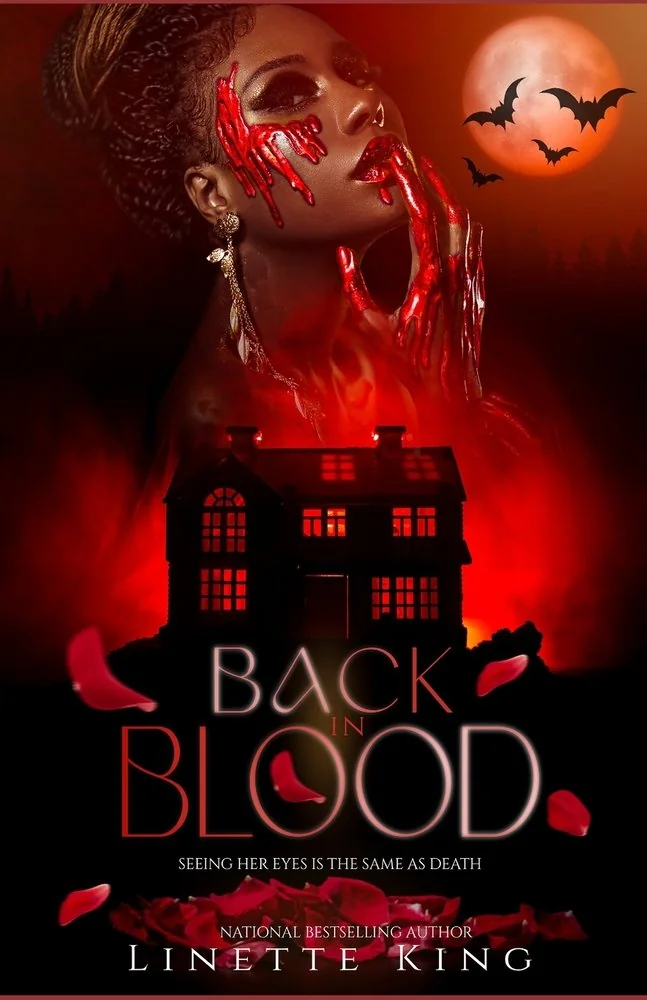
Back in blood
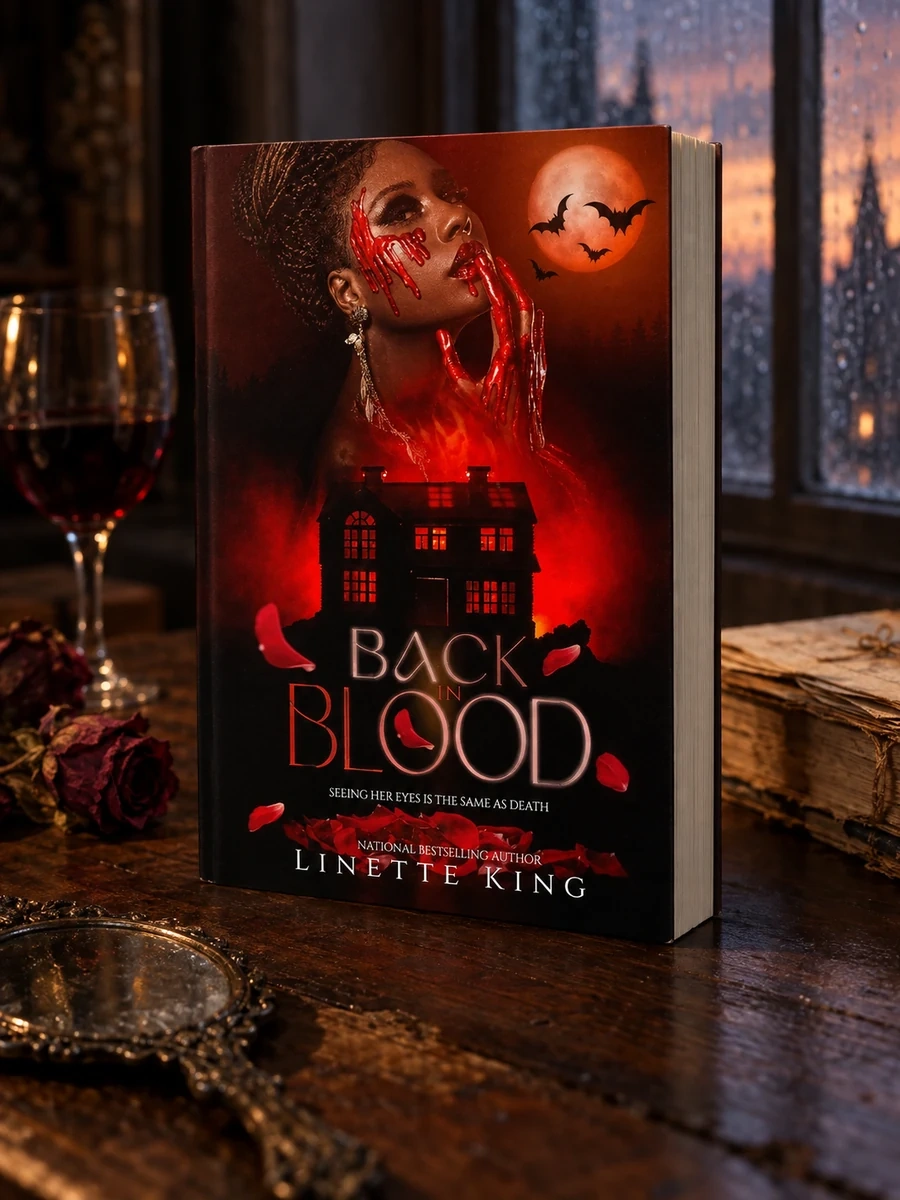
A story about trust broken by a trusted person in Back in blood.
The novel centers on Ambrose, who must determine who she truly is after being betrayed by someone she would have sacrificed her life to protect. King uses this central conflict to explore the duality of character revelation. The betrayer's actions expose their own nature, while Ambrose's reaction defines hers. This dynamic creates a tense atmosphere where the reader watches the unraveling of a relationship built on false security. The story does not rely on external monsters but rather on the internal horror of human deceit. It is a compact examination of loyalty and its consequences, offering a stark look at how trust can be weaponized against the giver.
This title was released in 2023 by an independent publisher. It fits within the broader category of fiction that examines personal relationships and psychological tension, appealing to readers who prefer intimate character studies over large-scale epic narratives.


📝 Description: Back in blood
💎 Our verdict on Back in blood
📖 Why choose it
Why this book is worth reading
Readers seeking a compact, intense examination of interpersonal betrayal will find this title compelling. It appeals to those who prefer character-driven drama over action or supernatural spectacle. The narrative offers a stark look at how trust is weaponized, providing a tense atmosphere where the horror stems from human deceit rather than monsters. Ambrose’s journey forces a confrontation with identity after a devastating revelation, making it relevant for anyone interested in the psychological weight of broken loyalty. It is ideal for readers who enjoy stories that focus on immediate aftermaths and moral stances during crises of faith.
⭐ Reader reviews
Reader rating
Linette King delivers a tightly focused narrative that excels in exploring the duality of character revelation through betrayal. By centering on Ambrose’s reaction to a trusted person’s deceit, the book creates a palpable tension rooted in psychological realism. The strength lies in its refusal to rely on external monsters, instead highlighting the internal horror of broken trust. This approach suits readers who appreciate subtle, atmospheric storytelling and deep dives into human nature. It is less suitable for those seeking extensive world-building or long-term recovery arcs. Instead, it offers a stark, immediate look at identity formation through crisis, making it a poignant choice for fans of psychological drama and gothic introspection.