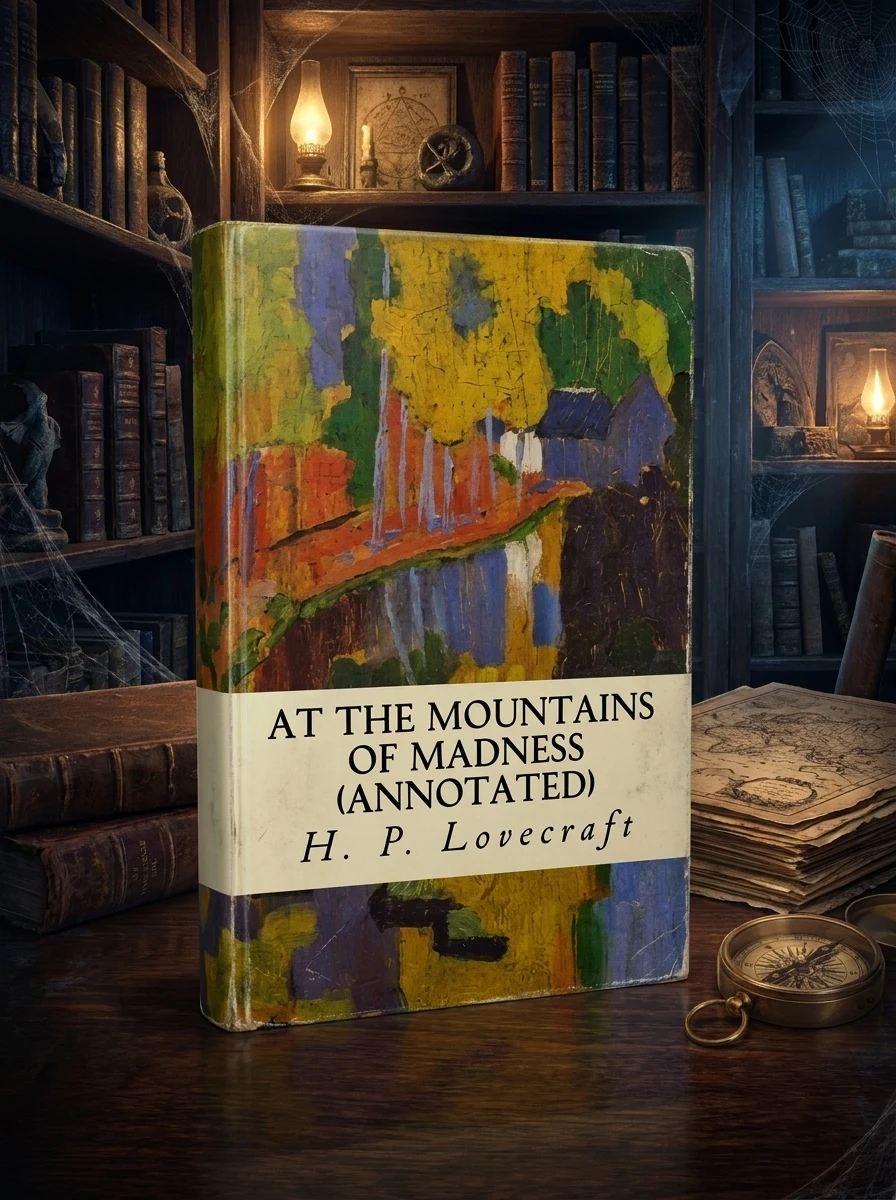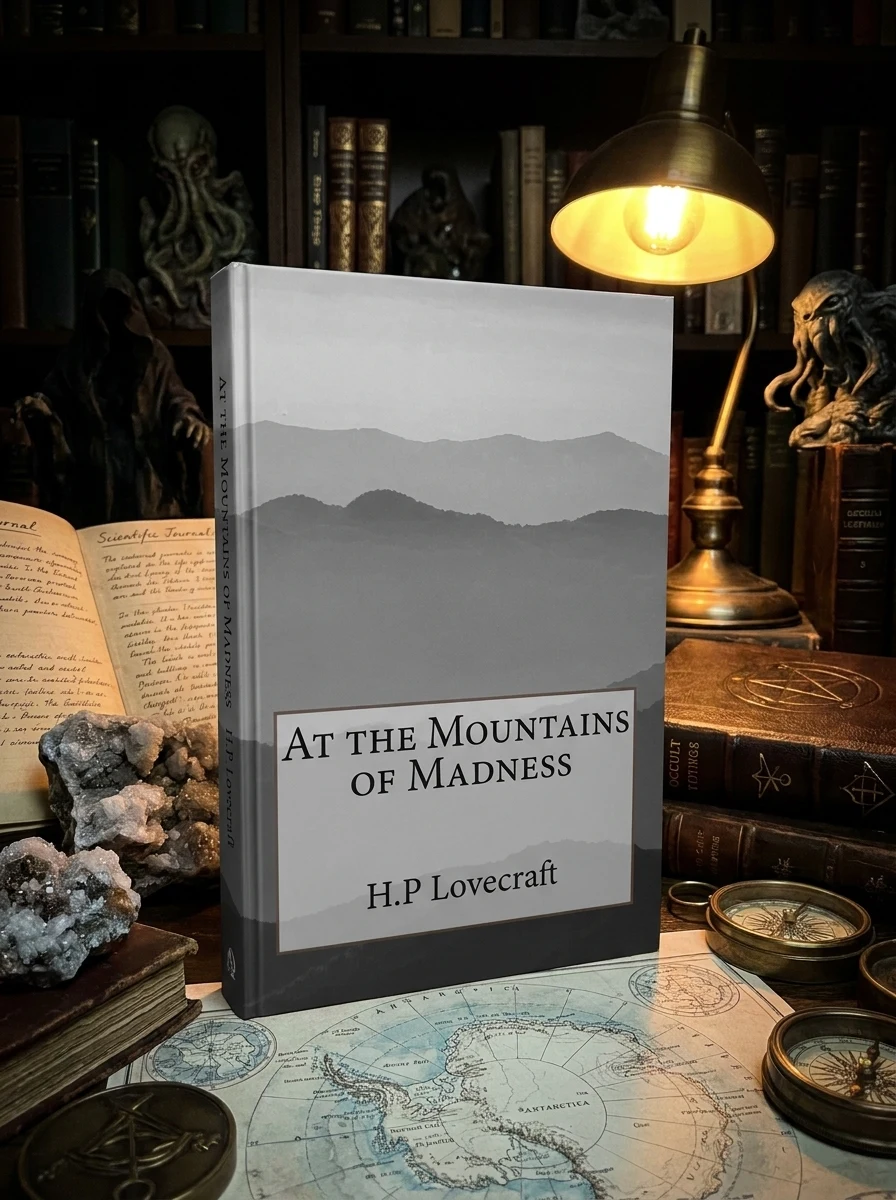
At the Mountains of Madness
A 1931 novella reinterpreting supernatural horror through science fiction.
Lovecraft crafted this text in February and March of 1931. He later serialized it across three issues of Astounding Stories in 1936. The narrative moves away from ghostly hauntings toward scientific inquiry. It depicts a team exploring frozen landscapes for hidden secrets. The story reveals ancient civilizations and alien biology. S. T. Joshi argues this marks a decisive demythology of the Cthulhu Mythos. The work recontextualizes previous supernatural elements as natural phenomena. This approach creates a distinct atmosphere of dread based on knowledge rather than fear of the dark. The novella remains a pivotal piece in Lovecraft’s bibliography. It bridges the gap between gothic tradition and speculative fiction. Readers encounter a world where science uncovers terrifying truths.
Lovecraft wrote this novella in early 1931. It first appeared in Astounding Stories during the spring of 1936. The text represents a shift from supernatural horror to scientific speculation within the Cthulhu Mythos tradition.


📝 Description: At the Mountains of Madness
💎 Our verdict on At the Mountains of Madness
📖 Why choose it
Why this book is worth reading
Readers interested in the evolution of horror fiction will find this work essential for understanding Lovecraft's structural innovations. It appeals to those who prefer dread based on knowledge rather than fear of the dark, offering a cold, analytical view of the unknown. The text suits enthusiasts of early sci-fi horror who enjoy exploring how scientific inquiry uncovers terrifying truths in remote landscapes. Those seeking traditional haunted house tales may find it less appealing, but fans of cosmic and psychological horror will appreciate its unique atmosphere. It provides insight into the era’s fascination with discovery and decay while challenging genre boundaries through its blend of exploration and ancient alien biology.
⭐ Reader reviews
Reader rating
Lovecraft’s narrative achieves a distinct atmosphere of dread by replacing ghostly hauntings with scientific inquiry into frozen landscapes. The work successfully recontextualizes supernatural elements as natural phenomena, creating a unique tension between geological speculation and cosmic terror. It stands as a pivotal piece that bridges Gothic tradition and speculative fiction, offering readers a stark shift in literary approach. This edition serves those interested in the development of weird fiction and the demythologization of mythos lore. While not suitable for fans of traditional ghost stories, it is highly recommended for readers who appreciate analytical prose and the exploration of ancient ruins and non-human entities within a framework of cold, scientific discovery.