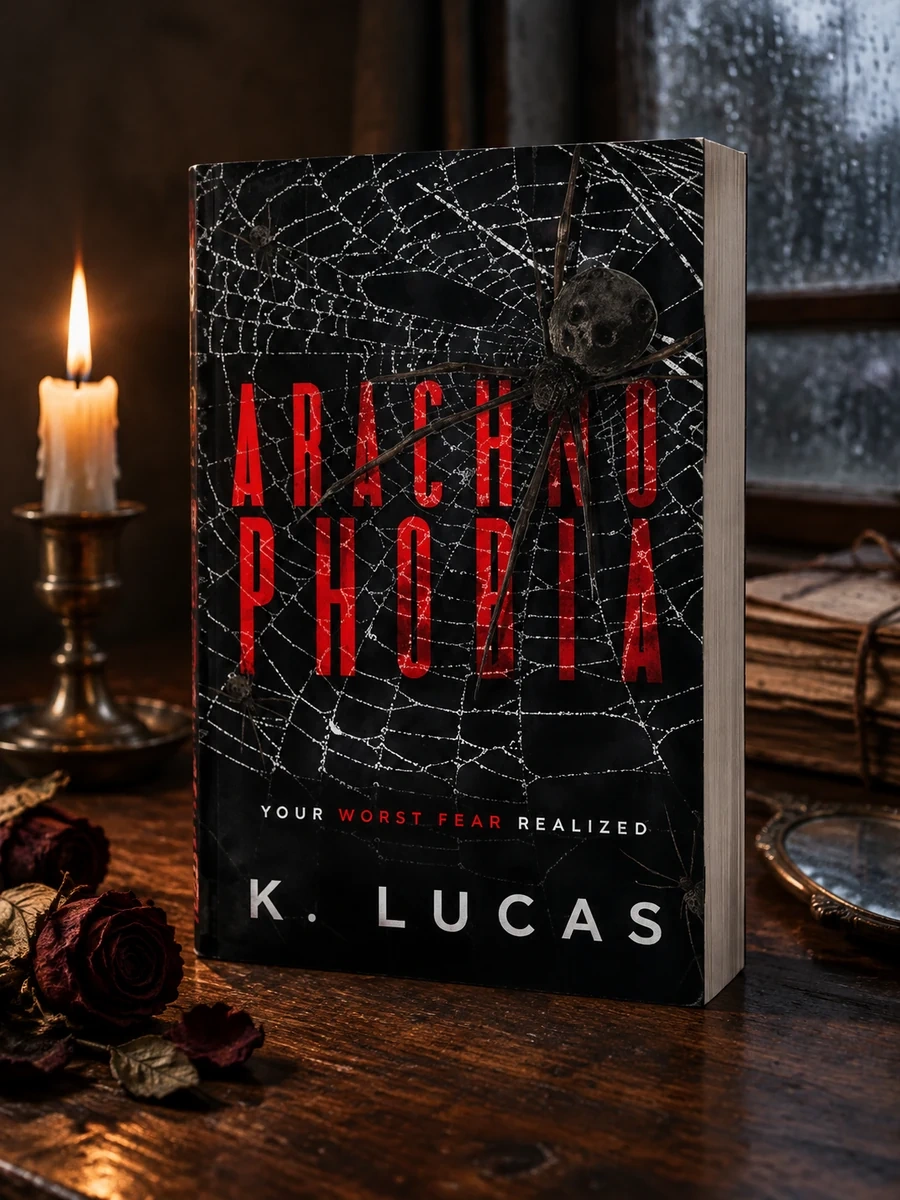

Arachnophobia
A survivor warns her town about spiders consuming humans after a cave quake.
This narrative examines the breakdown of social order when a community faces an overwhelming biological threat. Lucas structures the plot around the failure of rational thought in the face of the unnatural. The protagonist’s isolation highlights how quickly trust erodes when reality is denied. The text does not offer scientific explanations for the spiders’ behavior but focuses on the immediate physical danger. Readers interested in the mechanics of panic and the erosion of safety will find the progression logical. The story avoids supernatural elements, keeping the horror grounded in natural predation gone wrong.
Set in a rural American town, this 2022 release taps into long-standing cultural anxieties about nature invading domestic spaces. It reflects the modern fear of unseen biological threats overwhelming urban and suburban defenses.


📝 Description: Arachnophobia
💎 Our verdict on Arachnophobia
📖 Why choose it
Why this book is worth reading
Readers who prioritize visceral tension and the mechanics of panic over complex character studies will find this narrative rewarding. It offers a direct exploration of communal collapse under biological pressure, appealing to those who enjoy seeing social order disintegrate when faced with an overwhelming, unnatural threat. The book is ideal for fans of creature features who appreciate the psychological dread of an invisible enemy and the physical terror of a siege. It provides a grounded, non-supernatural horror experience that focuses on immediate danger rather than abstract mystery, making it a satisfying choice for those seeking a logical progression of fear and survival instincts.
⭐ Reader reviews
Reader rating
Lucas delivers a tightly wound tale of survival that effectively captures the erosion of trust when reality is denied. The narrative excels in depicting the breakdown of social order through the lens of natural predation gone wrong, avoiding supernatural crutches to maintain a grounded sense of dread. By focusing on the immediate physical danger and the failure of rational thought, the text creates a palpable atmosphere of siege. It suits readers interested in the progression of panic and the isolation of the protagonist. While those preferring slow-burn gothic atmospheres might find it too direct, fans of creature features will appreciate its visceral look at communal collapse and the terrifying intimacy of being hunted by numerous small predators.