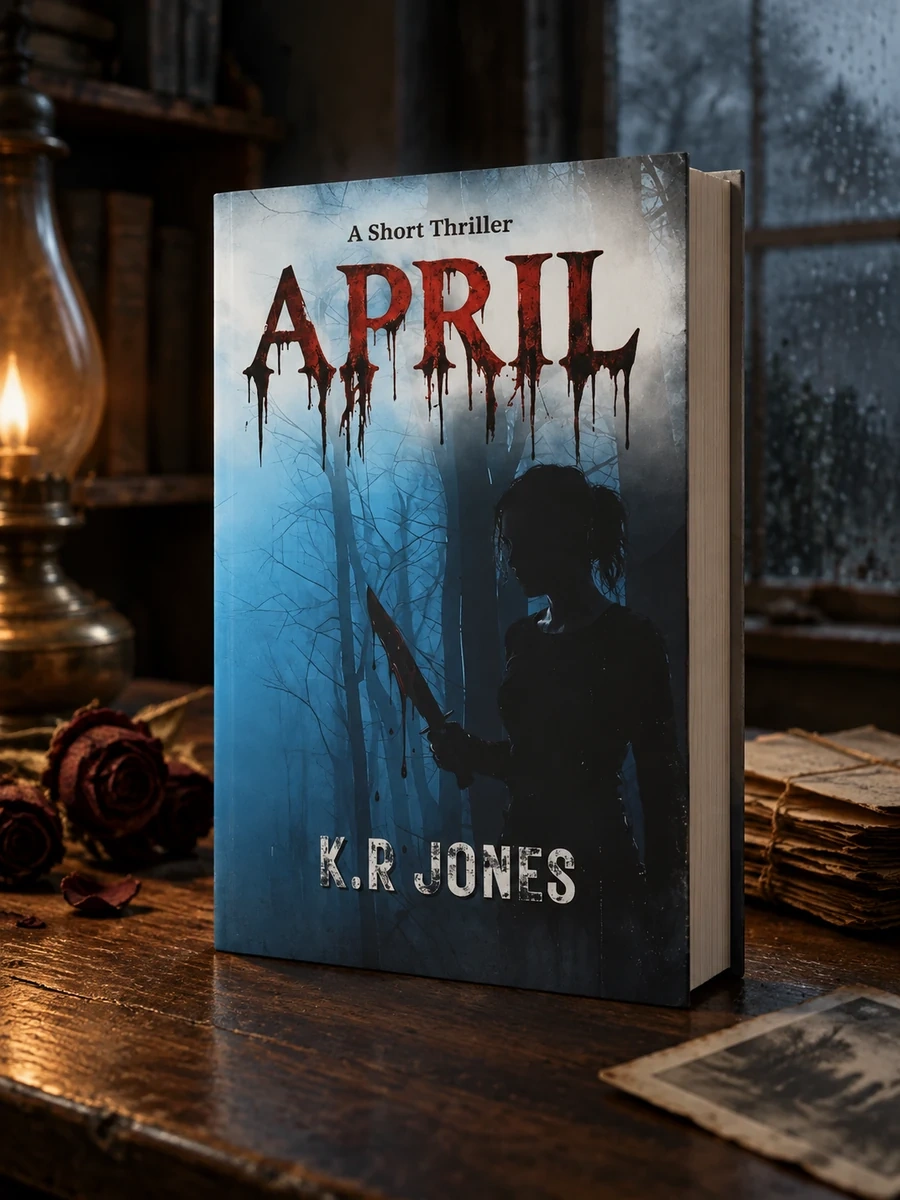
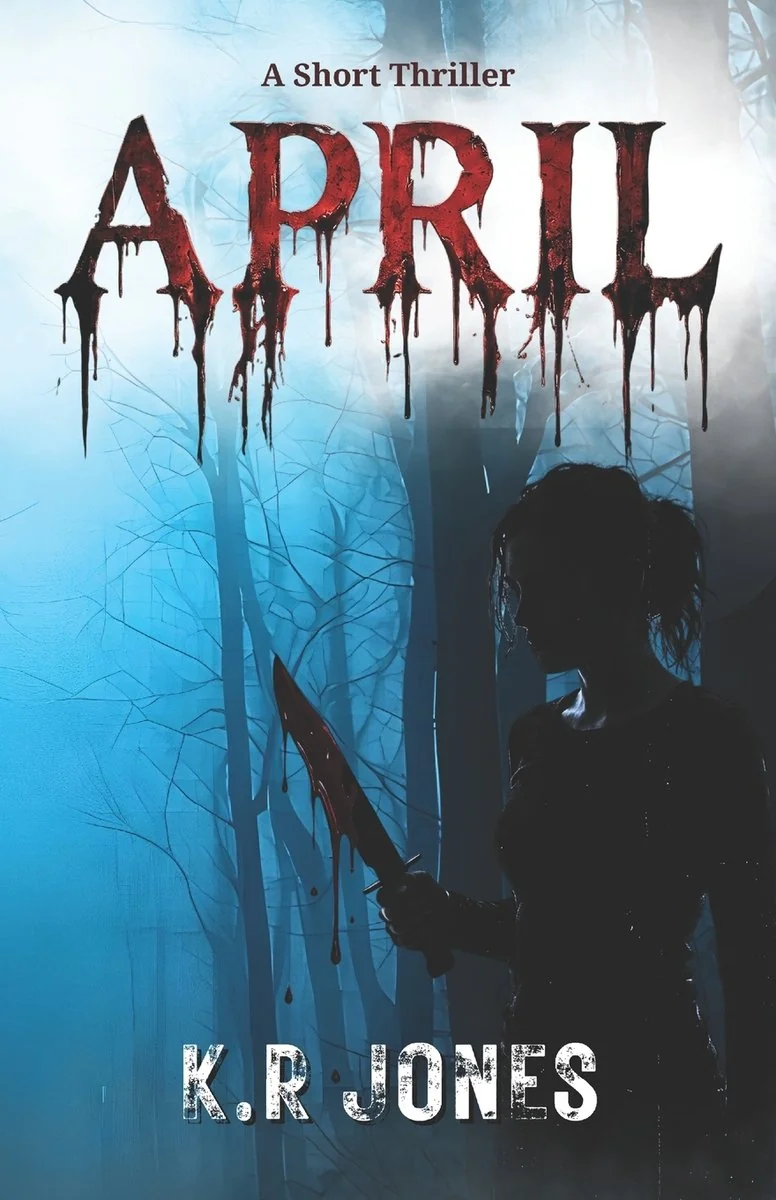
April: A Short Thriller
A short thriller about a village cursed by an annual April first disappearance.
This narrative focuses on the psychological burden carried by April Hale in Eldermoor. The text explores how communal fear can turn into collective accusation. When the storm returns, the villagers look for a scapegoat. They find one in April due to physical evidence linking her to past tragedies. Jones writes about the erosion of trust and the weight of inherited trauma. The story does not confirm the supernatural origin of the events. Instead, it highlights how panic distorts reality. The reader witnesses the slow unraveling of social bonds as suspicion takes hold. The ending leaves the nature of the threat ambiguous. It forces the audience to question whether the monster is external or a product of human fear. This approach creates a lingering sense of unease rather than providing clear resolution.
The story is set in the fictional village of Eldermoor. It draws on American rural horror traditions and gothic fiction conventions. The narrative utilizes the date of April first to create a sense of unnatural disruption. It reflects themes of small-town isolation and the fear of the unknown.


📝 Description: April: A Short Thriller
💎 Our verdict on April: A Short Thriller
📖 Why choose it
Why this book is worth reading
Readers who appreciate atmospheric suspense and character-driven mysteries will find this narrative engaging, particularly those drawn to the psychological burden of inherited trauma and communal accusation. The book offers a subtle exploration of how panic distorts reality and turns neighbors into accusers, providing a lingering sense of unease rather than clear resolution. It is ideal for audiences who prefer ambiguity over explicit supernatural explanations or fast-paced action. Those interested in the intersection of rural horror tropes and psychological dread will value the focus on memory, isolation, and the slow unraveling of trust within a tight-knit community facing an annual crisis.
⭐ Reader reviews
Reader rating
This work excels at constructing a mood of pervasive dread through the lens of communal fear rather than graphic violence. It effectively utilizes gothic tropes of rural horror to examine how suspicion can consume a village, making the social dynamics as terrifying as the unseen threat. The ambiguity of the ending forces readers to question whether the monster is external or a product of human anxiety, creating a lasting impression. While it may not satisfy those seeking explicit supernatural answers or rapid pacing, it rewards patience with a nuanced look at psychological erosion. It suits readers who enjoy atmospheric tension and character studies over traditional jump scares.
📖 Read on the blog
🏛 Books from this publisher Independently Published








You might also like
See more →


Have a question about this item?
Ask about the edition, condition, delivery or anything else — we reply by email or phone, usually within a day.
