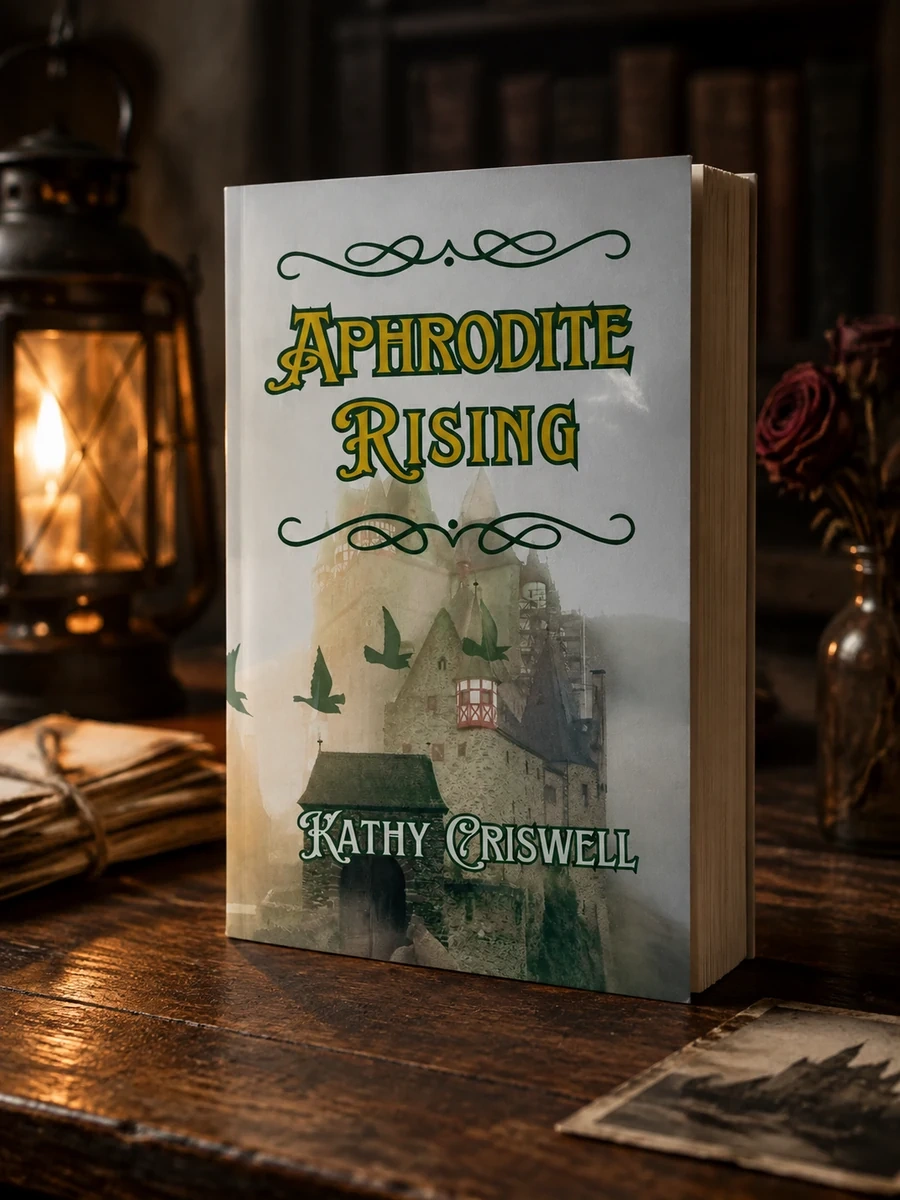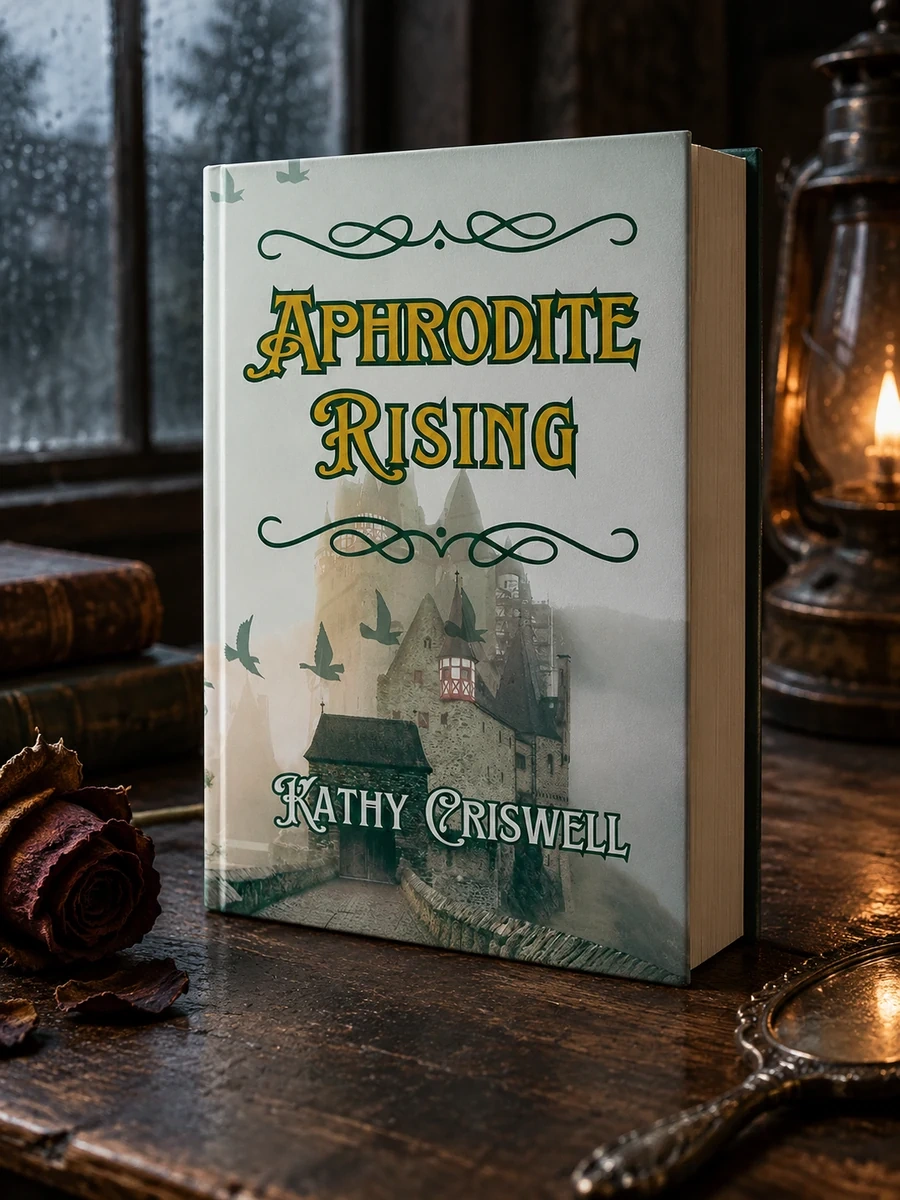
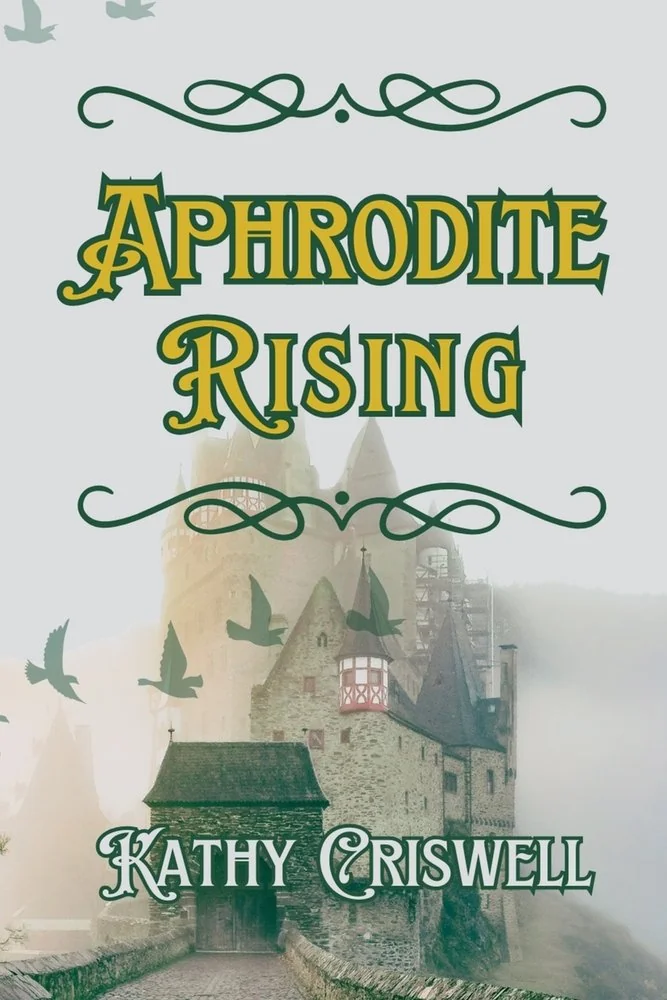
Aphrodite Rising
A reclusive woman seeks shelter at a mysterious castle after her village rejects her beliefs.
The narrative follows Fauna, who prefers books to people. Her refusal to conform leads to exile. She finds temporary safety near a strange fortress. The plot focuses on her internal struggle to trust others again. Criswell uses this premise to examine the limits of literary knowledge in practical survival situations. The story does not offer easy answers about human nature. Instead, it presents a stark view of isolation and the necessity of connection for survival. The setting provides a backdrop for psychological tension rather than external horror elements.
Published in 2025 by Kathy Criswell, this work sits within the contemporary horror and gothic fiction genres. It addresses modern anxieties about community rejection and the value of intellectual life versus social conformity.


📝 Description: Aphrodite Rising
💎 Our verdict on Aphrodite Rising
📖 Why choose it
Why this book is worth reading
Readers interested in character-driven horror will find significant value in this exploration of isolation and the fragility of social bonds. The narrative offers a stark view on the necessity of connection for survival, making it ideal for those who prefer psychological tension over external threats. It appeals to individuals examining the limits of literary knowledge in practical survival situations. Those seeking to understand the consequences of nonconformity and the difficulty of rebuilding trust will appreciate the grounded approach to displacement. However, readers desiring fast-paced action or clear resolutions may find the focus on internal conflict less appealing, as the story prioritizes the psychological weight of isolation over plot-driven spectacle.
⭐ Reader reviews
Reader rating
Criswell structures the plot around Fauna’s forced migration from her village to the castle grounds, creating a narrative grounded in immediate experiences rather than supernatural elements. The text effectively highlights the difficulty of rebuilding trust when one prefers books to people. This approach suits readers who enjoy gothic traditions framing psychological struggle within mysterious settings. While it lacks easy answers about human nature, it presents a compelling examination of intellectual preparation versus lived experience. The absence of external horror allows for a deeper dive into the protagonist's internal state. It is best suited for those who appreciate slow-burn tension and complex interpersonal dynamics over traditional horror tropes or action-heavy sequences.