
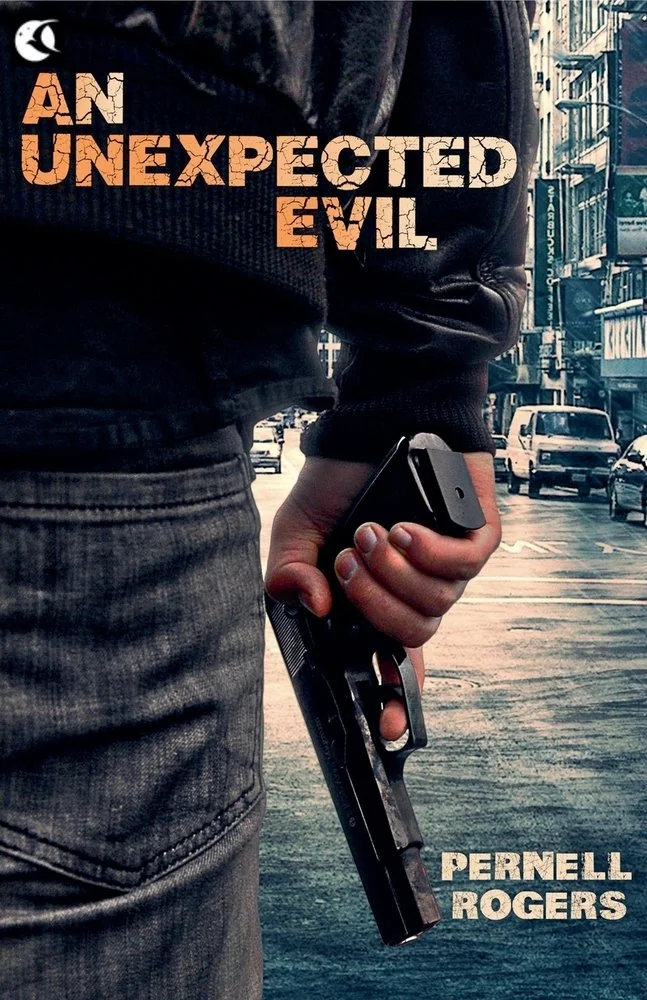
An Unexpected Evil
A Brooklyn man’s recovery from violence unravels into a supernatural mystery involving local murders.
Pernell Rogers presents a narrative where physical healing fails to stop mental decay. Billy Capello suffers from memory loss and terrifying dreams after his beating. Constance Belluci notices these changes and seeks help from Detective Ryan Winters. The detective is already tracking brutal killings in the area. Their paths cross as they investigate whether Billy’s condition relates to the crimes. The plot moves from personal recovery to a broader supernatural threat. Rogers uses the setting of rain-slicked streets and hospital rooms to build atmosphere. The story examines how trauma can open doors to darker forces. It combines elements of crime fiction with horror tropes. The resolution involves a confrontation that defies normal explanation.
Set in Brooklyn, the story reflects American urban horror traditions. It uses the city’s gritty atmosphere to ground supernatural events. The narrative draws on gothic fiction by placing evil in familiar domestic spaces. Published in 2018, it continues the trend of psychological terror in contemporary settings.


📝 Description: An Unexpected Evil
💎 Our verdict on An Unexpected Evil
📖 Why choose it
Why this book is worth reading
Readers who appreciate character-driven mysteries infused with eerie, supernatural undertones will find this narrative engaging and thought-provoking. The book is particularly suited for those interested in the complex interplay between personal guilt and external evil forces. It offers a deep dive into how trauma can serve as a conduit for darker phenomena, appealing to enthusiasts of psychological horror who value emotional depth over mere spectacle. Those seeking fast-paced action without substantive character development may find it less satisfying, but fans of atmospheric tales that examine mental decay and urban isolation will gain significant reward from its tense exploration of the unknown.
⭐ Reader reviews
Reader rating
Rogers effectively constructs a tale where physical healing fails to arrest mental decay, blending crime fiction with classic horror tropes. The narrative excels in building atmosphere through rain-slicked streets and clinical hospital rooms, creating a sense of pervasive dread. By juxtaposing Billy’s internal turmoil with Detective Winters’ external investigation, the story maintains a compelling tension between psychological instability and supernatural threat. This approach suits readers who enjoy slow-burn mysteries where the horror stems from trauma and isolation rather than jump scares. The lack of easy answers provides a realistic, unsettling conclusion that lingers with the reader, fulfilling the promise of a true gothic experience.
You might also like
See more →







Have a question about this item?
Ask about the edition, condition, delivery or anything else — we reply by email or phone, usually within a day.
