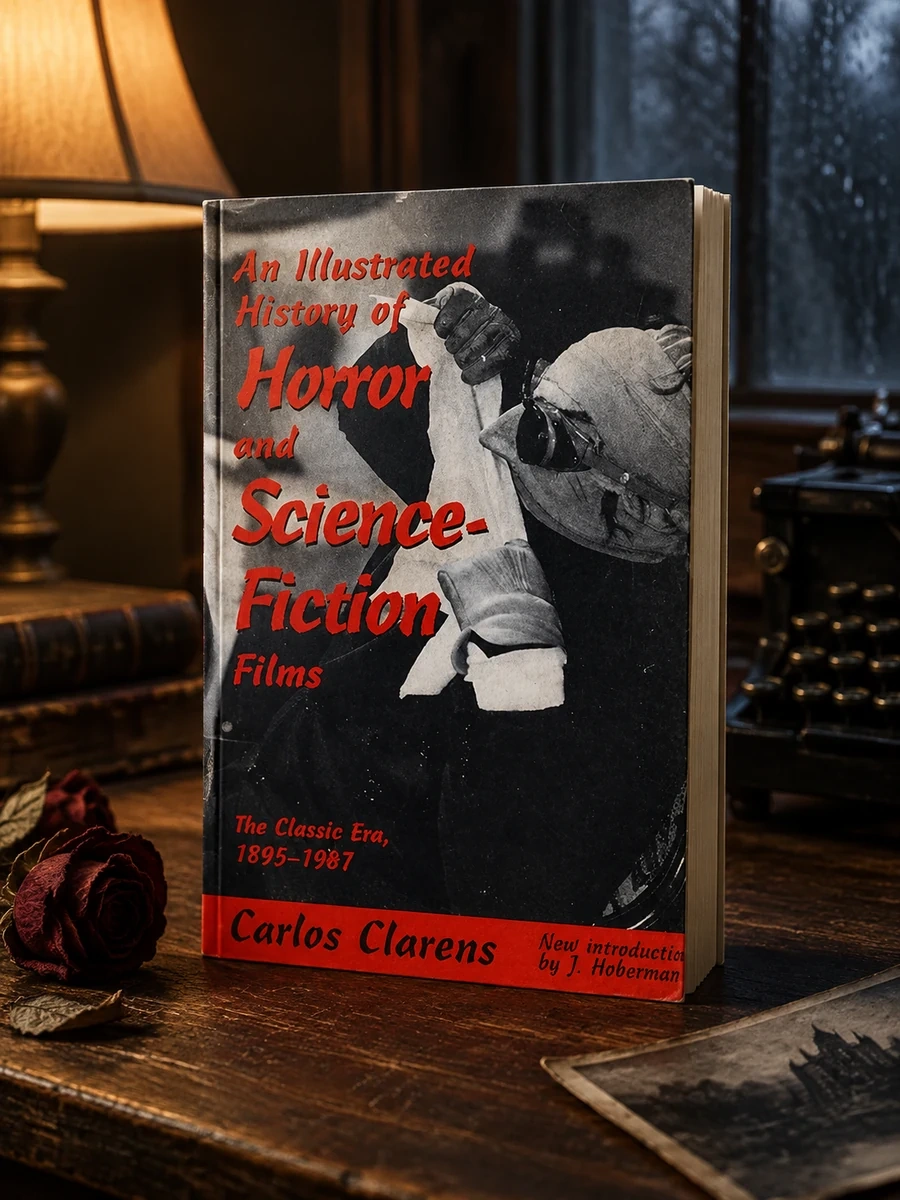
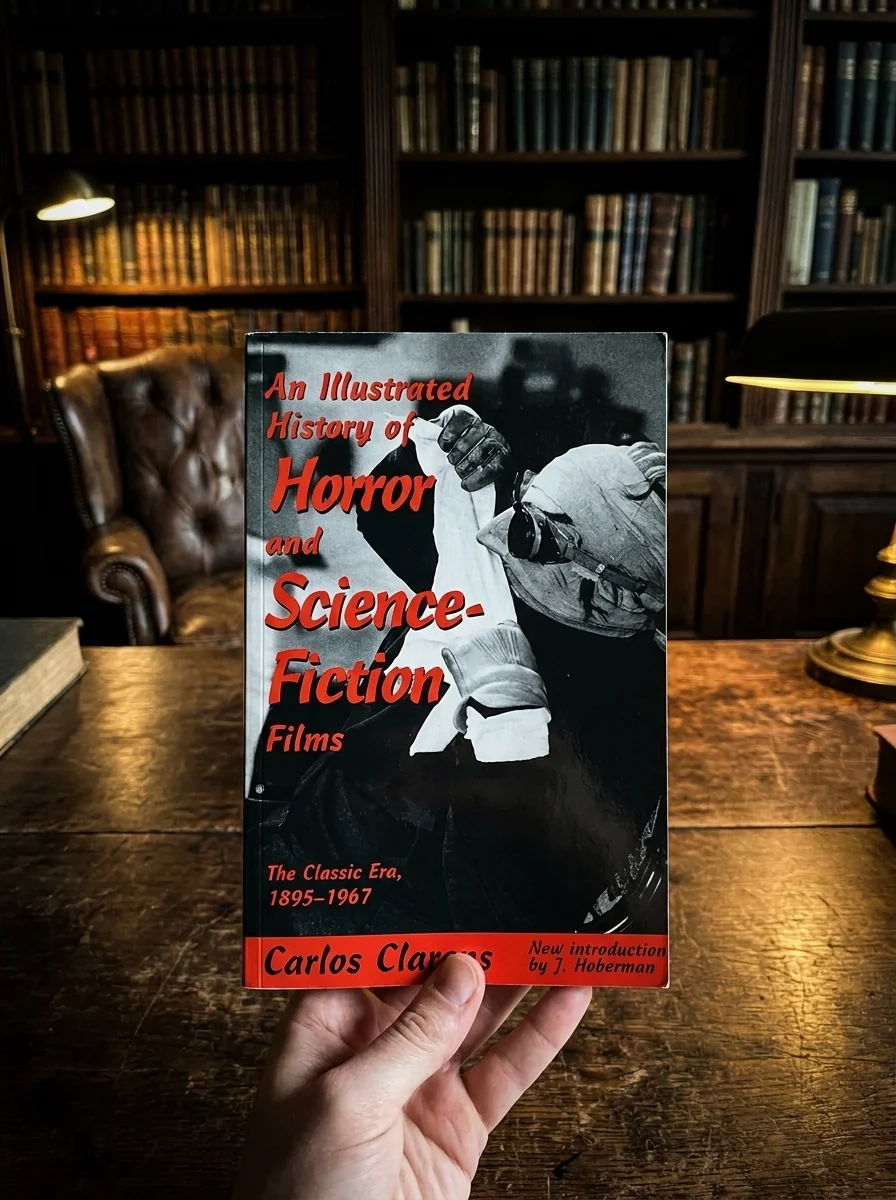

An Illustrated History of Horror and Science-Fiction Films
A critical study of classic horror and sci-fi films by Carlos Clarens.
Clarens dissects the artistic and cultural layers of early genre cinema. He moves beyond plot summaries to examine directorial choices and thematic elements. The inclusion of J. Hoberman’s introduction adds a contemporary critical perspective to the historical analysis. The extensive filmography allows readers to verify credits for hundreds of titles. This approach clarifies why these films resonated with audiences during their original release periods.
Published by Da Capo Press in 1997, this book sits within a lineage of film criticism that includes Clarens’ previous works on crime movies and George Cukor. It complements other titles like Midnight Movies, reflecting a mid-nineties interest in reclaiming and analyzing genre cinema history.


📝 Description: An Illustrated History of Horror and Science-Fiction Films
💎 Our verdict on An Illustrated History of Horror and Science-Fiction Films
📖 Why choose it
Why this book is worth reading
This book is essential for readers deeply interested in the historical roots and artistic evolution of horror and science-fiction cinema. It appeals to those who seek more than surface-level plot summaries, offering instead a rigorous examination of directorial choices, thematic depth, and cultural impact. Readers will gain insight into how classic films resonated with contemporary audiences through close readings of key works like King Kong and Frankenstein. The inclusion of J. Hoberman’s introduction provides a necessary critical framework for understanding these texts today. It is particularly valuable for film historians and enthusiasts who want to verify credits via the extensive filmography while appreciating the erotic undertones and stylistic nuances that define the genre's golden age.
⭐ Reader reviews
Reader rating
Clarens succeeds in elevating classic horror and sci-fi films from mere entertainment to subjects of serious critical inquiry. By dissecting directorial approaches and thematic elements, he reveals the deeper meanings behind popular genres. The analysis of Val Lewton’s style and Lon Chaney’s genius highlights the artistic sophistication often overlooked in genre studies. Hoberman’s introduction anchors these historical insights with contemporary relevance. While it lacks modern reviews or technical guides, its focus on cultural impact and film history makes it a standout resource. It suits scholars and dedicated fans who appreciate detailed, contextualized criticism over casual viewing experiences.
📖 Read on the blog
🏛 Books from this publisher Da Capo Press


You might also like
See more →





Have a question about this item?
Ask about the edition, condition, delivery or anything else — we reply by email or phone, usually within a day.
