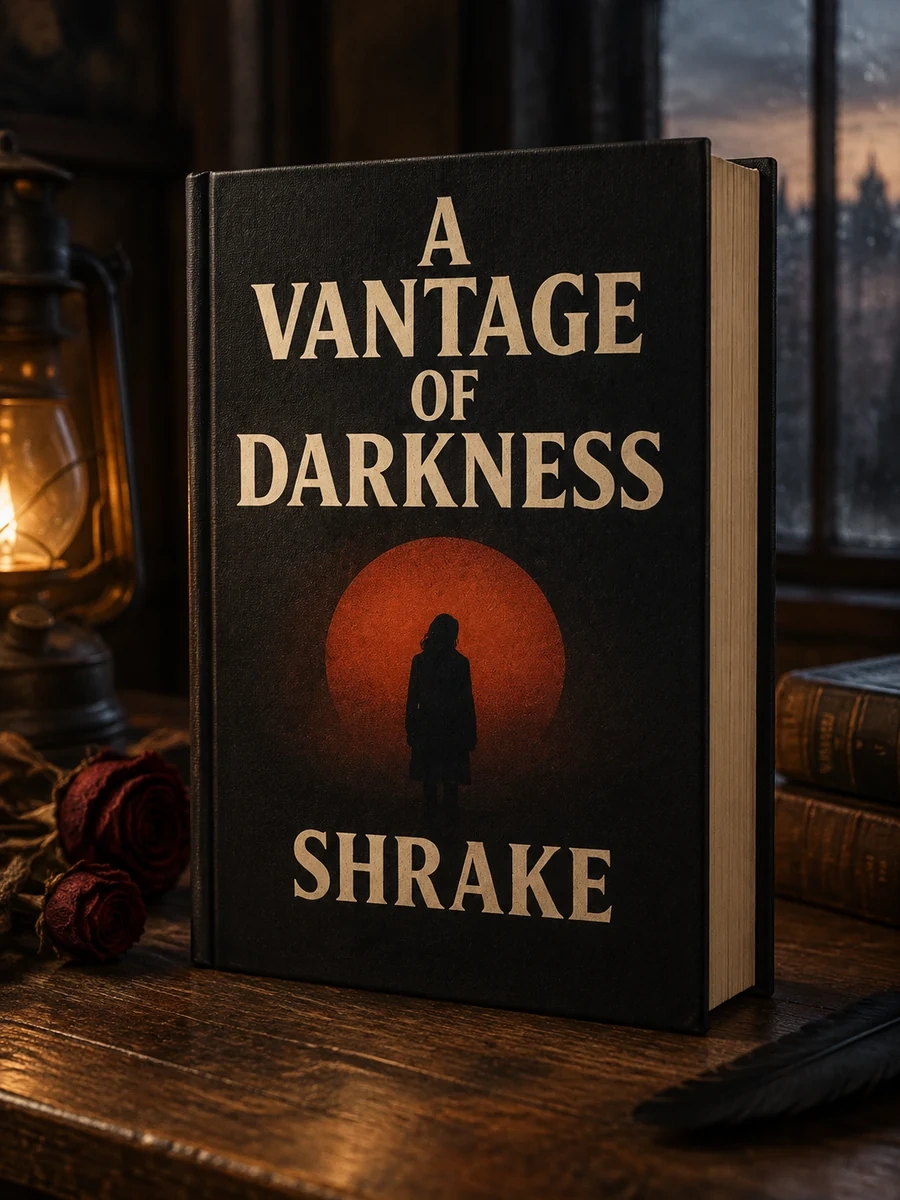

American Petrichor
A mysterious rider brings doom to a Wyoming town seeking divine salvation
Shrake examines the collapse of order in Bastion, Wyoming, through the arrival of a stranger bearing religious symbols. The plot centers on the bartender, sheriff, and deputy as they witness the town succumb to mass hysteria. The narrative structure mirrors the historical Munster Rebellion, showing how institutional failure enables evil. The prose style prioritizes atmospheric tension over action sequences. This approach creates a slow-burning dread that permeates every scene. The book avoids traditional horror tropes in favor of psychological and social decay.
The novel references Germany’s 1534 Munster Rebellion to contextualize its themes of religious extremism and social collapse. It is set in the American frontier town of Bastion, Wyoming, blending historical European events with Western genre conventions to critique blind faith.


📝 Description: American Petrichor
💎 Our verdict on American Petrichor
📖 Why choose it
Why this book is worth reading
Readers seeking a slow-burning dread that permeates every scene will find this book rewarding. It appeals to those who appreciate atmospheric tension over traditional horror tropes, offering a stark examination of social decay and psychological collapse. Fans of dark fantasy and gothic fiction will engage with the narrative’s focus on how institutional failure enables evil. The story provides a tense, historical-adjacent perspective on divine authority and ambition, suitable for audiences who enjoy complex character dynamics involving the sheriff, deputy, and bartender as they confront insidious forces in a frontier setting.
⭐ Reader reviews
Reader rating
Shrake crafts an evocative narrative that tracks Bastion’s descent into madness with focused precision. By mirroring the Munster Rebellion, the author explores how ambition and blind faith allow ancient evil to fester within a community desperate for meaning. The prose prioritizes atmospheric tension, creating a sense of doom that feels tangible rather than sensational. This approach suits readers who prefer psychological depth and social critique over jump scares or heroic resolutions. The book effectively examines the collapse of order through the eyes of key townspeople, offering a chilling study of mass hysteria. It is best appreciated by those who value literary horror that challenges perceptions of providence and malevolence.