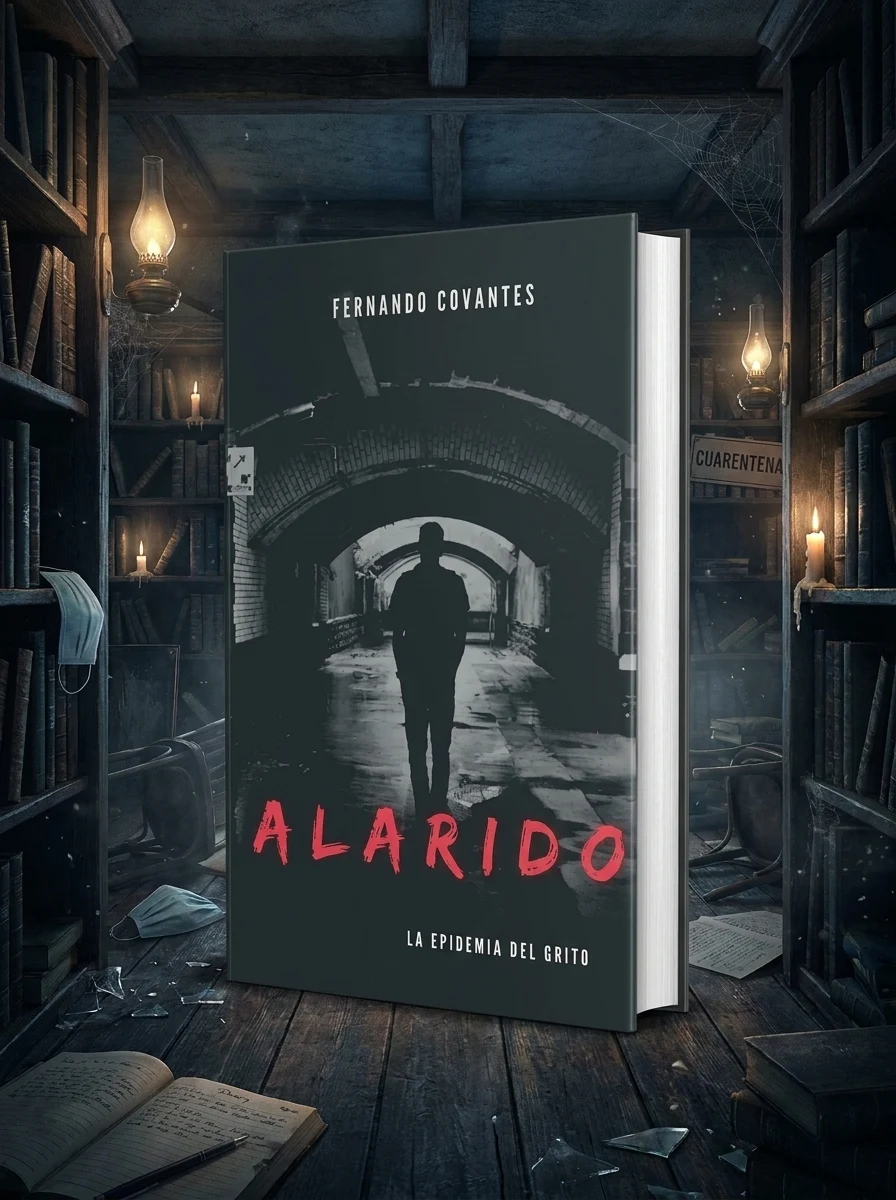
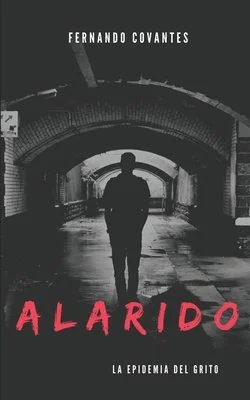
Alarido: La epidemia del grito
A diary documenting a city's collapse under a screaming plague.
The story tracks Arturo Mondragon as he records his life during a crisis. After a two-month quarantine ends, citizens expect a return to normalcy. Instead, a new disease appears with a unique symptom of trembling and screaming. The narrative focuses on the failure of routine and the spread of terror. It is not a tale of heroes fighting a villain but a record of helplessness. The structure mirrors the disorientation of the characters. Readers will find the perspective intimate and unsettling.
Published in 2020, this work reflects anxieties about recent global health crises. It sits within the tradition of modern supernatural fiction that uses disease as a metaphor for societal fear. The independent publication highlights its niche appeal to horror enthusiasts.


📝 Description: Alarido: La epidemia del grito
💎 Our verdict on Alarido: La epidemia del grito
📖 Why choose it
Why this book is worth reading
Readers seeking an unsettling exploration of psychological terror and societal fragility will find this narrative compelling. It appeals to those interested in contemporary horror that prioritizes the disorientation of daily life over traditional monster lore. The book is ideal for individuals who appreciate intimate, first-person accounts of helplessness during a crisis. Those who enjoy documenting the collapse of social order through personal records rather than heroic interventions will gain significantly from this text. It offers a raw look at isolation and panic without offering easy resolutions or comforting conclusions.
⭐ Reader reviews
Reader rating
Covantes delivers a potent study of societal breakdown through the intimate lens of Arturo Mondragon’s diary. The narrative effectively captures the disorientation of a world succumbing to a unique, terrifying affliction characterized by trembling and screaming. By focusing on the failure of routine rather than external exposition, the text creates an immediate sense of dread. This approach suits readers who prefer psychological horror over traditional gothic or historical settings. The structure mirrors the protagonist's confusion, making the descent into panic feel visceral and real. It is a stark documentation of helplessness that avoids heroic tropes, offering instead a chilling look at how quickly civilization can unravel when faced with an incomprehensible threat.
📖 Read on the blog
🏛 Books from this publisher Independently Published








You might also like
See more →

Have a question about this item?
Ask about the edition, condition, delivery or anything else — we reply by email or phone, usually within a day.
