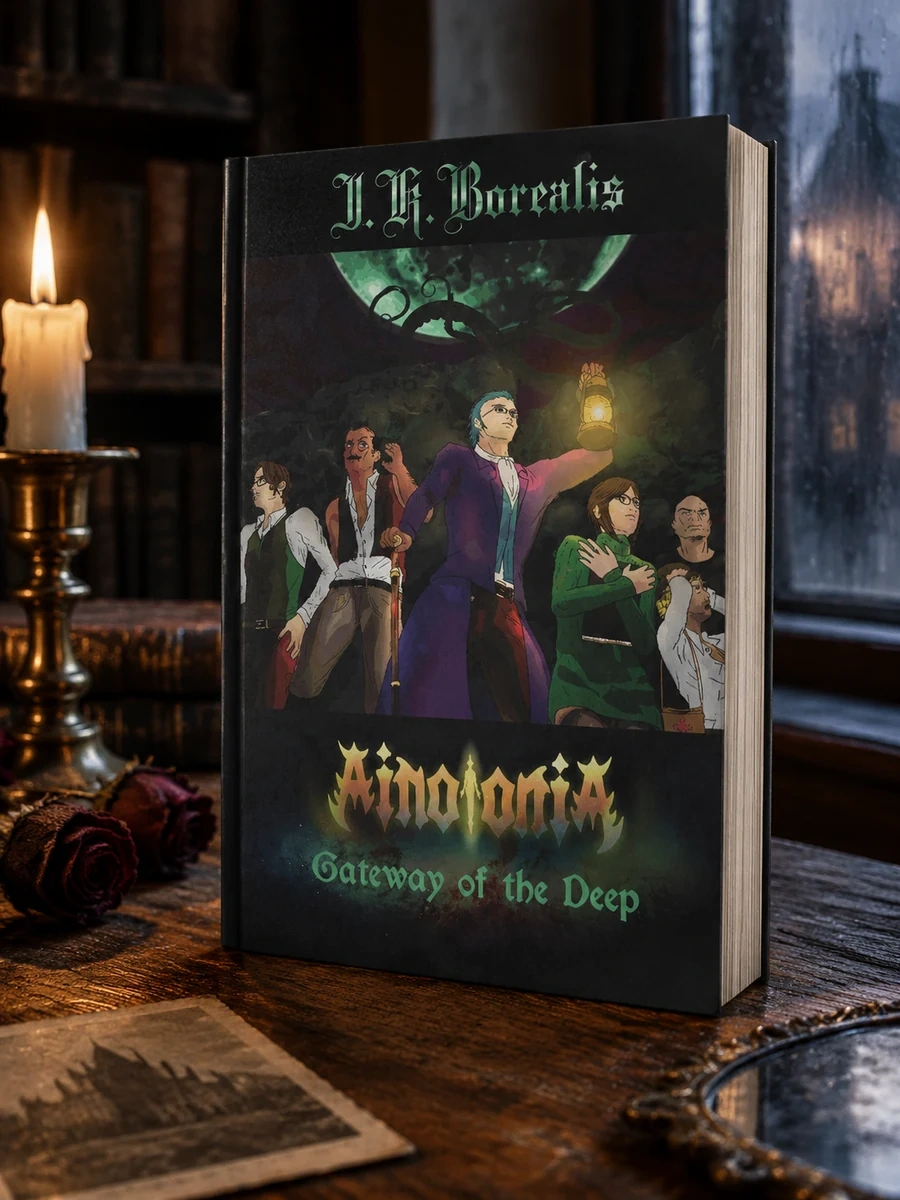
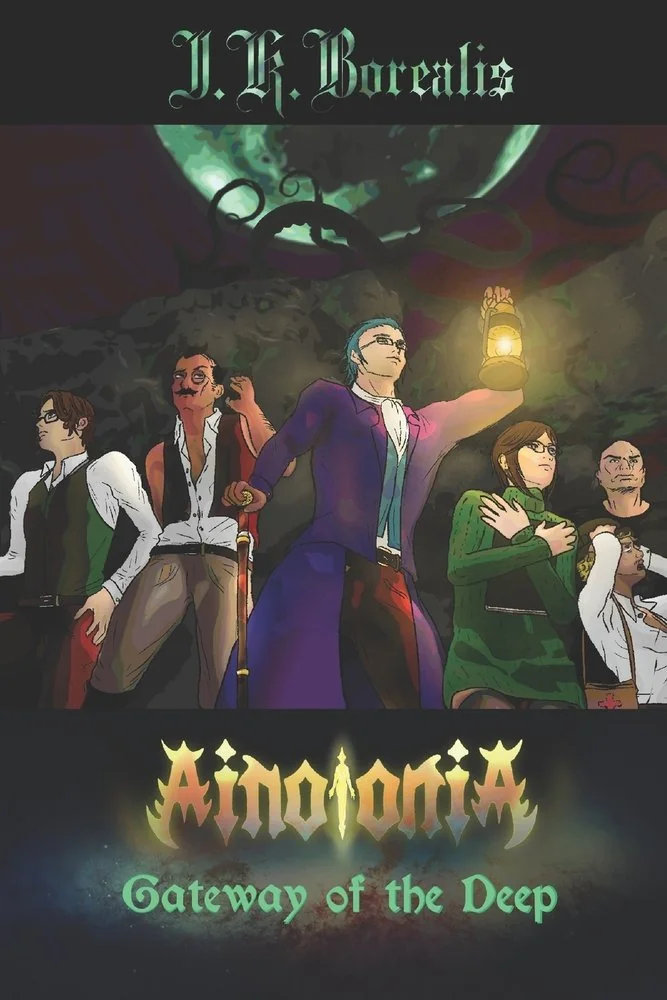
AinoloniA: Gateway of the Deep
A standalone cosmic horror tale about a secret expedition to the Edge of the World.
Jan Borealis writes this short novel as part of the AinoloniA universe. The protagonist leads a group into the Forbidden Sea, concealing his real purpose from them. Their journey yields discoveries that drive them toward madness. The narrative avoids explaining the cosmic entities involved, focusing instead on the human reaction to the incomprehensible. This method creates a sense of helplessness typical of the genre. The story stands alone, requiring no context from other books. It targets readers who prefer psychological horror over gore. The pacing is deliberate, building tension through the characters’ growing realization of their vulnerability. Borealis uses minimal exposition to maintain mystery. The ending offers no comfort, only the stark reality of their situation.
This work belongs to the modern independent publishing sphere, released in 2023. It fits within the contemporary revival of cosmic horror, echoing Lovecraftian traditions of forbidden knowledge and existential dread. The AinoloniA universe provides a specific mythological backdrop for these themes.


📝 Description: AinoloniA: Gateway of the Deep
💎 Our verdict on AinoloniA: Gateway of the Deep
📖 Why choose it
Why this book is worth reading
Readers who prioritize atmospheric tension and psychological unraveling over gore or action will find this narrative deeply satisfying. It appeals to those who appreciate the ambiguity of cosmic indifference, where human understanding fails against the vast unknown. The story offers a claustrophobic exploration of isolation and madness, ideal for fans who enjoy deliberate pacing and creeping unease rather than immediate shock. Those seeking traditional resolutions may find the lack of answers unsettling, but enthusiasts of existential terror will value the stark reality presented without comfort.
⭐ Reader reviews
Reader rating
Borealis delivers a masterclass in sustained dread through minimal exposition and confined perspective. The narrative excels in portraying the psychological fragility of its characters as they confront the incomprehensible. By withholding explanations for cosmic entities, the text forces readers to focus on the visceral human reaction to terror. This approach creates a palpable sense of helplessness and vulnerability. The book suits those who prefer intellectual horror over visceral shock. While the ambiguous nature may frustrate some, it perfectly captures the essence of cosmic horror. The deliberate pacing builds tension effectively, making the final confrontation with the unknown feel earned and terrifyingly real.