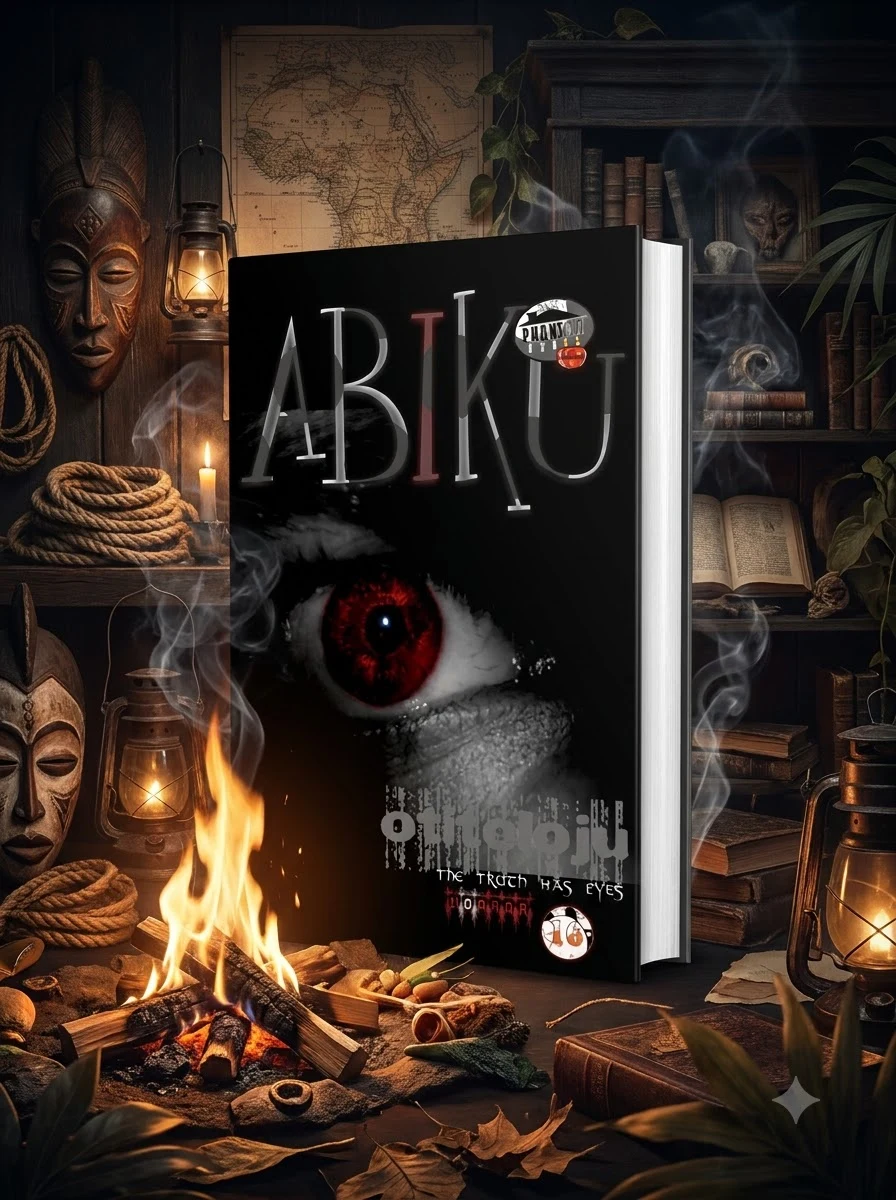
Abiku: Otitoloju (The Truth Has Eyes)
A spirit child returns from sacrifice to exact revenge on colonial intruders in precolonial Africa.
Ngr’s narrative examines the intersection of indigenous spirituality and colonial expansion. The protagonist, a sacrificed child, transcends death to target those who exploit local customs. This approach highlights the tension between external forces seeking control and internal spiritual defenses. The story does not shy away from the brutality of both ritual sacrifice and imperial ambition. It presents a world where the dead actively shape the living’s fate through calculated vengeance against those who disrupt ancient orders.
The book is set in precolonial Africa, specifically referencing the Niger Cameroons. It draws on the Abiku tradition of spirit children and explores the clash between indigenous gods and incoming colonialists during that historical period.


📝 Description: Abiku: Otitoloju (The Truth Has Eyes)
💎 Our verdict on Abiku: Otitoloju (The Truth Has Eyes)
📖 Why choose it
Why this book is worth reading
Readers interested in gothic horror blended with historical fiction will find this title compelling, particularly those who appreciate narratives where the supernatural directly influences political and social upheaval. The book offers a specific perspective on resistance through a mythological lens rather than co-opting the narrative for lighthearted adventure. It suits audiences seeking dark, vengeful tones that explore the intersection of indigenous spirituality and colonial intrusion. By focusing on the tension between external forces seeking control and internal spiritual defenses, it provides a unique look at imperial ambition through the eyes of the dead. This work is ideal for those who enjoy stories where ancient orders are disrupted by modern exploitation, resulting in calculated retribution.
⭐ Reader reviews
Reader rating
This title effectively merges gothic horror with historical fiction, presenting a world where the dead actively shape the living’s fate. The narrative does not shy away from the brutality of ritual sacrifice or imperial ambition, offering a visceral exploration of colonial intrusion. It is best suited for readers who appreciate dark, vengeful tones and narratives where supernatural forces drive political conflict. Those seeking lighthearted adventure or purely academic historical analysis may find the tone too intense. The work succeeds in highlighting the clash between ancient spiritual defenses and external control, providing a compelling perspective on resistance. It stands out as a distinct entry in horror fiction that utilizes mythological elements to critique power dynamics.
You might also like
See more →







Have a question about this item?
Ask about the edition, condition, delivery or anything else — we reply by email or phone, usually within a day.
