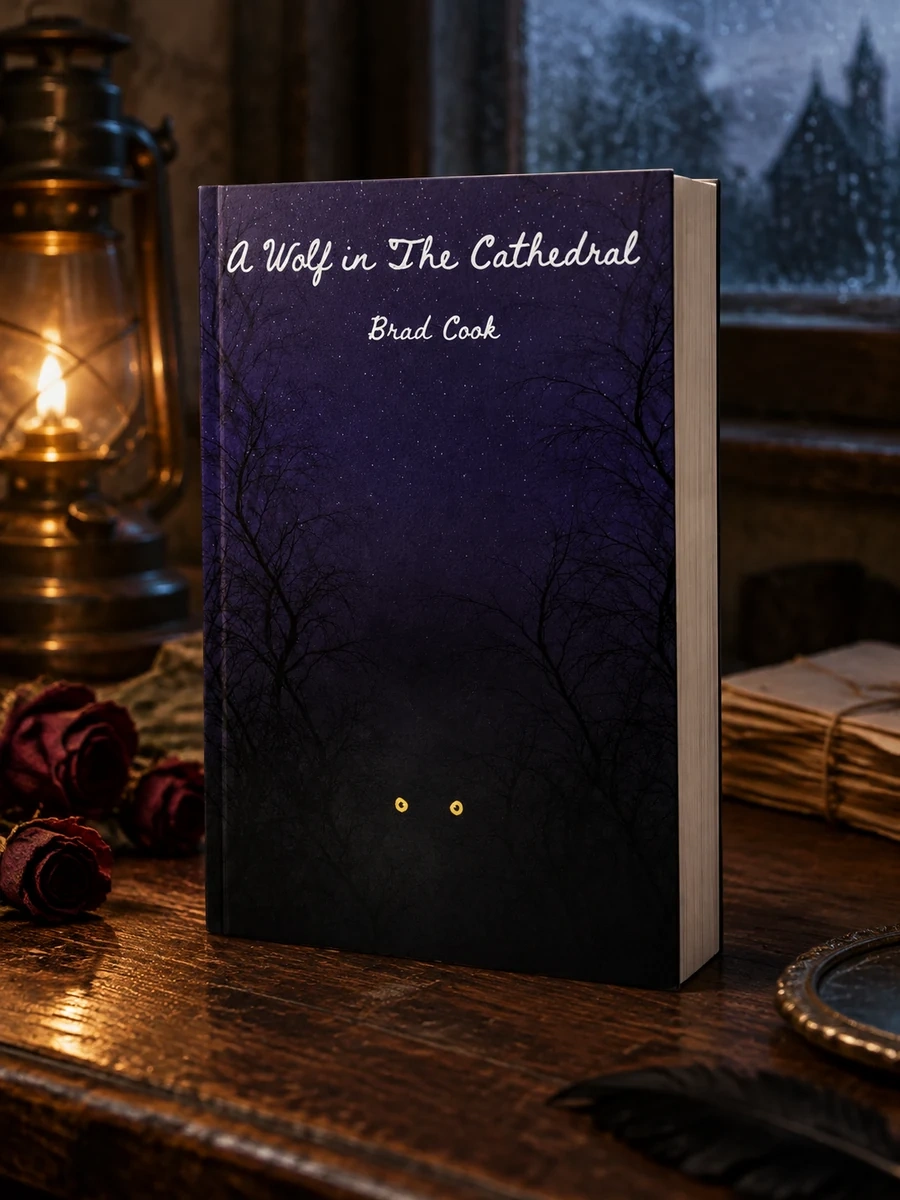
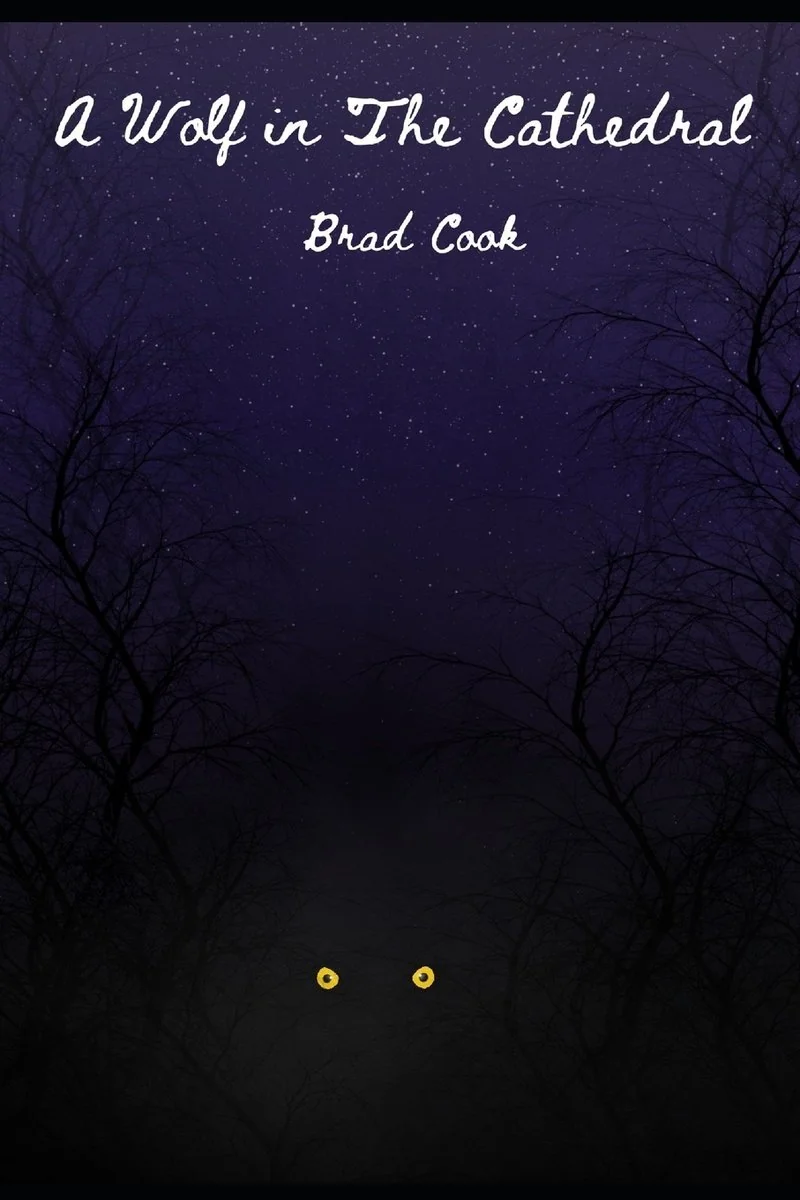
A Wolf in The Cathedral
A generational monster hunts four teens in a 1999 Pennsylvania forest.
Cook explores how trauma becomes a tangible threat in this supernatural thriller. The antagonist is not a standard beast but a shape-shifting entity that draws power from the victims' pasts. It uses their inherited pain and childhood fears to craft its appearance. This approach shifts the horror from physical survival to psychological unraveling. The characters cannot escape because the monster is already inside their memories. Every interaction they have ever had becomes a potential trap. The narrative structure emphasizes the inescapable nature of this bond between hunter and prey. It suggests that what was done to them before they were old enough to understand continues to define their present danger.
Set in the summer of 1999, this story places its horror within a specific late-nineties context. The Pennsylvania woods serve as the isolated setting where modern teenagers confront an ancient evil. The narrative draws on the tradition of folklore monsters that feed on emotional scars rather than just flesh.


📝 Description: A Wolf in The Cathedral
💎 Our verdict on A Wolf in The Cathedral
📖 Why choose it
Why this book is worth reading
Readers who prefer horror that lingers in the mind over immediate physical shocks will find this book rewarding. It offers a unique exploration of how inherited pain and childhood fears can manifest as terrifying, shape-shifting entities. Those interested in psychological unraveling and the concept of generational curses will appreciate the focus on internal trauma rather than traditional monster hunting. The narrative invites deep engagement with characters whose pasts define their present danger, providing an immersive experience for those willing to endure its slow, invasive pacing.
⭐ Reader reviews
Reader rating
Brad Cook crafts a compelling supernatural thriller that redefines the hunt by making memory the battlefield. The book excels in creating an atmosphere of inescapable dread, where the antagonist’s form shifts based on the victims' deepest wounds. This approach transforms standard survival horror into a study of psychological vulnerability. It suits readers who enjoy slow-burn narratives and complex emotional stakes over fast-paced action. While those seeking traditional jump scares may find it difficult to engage with, fans of cosmic and psychological horror will appreciate its innovative take on generational trauma as a tangible, predatory force.
📖 Read on the blog
🏛 Books from this publisher Independently Published








You might also like
See more →
Have a question about this item?
Ask about the edition, condition, delivery or anything else — we reply by email or phone, usually within a day.
