
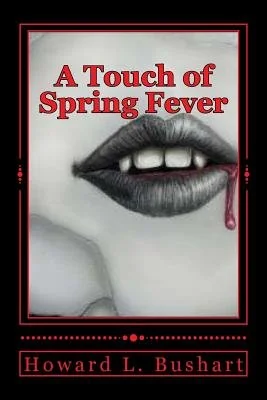
A Touch of Spring Fever
A standalone horror novel focusing on psychological unease and atmospheric dread.
Griffin constructs a narrative that avoids immediate shocks. The story builds tension through implication rather than spectacle. Readers experience a slow rise of fear. The text prioritizes mood over plot mechanics. This approach creates a sense of lingering discomfort. The work stands apart from series-driven horror. It offers a complete experience in one volume. The author uses suggestion to unsettle the reader. This method attacks the mind directly. Fans of the macabre will recognize this technique. The book does not rely on explicit violence. Instead, it focuses on psychological weight. The narrative structure supports this gradual build. Readers must appreciate silence and tension. Those who prefer noise may find this slow. The story remains grounded in atmospheric dread. Griffin’s choice to avoid conventional comfort defines the work.
Published in 2014 by Hl Bushart, this paperback edition sits within the horror genre. It targets readers who appreciate the macabre and value substance over spectacle. The work offers a standalone experience without series continuity.


📝 Description: A Touch of Spring Fever
💎 Our verdict on A Touch of Spring Fever
📖 Why choose it
Why this book is worth reading
Readers who value substance over spectacle will find resonance in this standalone horror novel. It appeals to those who appreciate the chilling silence before the storm and prefer a slow rise of fear to immediate shocks. The narrative constructs tension through implication rather than action, attacking the mind directly. Those seeking lingering discomfort long after closing the book will benefit from Griffin’s focus on psychological weight. It offers a complete experience without series continuity, inviting patience from readers who enjoy atmospheric dread. This volume suits fans of the macabre who understand that effective terror relies on suggestion and mood rather than explicit gore or loud action.
⭐ Reader reviews
Reader rating
Griffin delivers a stark entry into horror by prioritizing atmospheric dread and psychological unease. The narrative avoids conventional comfort, constructing tension through a slow build that demands patience. This approach creates lingering discomfort by attacking the mind via implication rather than explicit violence. The work stands apart from series-driven horror, offering a self-contained experience grounded in mood. It suits readers who appreciate the chilling silence before the storm and value suggestion over spectacle. While those seeking loud action may find it slow, fans of psychological horror will recognize the technique’s effectiveness. The text focuses on the gradual accumulation of terror, defining effective fear for its specific audience through sustained unease rather than easy resolutions.
You might also like
See more →







Have a question about this item?
Ask about the edition, condition, delivery or anything else — we reply by email or phone, usually within a day.
