A Taste for Family
A gothic tale of a hidden monster forced to confront his past.
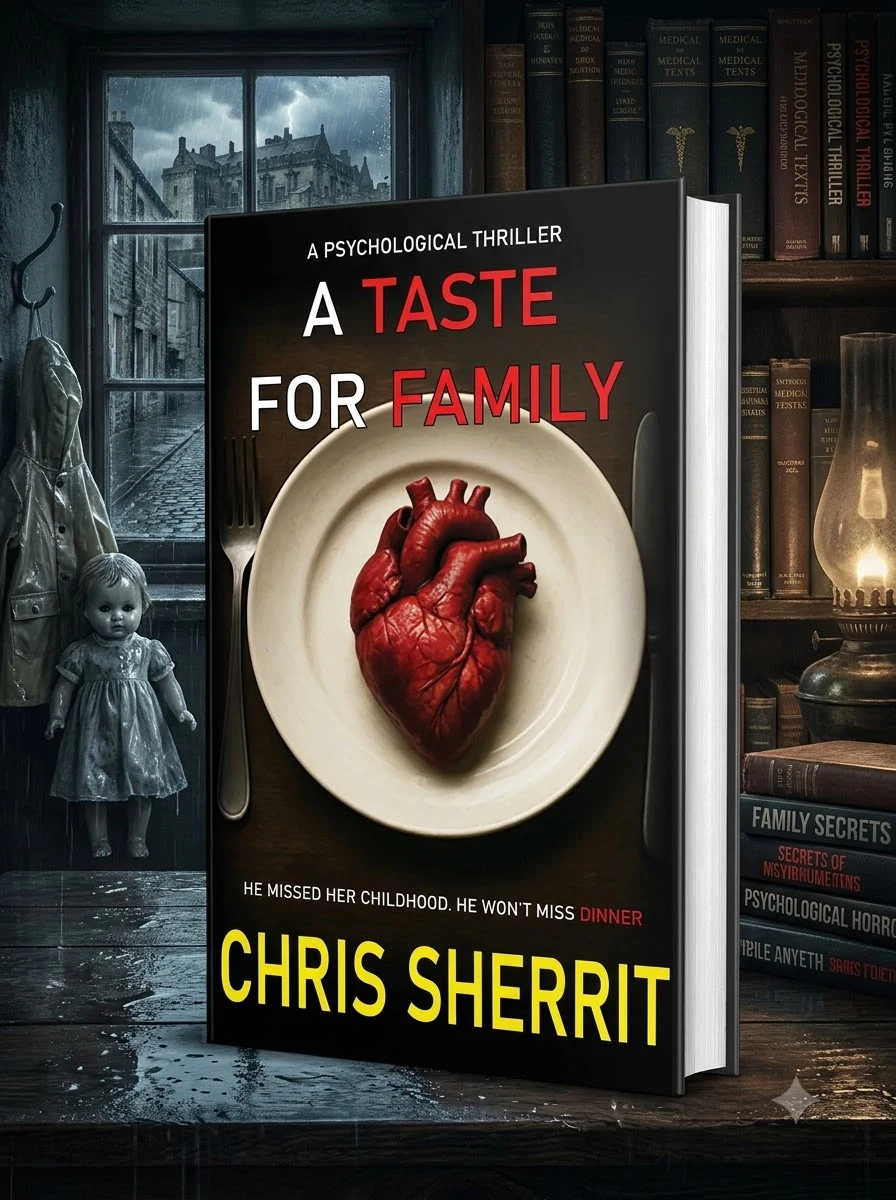
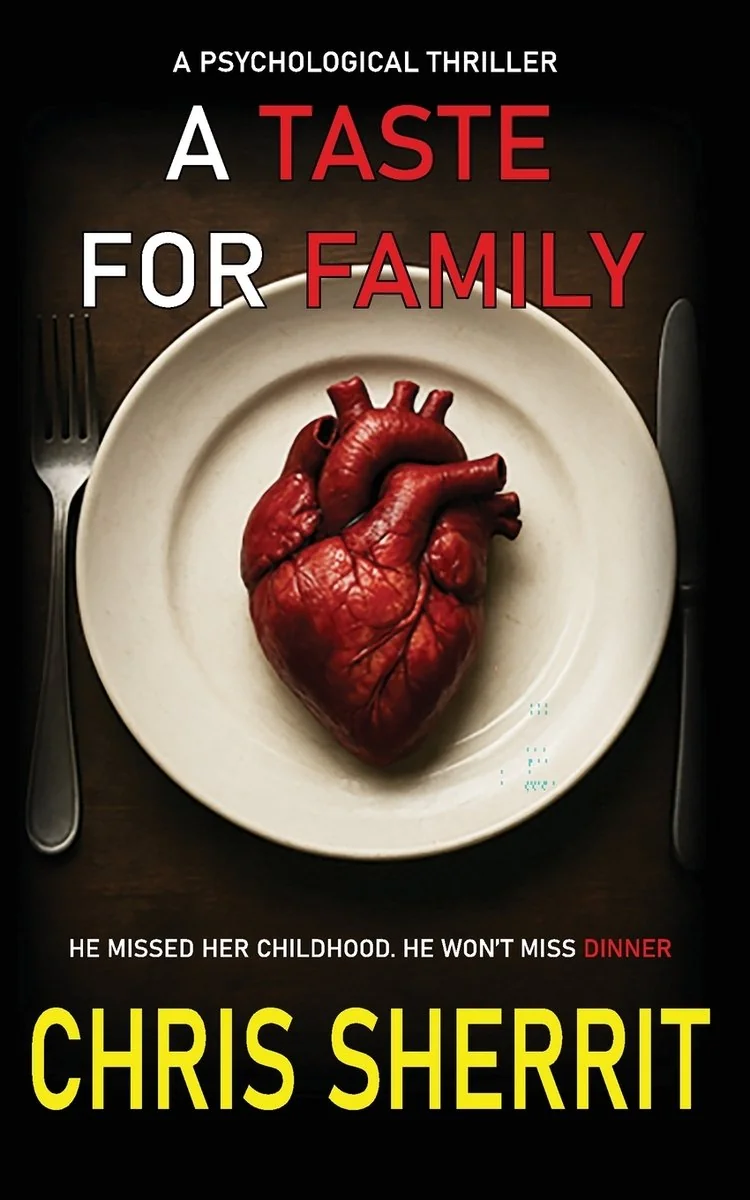
The plot revolves around Henry Dubois, a man who has lived in isolation beneath Stirling Castle for many years. He hides a specific hunger that requires terrible acts to satisfy. His solitary existence changes when Olivia appears at his doorstep. She identifies herself as his daughter and demands attention. Their relationship develops within the confined spaces of his home. The proximity forces hidden aspects of Henry’s life into the open. The setting of Stirling acts as a pressure cooker for these revelations. The narrative explores the conflict between paternal instinct and predatory nature. It questions whether one can escape their inherent monstrousness. The story relies on the tension between secrecy and exposure. It does not provide easy answers about identity or morality.
The narrative is set in Stirling, a small city beneath Stirling Castle. This location grounds the supernatural elements in a specific European gothic tradition. The story reflects themes of isolation and hidden identities common in horror fiction. It draws on the period of modern urban loneliness.


📝 Description: A Taste for Family
💎 Our verdict on A Taste for Family
📖 Why choose it
Why this book is worth reading
Readers seeking atmospheric horror and deep psychological tension will find this book compelling. It appeals to those interested in gothic traditions where domestic settings mask dark secrets, offering a slow-burn narrative that prioritizes the weight of legacy over external threats. This is for audiences who enjoy exploring the conflict between paternal instinct and predatory nature within confined spaces. Those wary of fast-paced action or traditional vampire lore may find it unsatisfying, but lovers of repressed pasts and moral ambiguity will appreciate its refusal to provide easy answers about identity. It offers a unique examination of inherent monstrousness and the pressure cooker effect of proximity on hidden truths.
⭐ Reader reviews
Reader rating
Sherrit crafts a tense exploration of isolation and familial duty, using Stirling Castle’s shadow as a metaphor for inescapable history. The narrative excels in building unease through confined domestic spaces, forcing Henry Dubois to confront his terrible hunger. While it lacks light relief or clear resolutions, the psychological depth rewards patient readers. It suits fans of atmospheric horror who prefer character-driven dread over jump scares. The slow burn may frustrate those seeking immediate gratification, but for others, it provides a chilling look at how secrecy corrodes the soul. A solid entry in modern gothic fiction that questions whether one can ever truly escape their inherent nature.
You might also like
See more →







Have a question about this item?
Ask about the edition, condition, delivery or anything else — we reply by email or phone, usually within a day.
