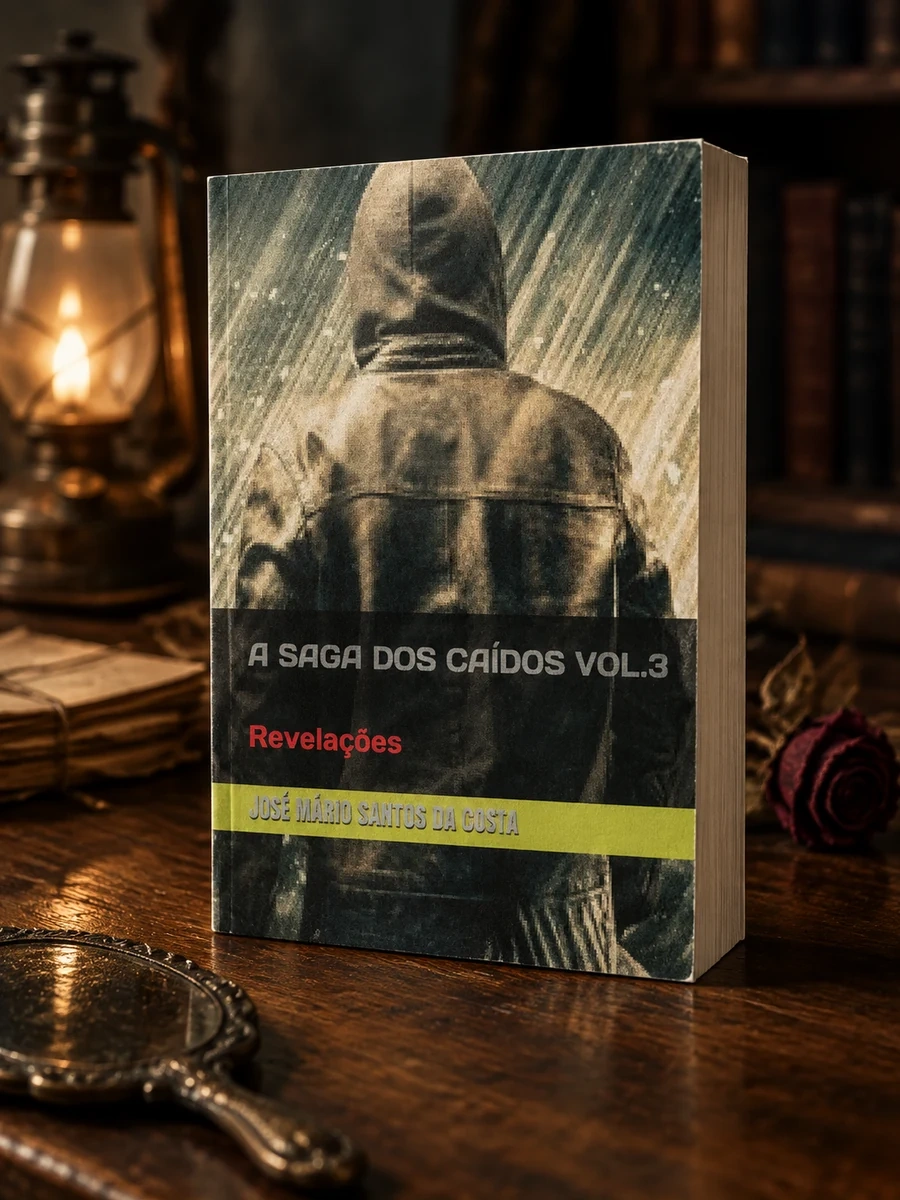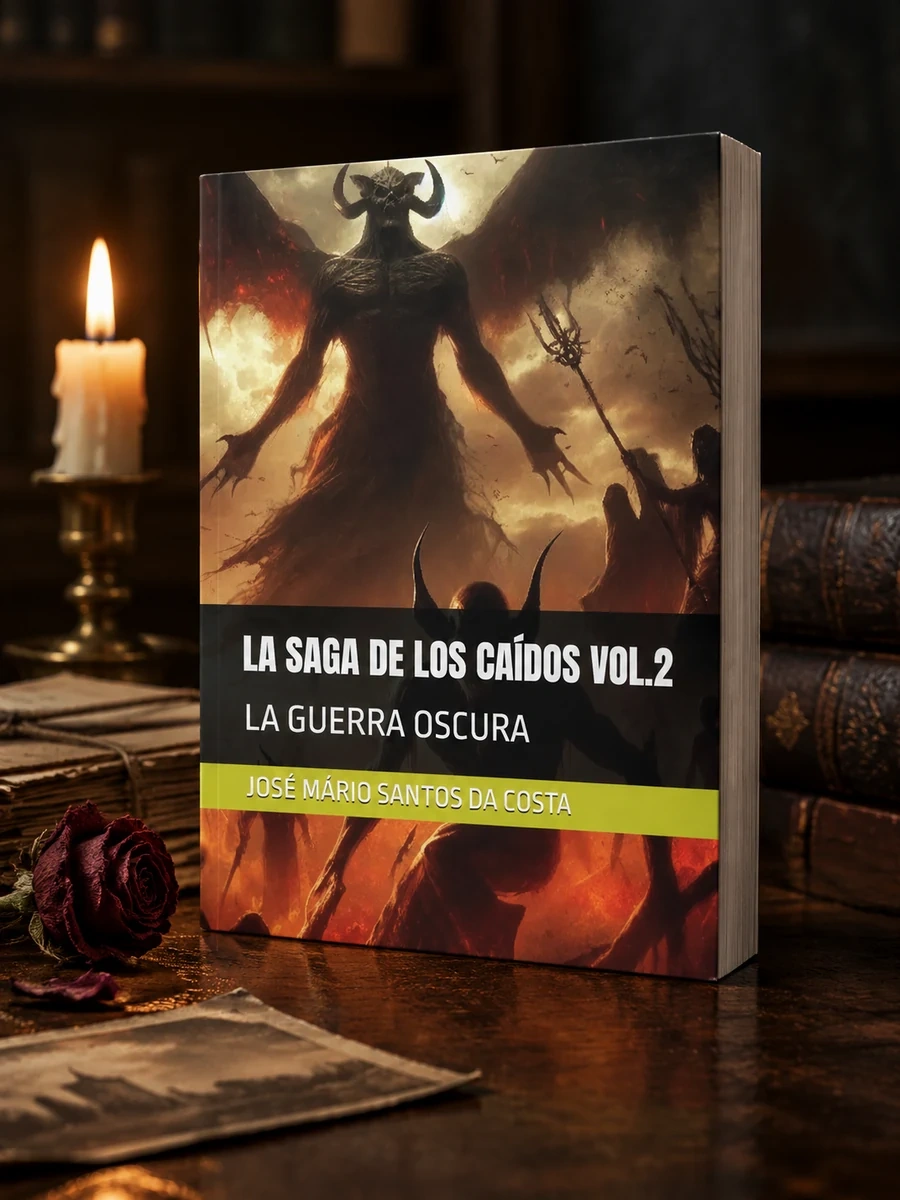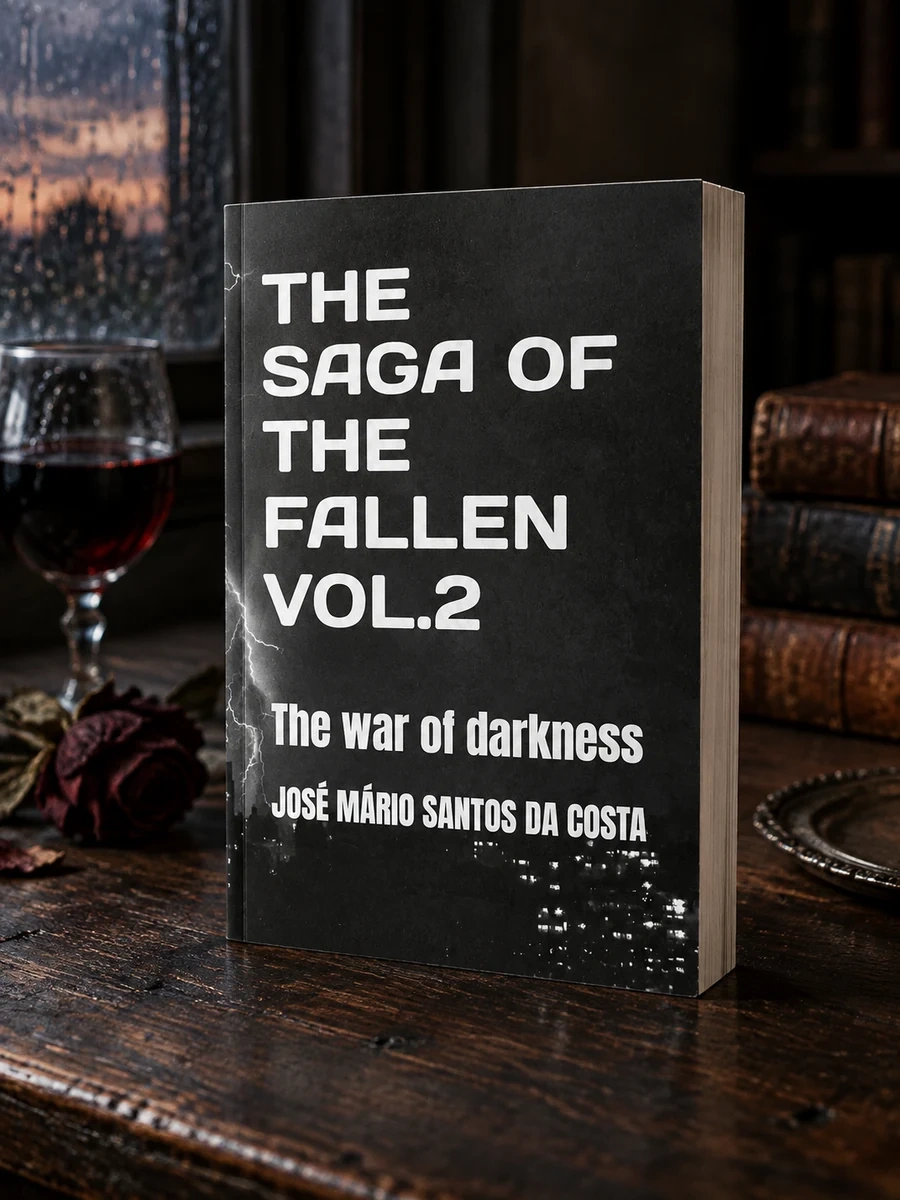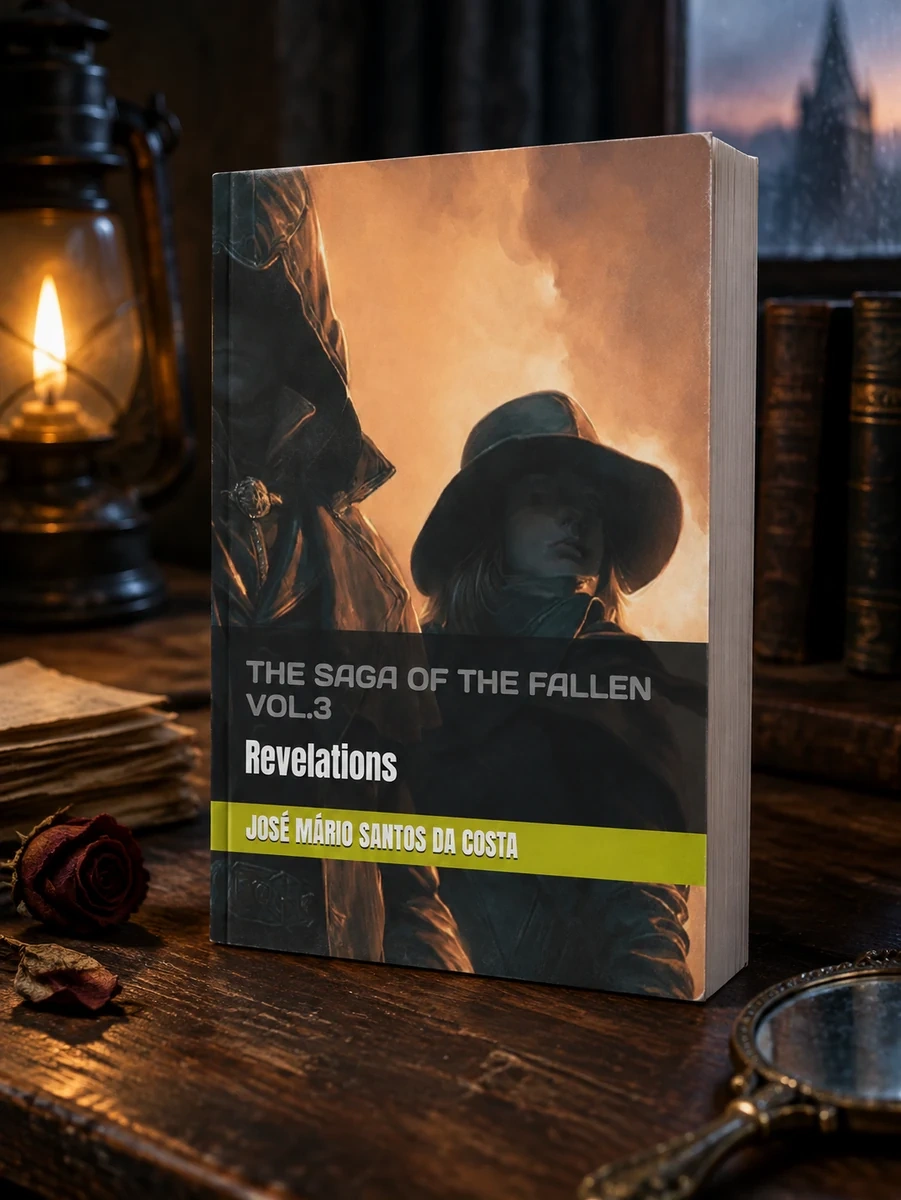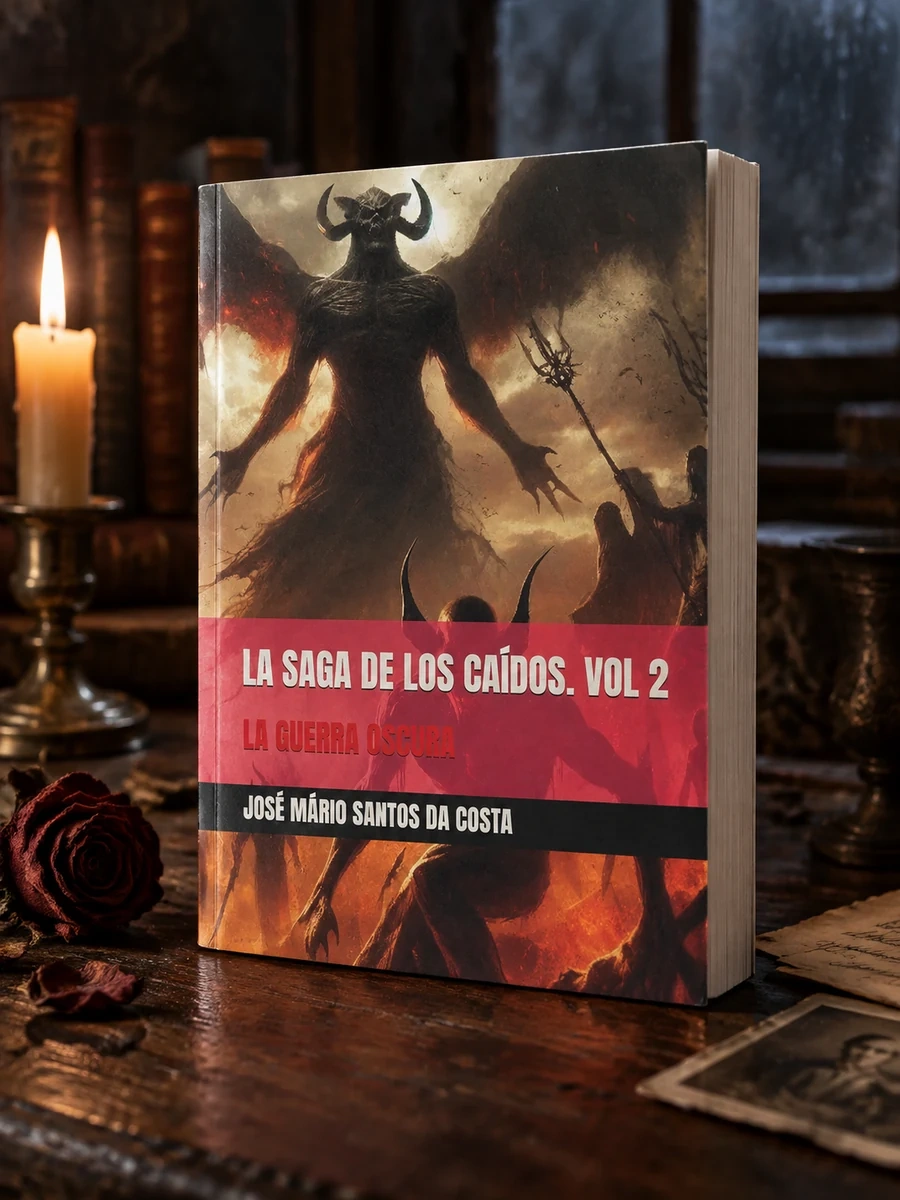

A Saga DOS Caidos Vol.2: A Guerra Das Trevas
A theological saga about John's family fighting fallen angels in a cosmic war.
This volume advances the narrative by revealing how divine power operates through human frailty. The family acts as a barrier against demonic forces that seek to bypass heavenly laws. Each generation witnesses God raising a champion to counter the malignant army. The conflict centers on punishment for those who exceed their bounds. Costa examines the tension between free will and predestined justice. The story does not rely on gore but on spiritual warfare. It appeals to readers who enjoy allegorical tales of good versus evil. It may disappoint those looking for traditional monster hunting or secular thriller elements.
This work is an independently published religious fiction released in 2021. It draws on Christian theological traditions regarding fallen angels and demonic punishment. The text reflects a specific interpretation of biblical conflict between God's chosen people and evil forces.


📝 Description: A Saga DOS Caidos Vol.2: A Guerra Das Trevas
💎 Our verdict on A Saga DOS Caidos Vol.2: A Guerra Das Trevas
📖 Why choose it
Why this book is worth reading
Readers seeking a departure from gore-centric horror will find value in this allegorical exploration of spiritual warfare. The book appeals to those who enjoy cosmic and psychological horror elements where the terror stems from theological implications rather than physical violence. It is ideal for audiences interested in dark fantasy that examines the tension between free will and predestined justice. Those who appreciate narratives where divine power operates through human frailty will find the focus on celestial forces and demonic boundaries intellectually engaging. The story offers a unique perspective on good versus evil, making it suitable for fans of religious fiction who want to see traditional horror tropes reimagined through a lens of spiritual struggle and cosmic order.
⭐ Reader reviews
Reader rating
Costa constructs a compelling narrative where the family lineage serves as a vital barrier against demonic incursions, emphasizing that divine power often manifests through human weakness. The text successfully avoids reliance on gore, instead focusing on the intricate dynamics of spiritual warfare and the punishment for exceeding established celestial bounds. This approach creates a tense atmosphere rooted in theological concepts rather than traditional monster hunting. The work is best suited for readers who appreciate allegorical tales of cosmic struggle and are comfortable with a heavy emphasis on religious frameworks. While it may disappoint those seeking secular thrillers or historical realism, it offers a distinct and thoughtful examination of the ongoing conflict between celestial forces and malignant armies.