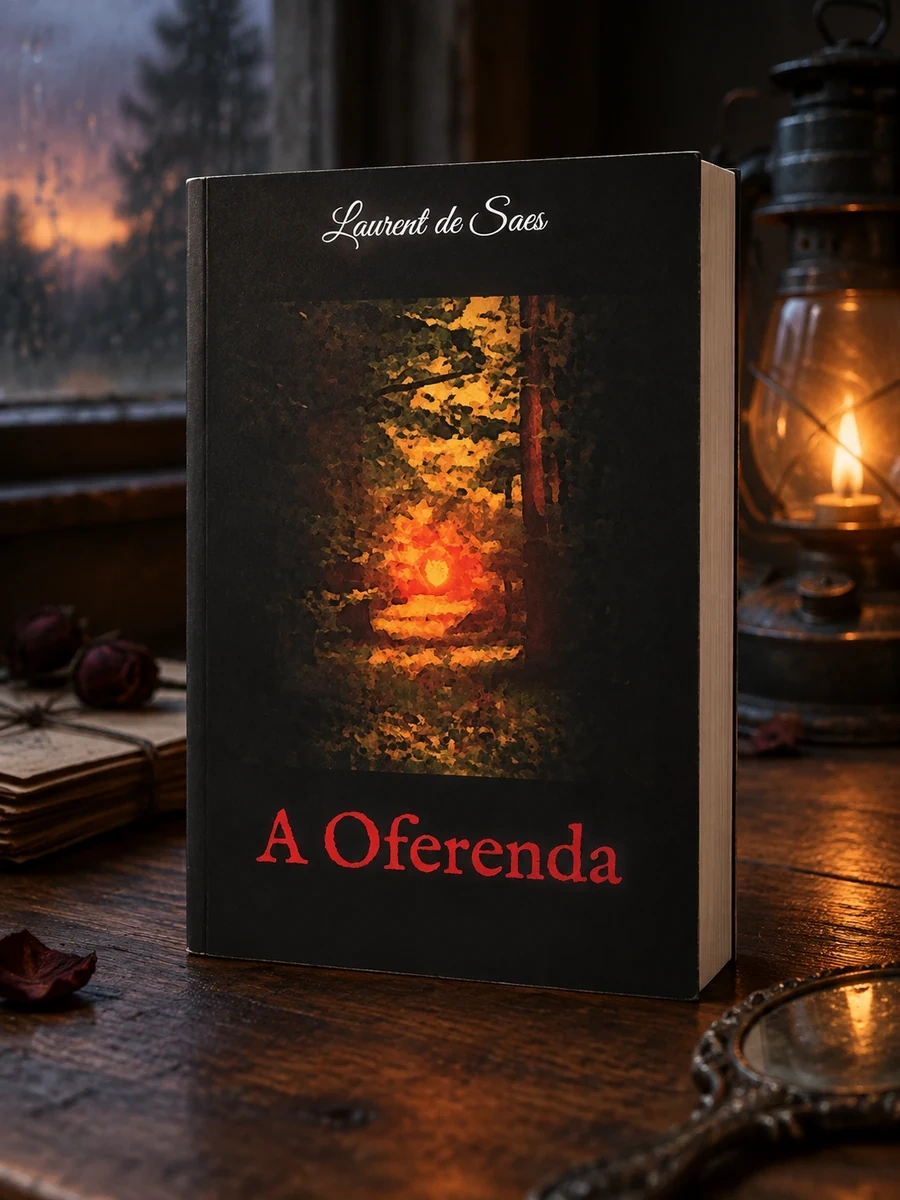
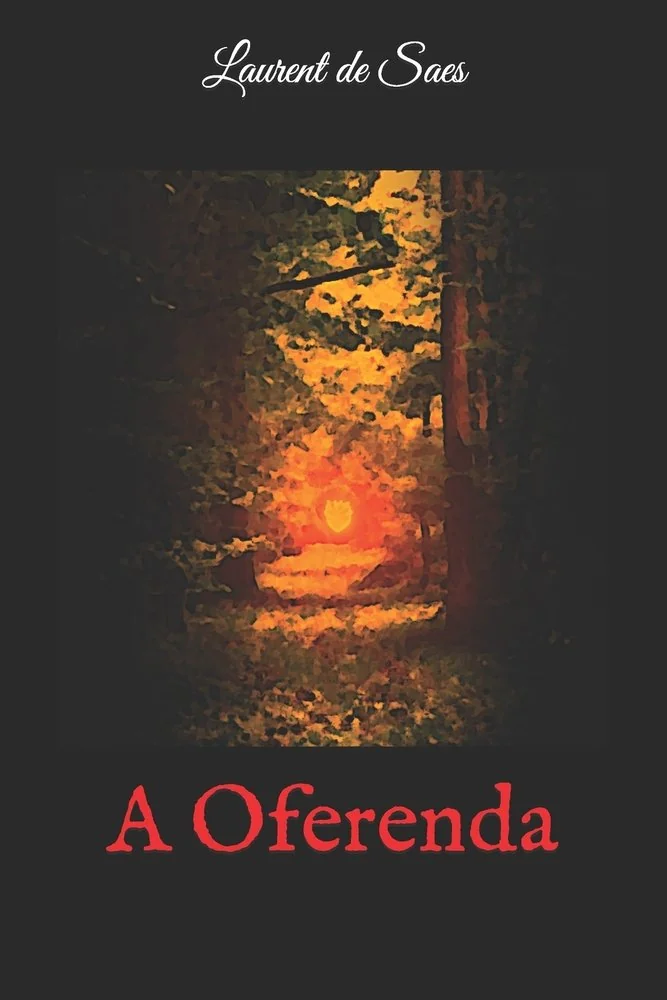
A Oferenda
A 1980s Parisian teacher uncovers dark school secrets tied to rural French rituals.
Camille Dupin arrives at a prestigious Parisian institution in 1980 expecting a standard teaching role. Her experience quickly shifts as she encounters strange events involving the student body and staff. The narrative structure requires her to revisit traumatic memories of a ritualistic gathering in the French countryside. These flashbacks reveal faceless figures dancing around fire and a woman offering herself to the flames. The story connects these past horrors with present-day anomalies at the school. Saes uses this dual timeline to explore themes of memory, trauma, and hidden evil. The text does not rely on jump scares but rather on building psychological unease through detailed recollection. The protagonist must reconcile her rational background in mathematics with the irrational forces she encounters.
The story is set in Paris during 1980, contrasting modern academic life with ancient rural French traditions. It draws on local myths and superstitions from the French countryside to inform its gothic atmosphere.


📝 Description: A Oferenda
💎 Our verdict on A Oferenda
📖 Why choose it
Why this book is worth reading
Readers who appreciate slow-burn psychological horror will find this book compelling due to its intricate exploration of memory and trauma. It is ideal for those interested in the intersection of rationalism and the irrational, as seen through a mathematics professor's eyes. Fans of atmospheric dread over jump scares will enjoy the detailed recollection of rural French rituals. The narrative’s focus on hidden evil within prestigious settings appeals to lovers of gothic mystery. It offers a unique perspective on how past horrors resurface in modern professional life, providing a deep, unsettling experience for those who value cultural myths and psychological depth in their fiction.
⭐ Reader reviews
Reader rating
Saes crafts a tense atmosphere by weaving dual timelines that connect a 1980s Parisian school with rural French rituals. The protagonist’s struggle to reconcile mathematical logic with supernatural events creates a compelling intellectual framework for the horror. The book excels in building psychological unease through detailed recollection rather than relying on cheap thrills. It suits readers seeking a thoughtful, dread-filled narrative grounded in specific cultural myths. Those preferring fast-paced action may find the tension too slow, but fans of gothic tradition will appreciate the nuanced exploration of trauma and hidden evil within an elite institution.
📖 Read on the blog
🏛 Books from this publisher Independently Published








You might also like
See more →

Have a question about this item?
Ask about the edition, condition, delivery or anything else — we reply by email or phone, usually within a day.
