A Limitless Policy: A Samuel the Vampire Novel
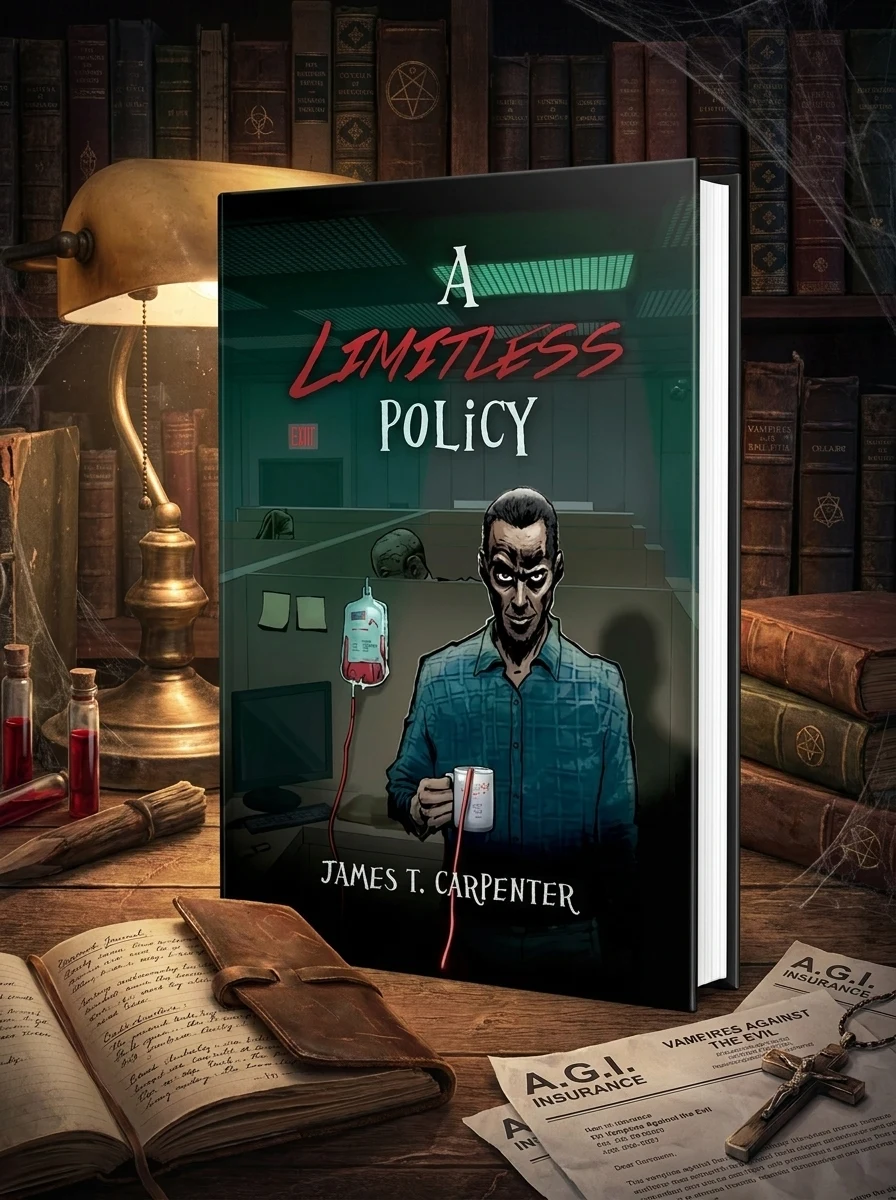
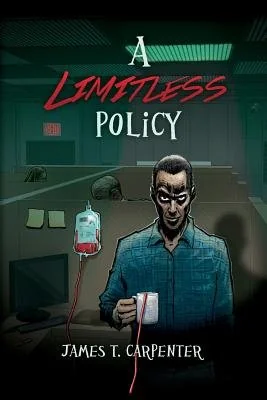
A vampire's therapeutic journal details his failed mission at an insurance company.
Samuel Johnson writes to understand why his infiltration of AGI failed. He belongs to Vampires Against the Evil, which hunts disguised aliens. Their rules allow killing humans if necessary, but Samuel faces consequences for his actions. The book is a first-person account of his time in the corporate world. It examines how a vampire navigates human institutions while hunting monsters. Carpenter uses this format to show the psychological toll of eternal life and violence.
The book sits within contemporary urban fantasy, blending supernatural elements with modern corporate settings. It reflects a period where traditional monster hunting intersects with bureaucratic structures, challenging the vampire archetype by placing it in an insurance company environment.


📝 Description: A Limitless Policy: A Samuel the Vampire Novel
💎 Our verdict on A Limitless Policy: A Samuel the Vampire Novel
📖 Why choose it
Why this book is worth reading
Readers who appreciate character-driven narratives over action-heavy plots will find this book rewarding. It offers a unique perspective on the vampire genre by focusing on introspection and moral ambiguity rather than traditional horror tropes. Those interested in dark urban fantasy and flawed anti-heroes will engage with Samuel’s therapeutic journal format. The story explores the tension between duty and morality, appealing to those who enjoy psychological depth. It is ideal for fans of supernatural vigilantism stories that examine the cost of violence and eternal existence within modern settings.
⭐ Reader reviews
Reader rating
Carpenter effectively utilizes the first-person therapeutic journal to create intimacy with a protagonist navigating complex moral landscapes. The book succeeds in blending modern corporate life with ancient vampire lore, offering a fresh take on the genre. While it lacks traditional gothic atmosphere, it compensates with strong psychological insight into the toll of eternal life and violence. The narrative focuses on internal struggle rather than external action, which may deter some but will please others seeking depth. It is best suited for readers who enjoy introspective anti-heroes and stories about hidden worlds intersecting with mundane reality.