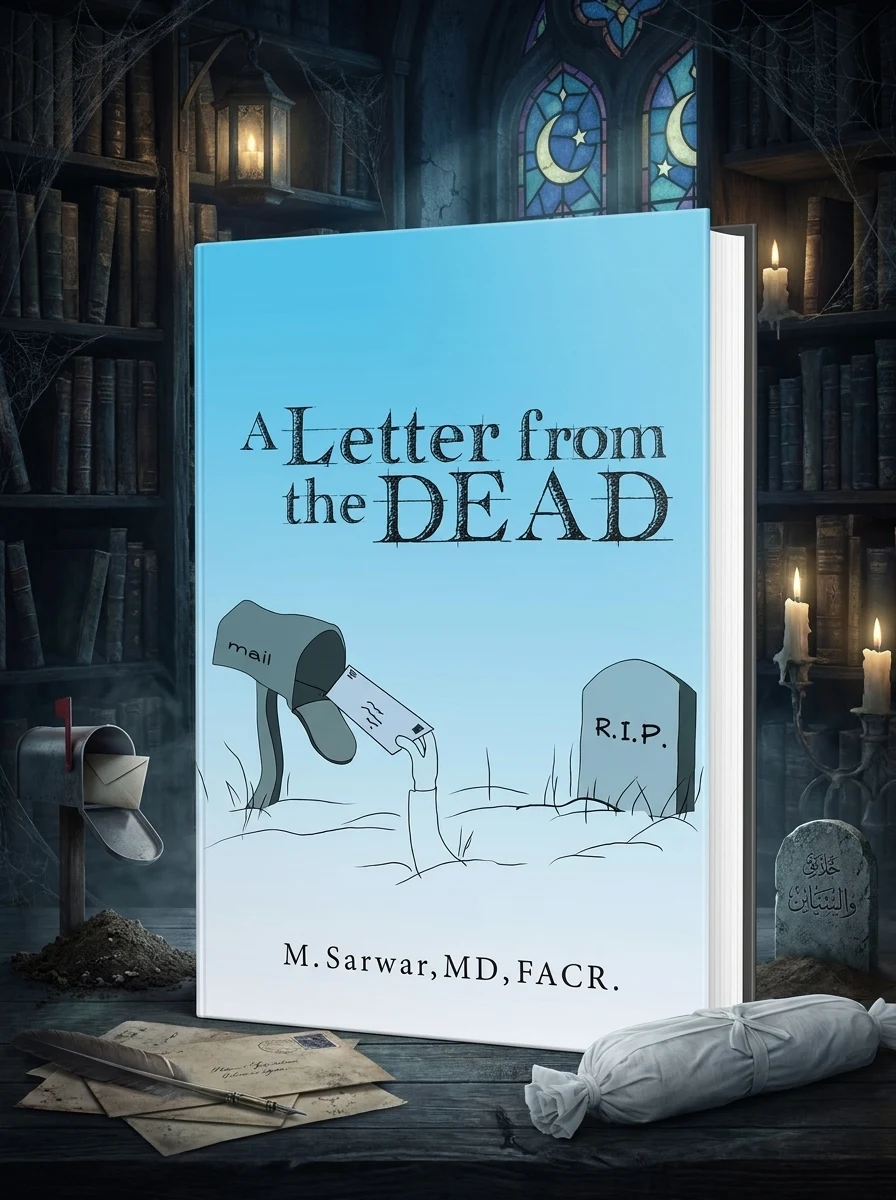
A Letter from the Dead
A Muslim man sends a posthumous letter explaining the afterlife.
The protagonist dies and enters a realm where souls are interviewed by God and angels. He requests to return his insights to the living through a written account. The text details his experiences in this holographic world and his subsequent entry into heaven. His unusual request changes his trajectory, allowing him to uncover truths about faith and human nature. Facr structures these revelations to educate readers on Islamic views of death and divine judgment.
The narrative draws on Islamic traditions regarding death, burial, and the soul's journey. It reflects a Muslim perspective on the interaction between the living and the dead. The story is set within a framework of religious belief concerning God, angels, and heaven.


📝 Description: A Letter from the Dead
💎 Our verdict on A Letter from the Dead
📖 Why choose it
Why this book is worth reading
Readers interested in theological fiction and metaphysical speculation from an Islamic perspective will find this book particularly rewarding. It offers a unique contemplative look at religious beliefs about the afterlife, focusing on the journey from Earth to the world beyond. Those seeking to understand divine judgment and the waiting period for souls through a narrative lens will appreciate its educational approach. The book suits individuals who prefer spiritual inquiry over physical terror, providing insights into faith and human nature rather than graphic supernatural violence. It is ideal for those curious about Islamic views on death and the subsequent interview process with God and angels, offering a glimpse into truths uncovered by a protagonist who bridges the gap between the living and the dead.
⭐ Reader reviews
Reader rating
Facr presents a narrative that prioritizes spiritual inquiry over traditional horror elements, creating a contemplative atmosphere suitable for theological exploration. The book effectively examines spiritual concepts through an Islamic lens, detailing a protagonist’s transition into a holographic realm where souls await judgment. This structure allows for a clear exposition of divine judgment and the afterlife's mechanics without relying on shock value. It is best suited for readers seeking metaphysical speculation rather than graphic violence or secular horror tropes. The work succeeds in educating readers on Islamic views of death, making it a valuable resource for those interested in faith-based narratives and the intersection of religion and speculative fiction.
📖 Read on the blog
✍️ More books by this author M Sarwar Facr
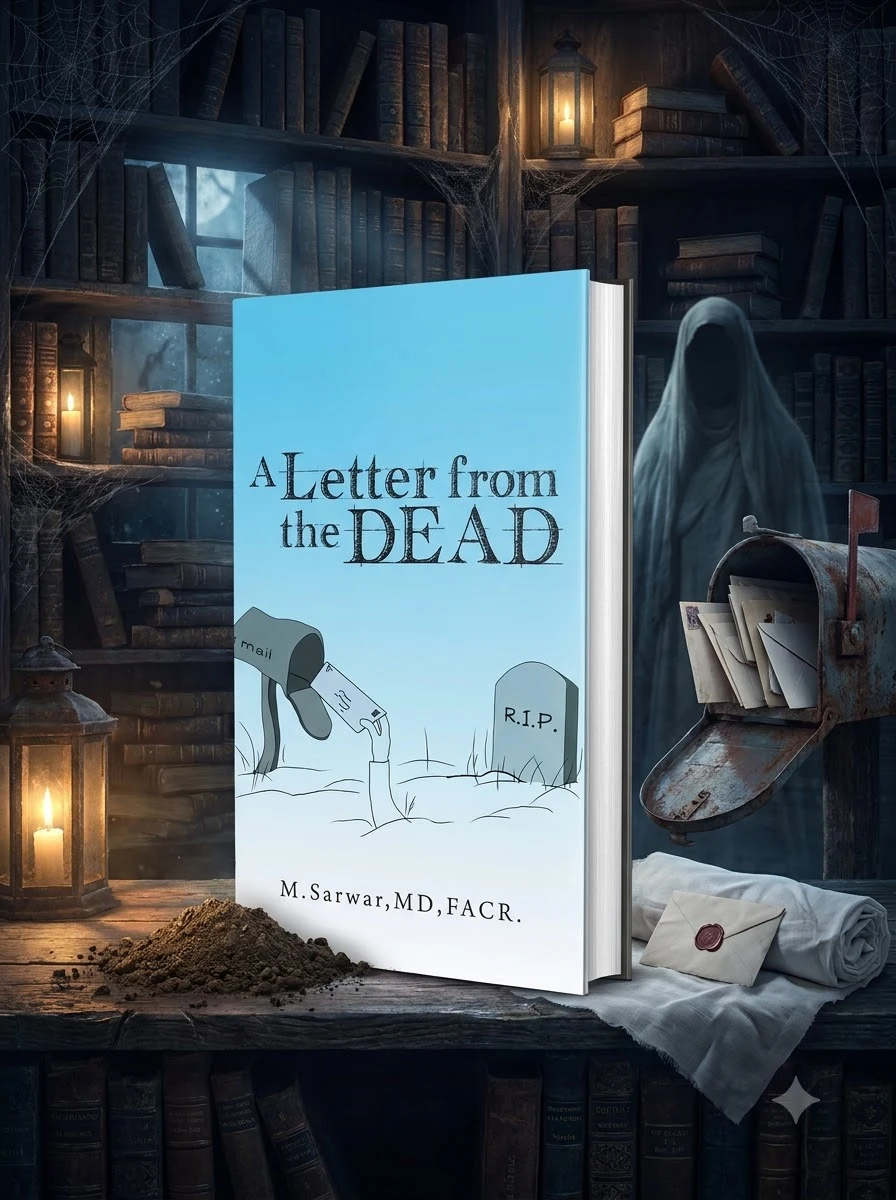


🏛 Books from this publisher Authorhouse


You might also like
See more →


Have a question about this item?
Ask about the edition, condition, delivery or anything else — we reply by email or phone, usually within a day.
