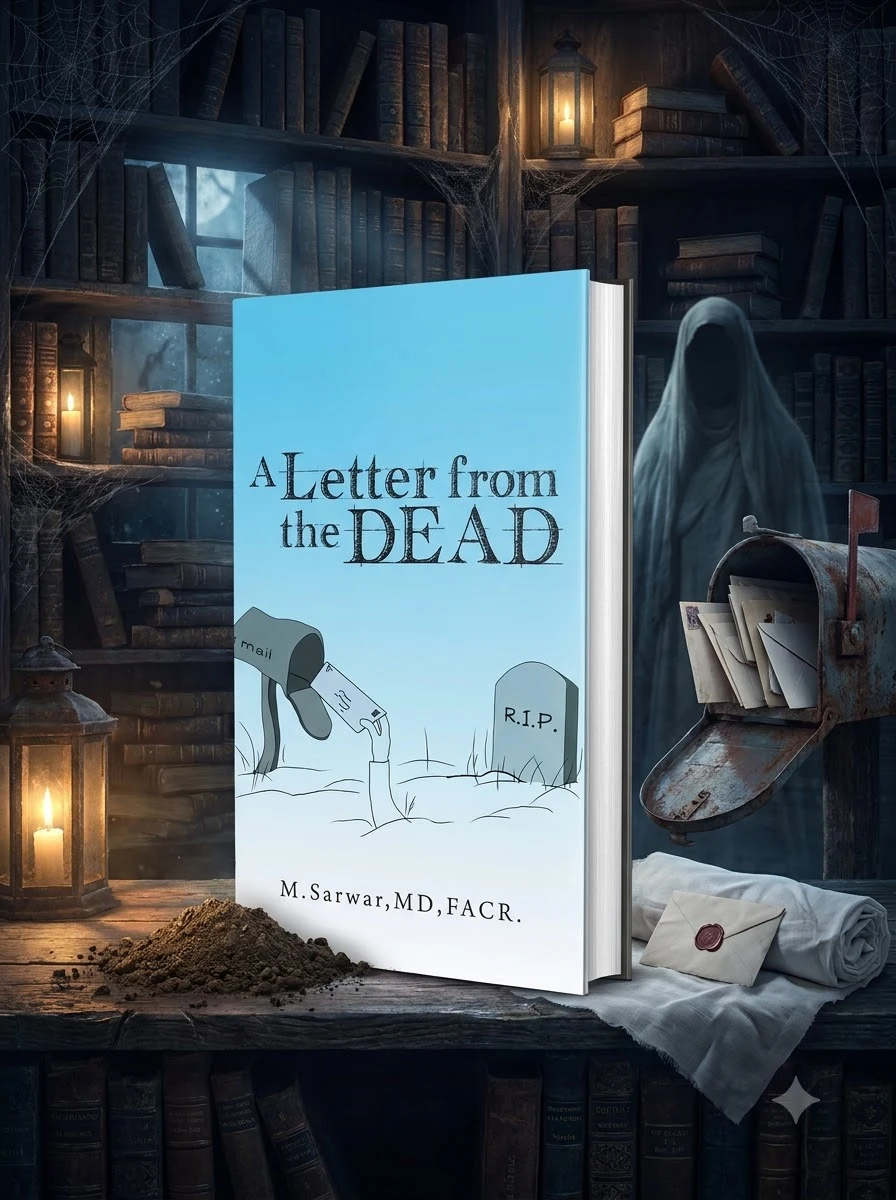
A Letter from the Dead
A fictional account of a Muslim man's afterlife journey and divine encounter.
The narrative follows a man who dies unexpectedly, shocking his family while pleasing his adversaries. He fulfills his promise to educate the living by describing the process of death and the subsequent waiting period for souls. The story details the interaction between the departed spirit and divine entities, specifically God and an army of angels. A pivotal moment occurs when he is granted entry to heaven but chooses a different route due to a unique request. This choice allows him to observe and learn about the nature of faith and human connection from a supernatural viewpoint. The account serves as a guide for those curious about what lies beyond the final burial.
The work draws on Muslim traditions regarding death, burial, and the soul's journey. It reflects Islamic theological concepts of judgment by God and angels. The narrative is set in a contemporary context where the protagonist lives on Earth before passing away. It engages with questions of faith and the afterlife specific to this religious framework.


📝 Description: A Letter from the Dead
💎 Our verdict on A Letter from the Dead
📖 Why choose it
Why this book is worth reading
Readers interested in the intersection of horror and theology will find this narrative compelling as it reframes the afterlife through a specific cultural lens. It appeals to those who enjoy cosmic or spiritual horror but prefer introspective journeys over visceral gore. The book offers a unique perspective for individuals curious about Islamic views on death, judgment, and divine mercy. It serves as a bridge for secular readers seeking understanding of religious traditions while providing comfort to believers through its depiction of order and purpose in the unseen world. Fans of psychological horror that focuses on existential dread and revelation will appreciate the detailed exploration of the soul's transition.
⭐ Reader reviews
Reader rating
Sarwar Facr delivers a vivid, imaginative account of the post-mortem experience, blending elements of gothic atmosphere with spiritual inquiry. The narrative excels in creating a tangible sense of the supernatural realm, describing the 'holographic' waiting period and divine encounters with clarity and precision. While it lacks the academic rigor expected in theological studies, its strength lies in its accessible, first-person perspective that humanizes abstract religious concepts. This approach makes complex ideas about faith and judgment feel immediate and personal. The book is best suited for readers who enjoy speculative fiction that tackles heavy philosophical themes without requiring prior scholarly knowledge. It avoids dense jargon, opting instead for a direct, engaging storytelling style that prioritizes emotional resonance over doctrinal debate.
📖 Read on the blog
✍️ More books by this author M Sarwar Facr
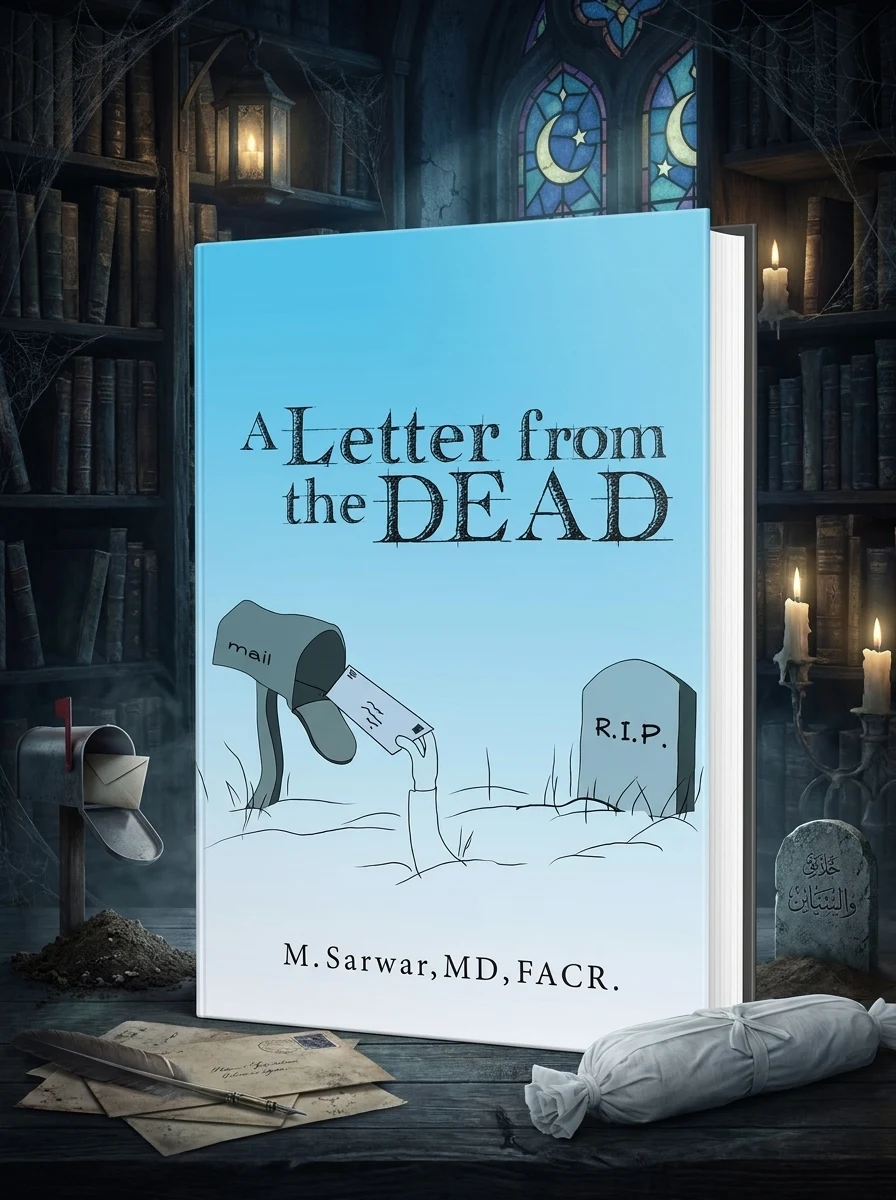


🏛 Books from this publisher Authorhouse



You might also like
See more →



Have a question about this item?
Ask about the edition, condition, delivery or anything else — we reply by email or phone, usually within a day.
