
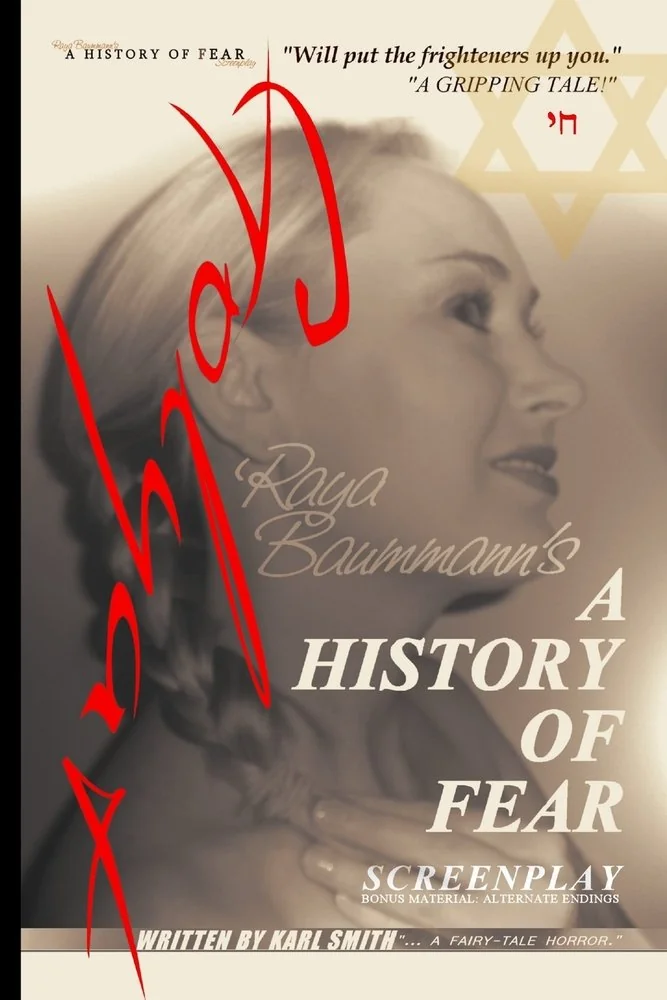
A History of Fear: Screenplay
A screenplay tracing a haunted toy bear through Titanic and Auschwitz.
The narrative follows a specific object rather than a human protagonist. The bear acts as a silent witness to catastrophic events. Its journey connects disparate moments in time through shared trauma. The text uses the screenplay format to highlight visual storytelling elements. This approach emphasizes the physical presence of the fear it carries. The story moves from maritime disaster to concentration camp without pause. Each transition deepens the understanding of how fear is transmitted. The bear’s existence challenges the boundary between toy and guardian. Smith uses this figure to explore the endurance of memory. The work does not offer resolution but rather a continuous presence. It forces the reader to confront the weight of history through an unusual lens. The focus remains on the object’s perspective throughout the entire sequence.
Published by Orphic House in 2010, this screenplay draws on early twentieth century history. It connects the sinking of the Titanic with the Holocaust. The work reflects a specific moment in publishing where supernatural fiction intersected with documented tragedy.


📝 Description: A History of Fear: Screenplay
💎 Our verdict on A History of Fear: Screenplay
📖 Why choose it
Why this book is worth reading
Readers who appreciate the intersection of gothic fiction and documented history will find this approach compelling. The narrative does not shy away from the grim destinations of its central object, presenting a continuous thread of survival and suffering that links personal tragedy to collective horror. This book suits those who appreciate unconventional storytelling methods that challenge traditional genre boundaries. By focusing on an object’s perspective, it forces the reader to confront the weight of history through an unusual lens. The screenplay format allows for a visual and dramatic exploration of how fear persists across generations, making it ideal for audiences seeking deep, unresolved emotional resonance rather than traditional plot resolutions.
⭐ Reader reviews
Reader rating
Karl Smith presents a haunting examination of fear transmitted through objects rather than people. By centering the narrative on a toy bear, he creates a silent witness to immense suffering, from the Titanic to Auschwitz. The screenplay format effectively highlights visual storytelling elements, emphasizing the physical presence of fear carried within stitched forms. This approach deepens the understanding of trauma’s endurance without offering easy resolution. The work is best suited for readers comfortable with dark fantasy and psychological horror who enjoy challenging structures. It successfully intertwines historical tragedy with supernatural folklore, creating a unique and unsettling experience that lingers long after the final scene.
📖 Read on the blog
✍️ More books by this author Karl Smith


🏛 Books from this publisher Orphic House
You might also like
See more →




Have a question about this item?
Ask about the edition, condition, delivery or anything else — we reply by email or phone, usually within a day.
