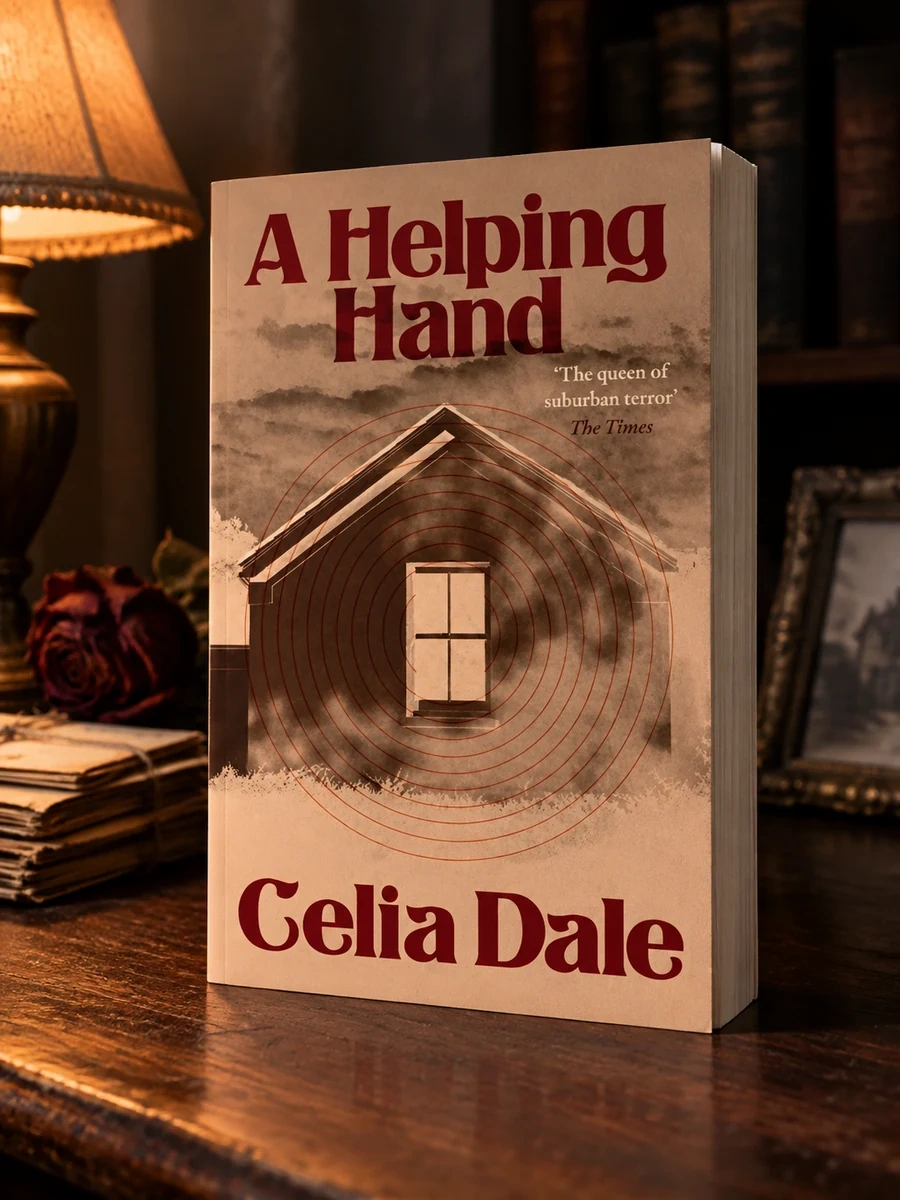

A Helping Hand
A 1966 psychological thriller about a couple hosting a wealthy elderly woman in Italy.
The narrative centers on Josh and Maisie Evans, who invite Mrs. Fingal to stay after meeting her during their Italian holiday. Her presence disrupts their peace, revealing the dark side of hospitality. Dale uses the setting to amplify feelings of isolation and entrapment. The plot unfolds through the gradual erosion of the couple’s control over their home. This approach highlights the vulnerability of those who offer help without understanding the recipient's true nature. The story does not rely on supernatural monsters but on human malice disguised as need. It challenges the assumption that wealth and age guarantee safety or gratitude. The tension arises from the daily interactions between the hosts and their guest, turning a simple act of charity into a nightmare.
Published in 1966 by Valancourt Books, this work sits within the tradition of British psychological horror. It reflects mid-century anxieties about hospitality and social obligation. The novel bridges the gap between classic gothic fiction and modern domestic suspense, focusing on the terror found in everyday relationships rather than external threats.


📝 Description: A Helping Hand
💎 Our verdict on A Helping Hand
📖 Why choose it
Why this book is worth reading
Readers who appreciate psychological depth and slow-burning suspense over graphic violence will find this book rewarding. It appeals to those interested in mid-twentieth-century British horror literature, particularly those drawn to tales where kindness masks danger. The narrative offers a chilling exploration of human malice disguised as need, challenging assumptions about wealth and age. By focusing on the quiet menace of everyday life rather than overt horror, it provides a unique reading experience for fans of domestic terror who enjoy tension built through character interaction and isolation rather than action or gore.
⭐ Reader reviews
Reader rating
Celia Dale crafts a potent example of psychological terror that relies on subtle tension rather than overt horror. The narrative effectively uses the setting to amplify feelings of isolation and entrapment, turning a simple act of charity into a nightmare. Critics have praised the accuracy reminiscent of Jane Austen combined with murder, highlighting Dale’s skill in domestic terror. This book suits readers who appreciate psychological depth and slow-burning suspense. It is best for those interested in mid-twentieth-century British horror literature rather than fast-paced action or explicit gore, offering a chilling look at the dark side of hospitality without relying on supernatural monsters.
📖 Read on the blog
🏛 Books from this publisher Valancourt Books


You might also like
See more →



Have a question about this item?
Ask about the edition, condition, delivery or anything else — we reply by email or phone, usually within a day.
