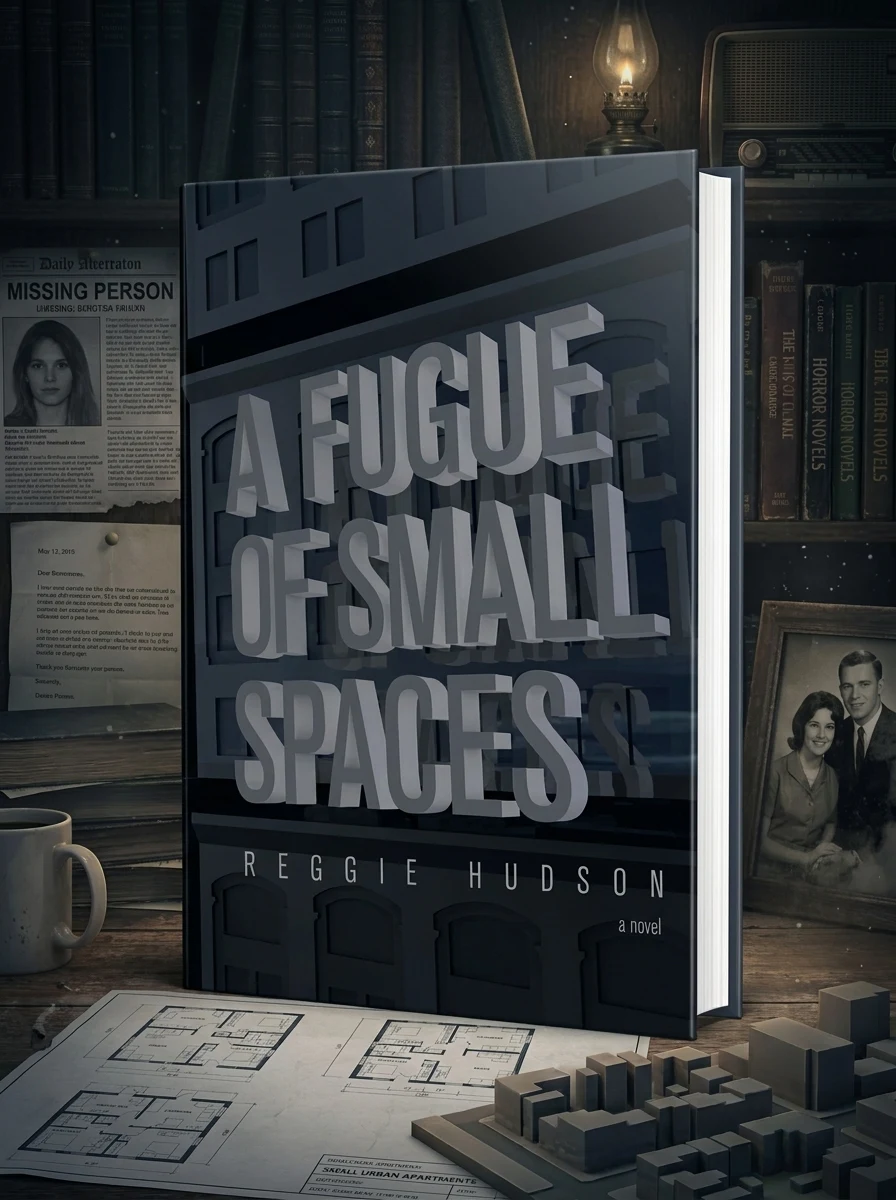
A Fugue of Small Spaces
A psychological horror tale about guilt, haunted apartments, and mental unraveling.
Lexington’s attempt to normalize his existence is thwarted by the weight of past accusations. He finds temporary refuge in a city apartment, yet the confined space becomes a source of terror rather than comfort. The narrative focuses on the intersection of external judgment and internal collapse. Hudson uses the setting of a renovated building with a hidden history to amplify Lex’s isolation. The presence of helpful figures like the old super adds layers of uncertainty to the supernatural events. The story does not rely on jump scares but on the creeping dread of losing one's grip on reality. It is a study of how trauma can warp perception, making the familiar feel alien and threatening.
This 2021 release by All Caps fits within the contemporary American horror tradition of psychological dread. It reflects modern anxieties about reputation and social isolation, using the gothic trope of the haunted home to explore personal trauma rather than historical curses.


📝 Description: A Fugue of Small Spaces
💎 Our verdict on A Fugue of Small Spaces
📖 Why choose it
Why this book is worth reading
Readers who appreciate nuanced explorations of trauma and paranoia will find resonance in this narrative. It appeals to those who prefer atmospheric dread over visceral shocks, offering a deep dive into the protagonist's fracturing psyche. The book is ideal for audiences interested in how guilt and external judgment warp perception, creating a sense of alienation from the familiar. By focusing on the internal landscape rather than action, it provides a meditative yet unsettling experience. Those who enjoy ambiguous endings and literary horror that prioritizes mood and psychological depth over clear resolutions will gain significant satisfaction from this study of mental collapse.
⭐ Reader reviews
Reader rating
Hudson crafts a compelling portrait of isolation, using the claustrophobic setting to mirror Lexington’s internal decay. The narrative excels in building creeping dread through subtle supernatural elements and the unreliable nature of the protagonist's perception. It effectively blends Gothic traditions with psychological insight, avoiding cheap jump scares in favor of lingering unease. This approach suits readers who favor slow-burn tension and complex emotional landscapes. However, those seeking definitive answers or fast-paced thrills may find the ambiguity frustrating. The book is a strong entry for fans of literary horror who value atmospheric depth and the terrifying power of guilt over conventional plot structures.
You might also like
See more →







Have a question about this item?
Ask about the edition, condition, delivery or anything else — we reply by email or phone, usually within a day.
