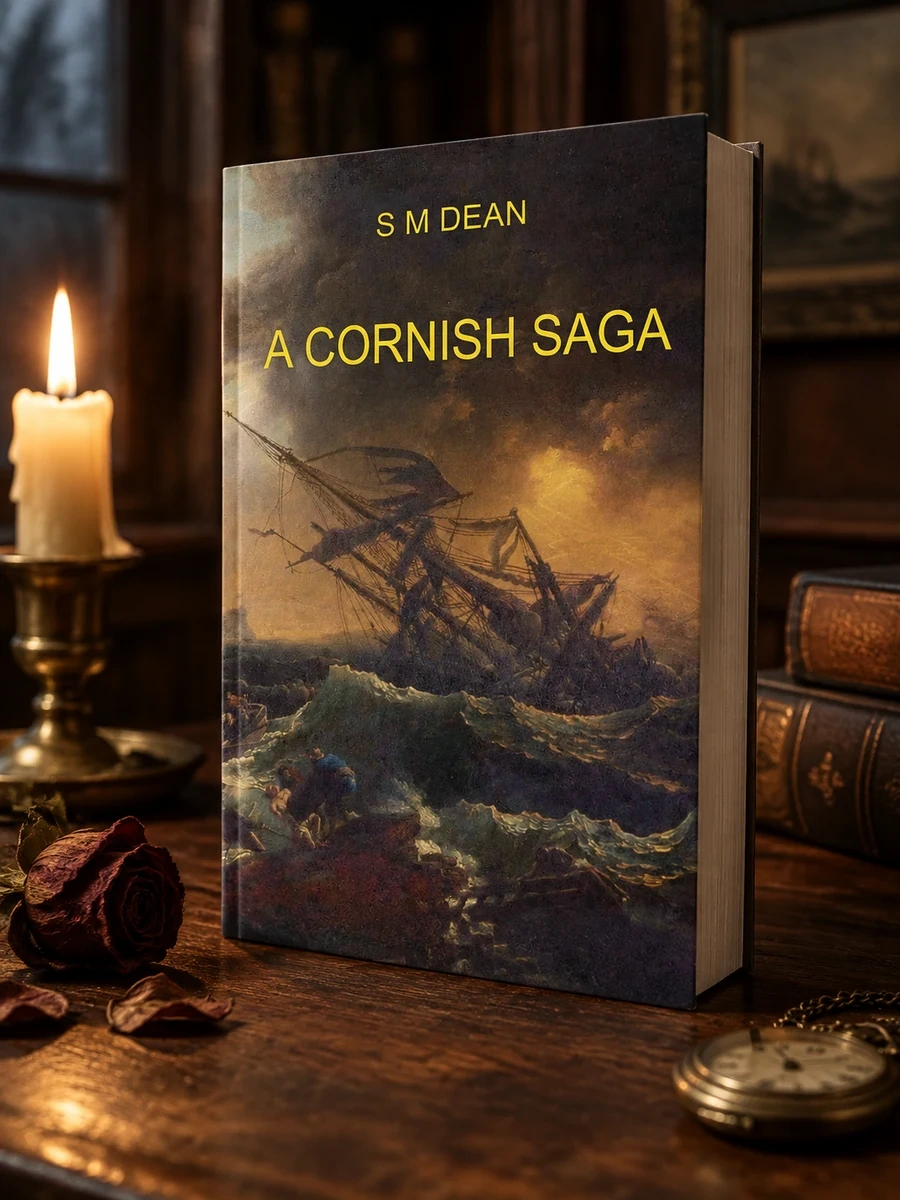
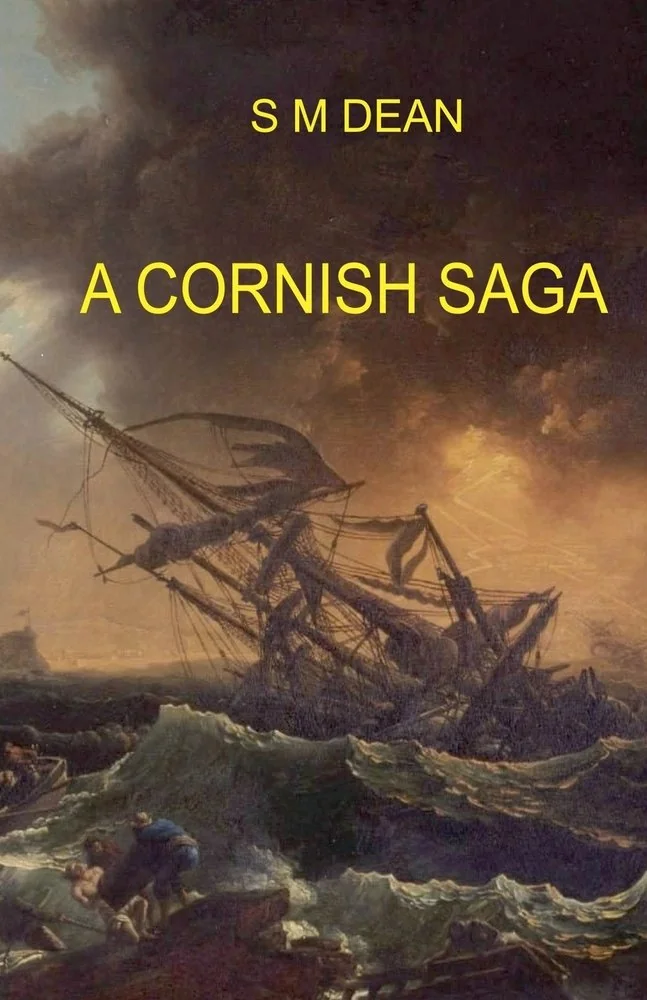
A Cornish Saga
A historical horror novel set in Cornwall's declining tin mining industry.
Dean focuses on the intersection of economic failure and supernatural terror in St Keverne. As tin prices fell, miners struggled to survive near the dangerous Manacles reef. The narrative traces how this desperation fueled greed, ultimately triggering a horrific event tied to the coast’s maritime dangers. The book uses the historical context of imported metals to explain the social unrest and subsequent tragedy.
The work is set in nineteenth-century Cornwall, specifically on the east coast near St Keverne. It addresses the period when foreign metal imports caused tin values to drop, making deep-ground mining unprofitable for local workers.


📝 Description: A Cornish Saga
💎 Our verdict on A Cornish Saga
📖 Why choose it
Why this book is worth reading
Readers drawn to atmospheric horror rooted in historical realism will find profound value here. It appeals to those interested in how economic desperation fuels supernatural dread, offering a grim portrait of life near the Manacles reef. The book is ideal for fans who appreciate slow-burn narratives where social unrest and maritime danger intertwine. It provides a unique lens on industrial decline, making it suitable for history buffs who enjoy fiction that explores the psychological impact of poverty and greed without relying on modern tropes or fast-paced action.
⭐ Reader reviews
Reader rating
Stephen M Dean crafts a compelling narrative that effectively merges economic collapse with cosmic horror in nineteenth-century Cornwall. The author succeeds in establishing a palpable sense of dread through the stark realities of mining failure and the perilous coastal environment. By focusing on St Keverne and the Manacles reef, Dean creates a vivid backdrop where human greed meets ancient maritime threats. This approach suits readers who prefer psychological depth over jump scares. The text is well-suited for those seeking a thoughtful exploration of tragedy arising from industrial change, offering a chilling yet grounded perspective on how livelihoods were precarious and the sea remained both provider and threat.
You might also like
See more →







Have a question about this item?
Ask about the edition, condition, delivery or anything else — we reply by email or phone, usually within a day.
