A Colder Home
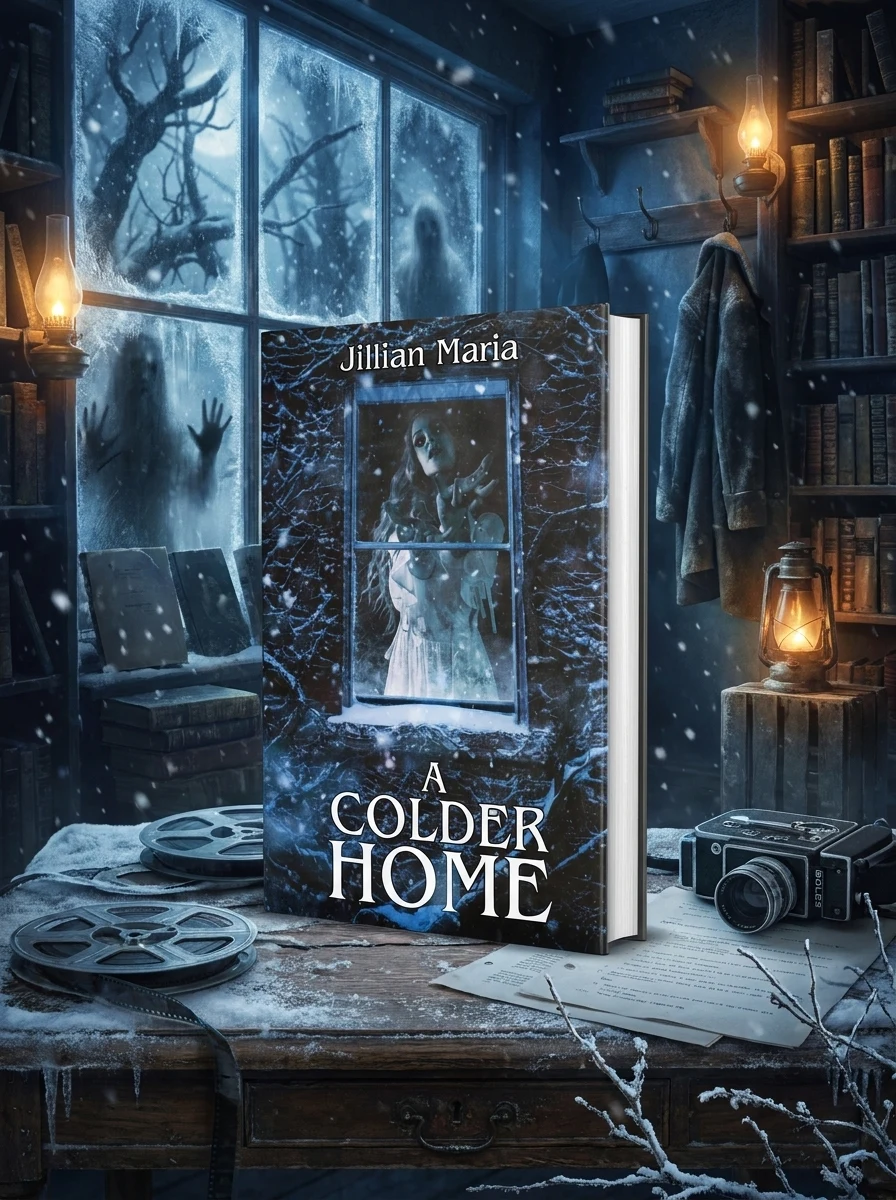
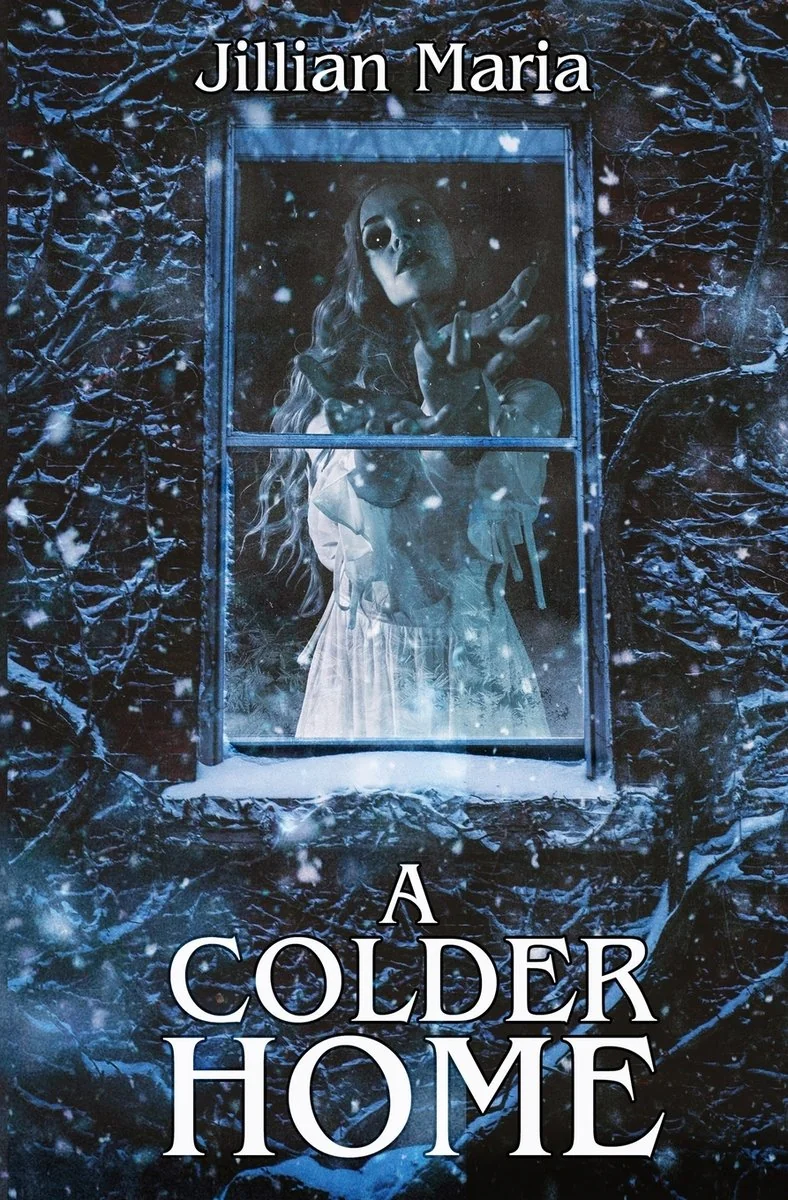
A cinematographer films ghosts in a snowbound house with a tragic past.
This narrative follows Cleo Moss as she attempts to direct a film in isolation. Her cousin Noah pushes her to overcome her three-year hiatus after her father's death. The setting is a remote house trapped by a blizzard. Cleo encounters Isobel, her former crush, and strange shadows in her viewfinder. These images become dangerous specters that endanger the cast. The plot focuses on Cleo's emotional connection to the ghosts and their similarity to her own history. It explores how grief manifests in supernatural ways. The story relies on tension between personal trauma and external horror elements.
This work fits within contemporary American horror fiction. It draws on the tradition of isolated setting narratives where characters face internal demons alongside external threats. The story reflects modern anxieties about creative block and unresolved family trauma. It uses the blizzard as a classic gothic device to trap characters in their pasts.


📝 Description: A Colder Home
💎 Our verdict on A Colder Home
📖 Why choose it
Why this book is worth reading
Readers who appreciate slow-burn psychological horror and complex explorations of grief will find this narrative compelling. It offers a unique perspective on how trauma manifests supernaturally, particularly through the lens of art and observation. The confined setting of a snowbound house amplifies the tension between personal history and external threats. Those interested in the mechanics of filmmaking as a plot device may also enjoy the meta-commentary on capturing fear. However, it is essential to note that the story prioritizes emotional resonance and lingering ambiguity over clear resolutions or fast-paced action. It is best suited for those comfortable with unsettling atmospheres and character-driven dread.
⭐ Reader reviews
Reader rating
Jillian Maria delivers a tightly wound tale where grief and ghostly presence intertwine seamlessly. The protagonist’s journey through isolation and technical failure creates a palpable sense of claustrophobia. The narrative excels in building tension through the viewfinder, making the act of watching itself dangerous. While the lack of definitive resolution may frustrate some, it serves the thematic focus on unresolved trauma. The book is ideal for fans of atmospheric horror who prioritize mood and character development over traditional plot arcs. It succeeds as a poignant study of loss, wrapped in a chilling supernatural framework that lingers long after the final shadow fades.
You might also like
See more →







Have a question about this item?
Ask about the edition, condition, delivery or anything else — we reply by email or phone, usually within a day.
