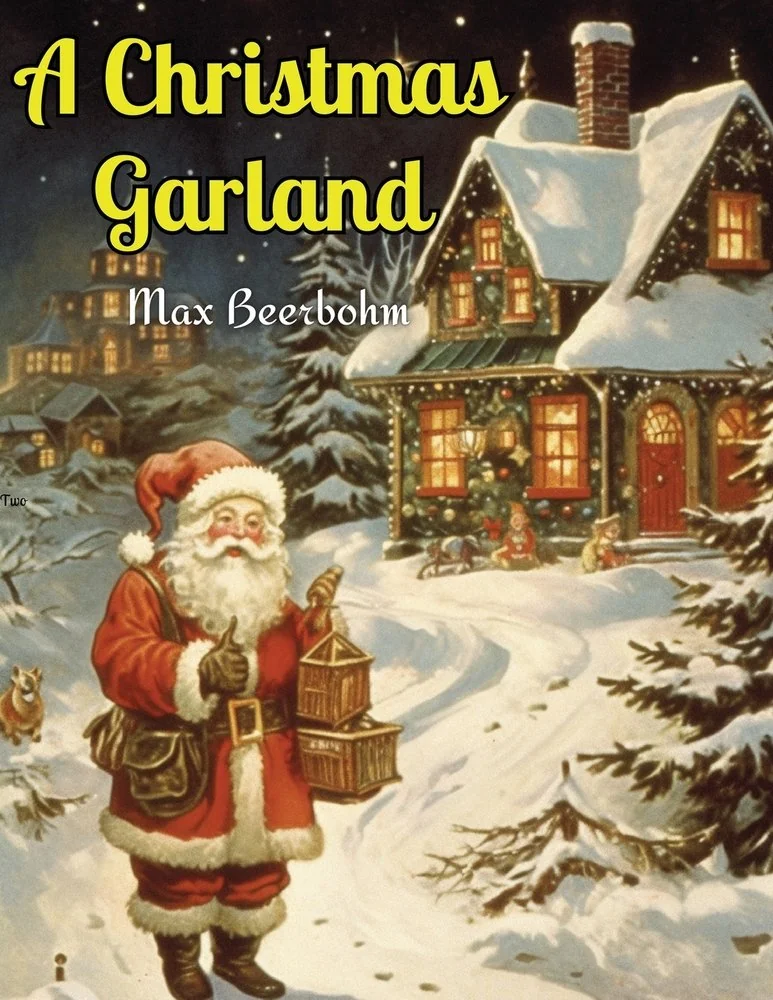
A Christmas Garland
Max Beerbohm's 1912 satirical collection of Christmas stories and essays.
This volume compiles short stories and essays that examine the holiday season through satire. Beerbohm uses his expertise as a humorist to critique and celebrate Christmas traditions simultaneously. The text avoids standard festive tropes in favor of ironic commentary. It reflects the cultural atmosphere of 1912 England while offering enduring wit. The collection is organized to provide varied perspectives on the same subject. Each piece contributes to a broader understanding of the author’s unique voice. Readers gain insight into early twentieth-century attitudes toward celebration and social ritual.
Published in 1912, this work reflects early twentieth-century English literary humor. Beerbohm’s background as a caricaturist influences the sharp, visual nature of his prose. The collection captures the cultural mood of its time through ironic commentary on holiday customs.


📝 Description: A Christmas Garland
💎 Our verdict on A Christmas Garland
📖 Why choose it
Why this book is worth reading
This volume appeals to readers who appreciate literary humor and unconventional takes on classic holidays rather than seeking heartwarming or religiously focused Christmas tales. Those interested in the quirkier side of seasonal literature will find value in its satirical tone. Beerbohm’s background in caricature informs a sharp, observational approach that critiques traditions while celebrating them simultaneously. The collection offers enduring wit and ironic commentary on social rituals. It provides a unique window into early twentieth-century attitudes toward celebration. Readers who enjoy satire and witty commentary will gain insight into the author’s distinctive voice. It serves as a charming alternative for those weary of standard festive tropes, offering intellectual amusement through clever wordplay and keen observations.
⭐ Reader reviews
Reader rating
Max Beerbohm presents a distinct perspective on the holiday season through short stories and essays that blend wit with satire. His prose relies on clever wordplay and keen observations rather than traditional sentimentality. The work introduces irony into the depiction of Christmas traditions, creating a whimsical yet critical view of the festivities. It captures the spirit of Christmas through a lens that prioritizes intellectual amusement over emotional warmth. This book suits readers who enjoy literary humor and unconventional takes on classic holidays. Those seeking heartwarming tales may find the satirical tone less suitable. However, for those interested in the quirkier side of seasonal literature, it stands as a notable example of early twentieth-century humor writing that offers enduring cultural insight.
You might also like
See more →







Have a question about this item?
Ask about the edition, condition, delivery or anything else — we reply by email or phone, usually within a day.
