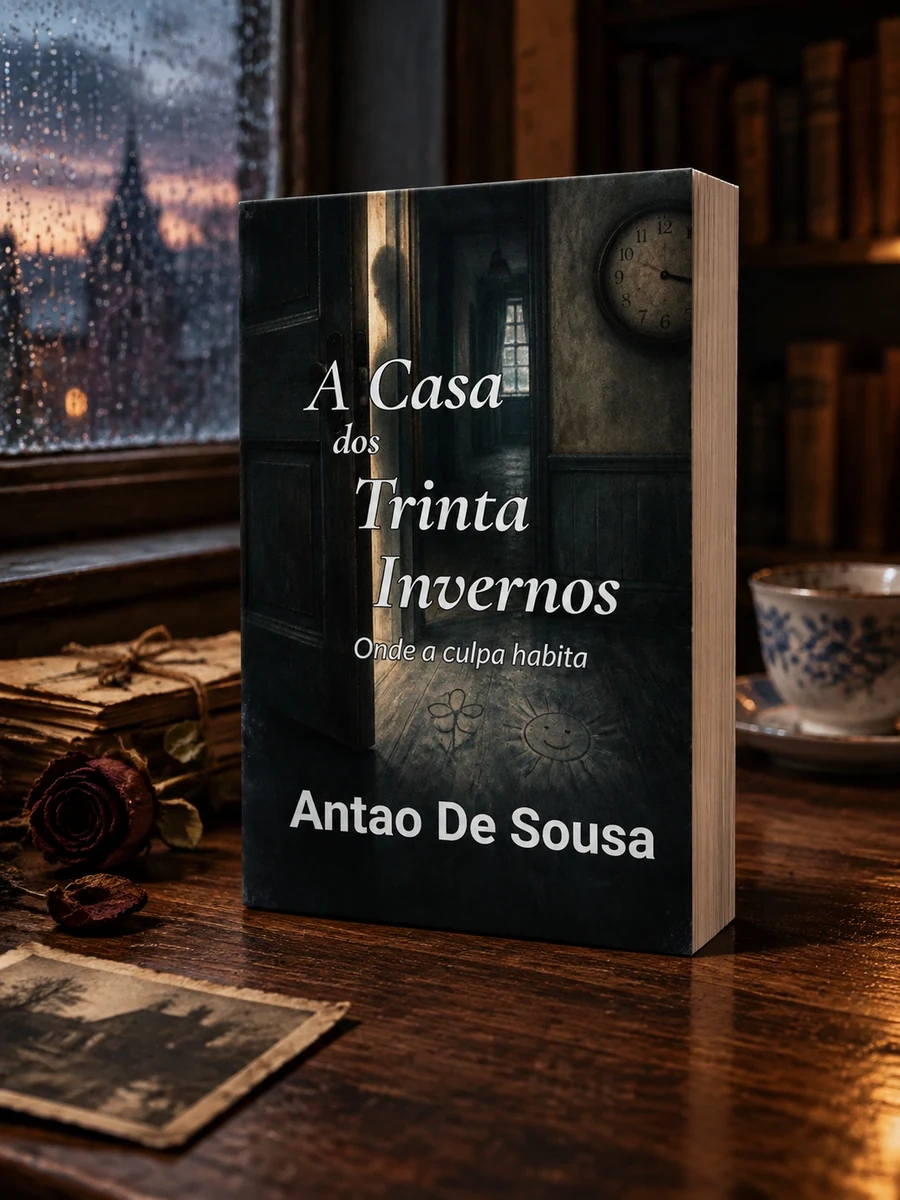
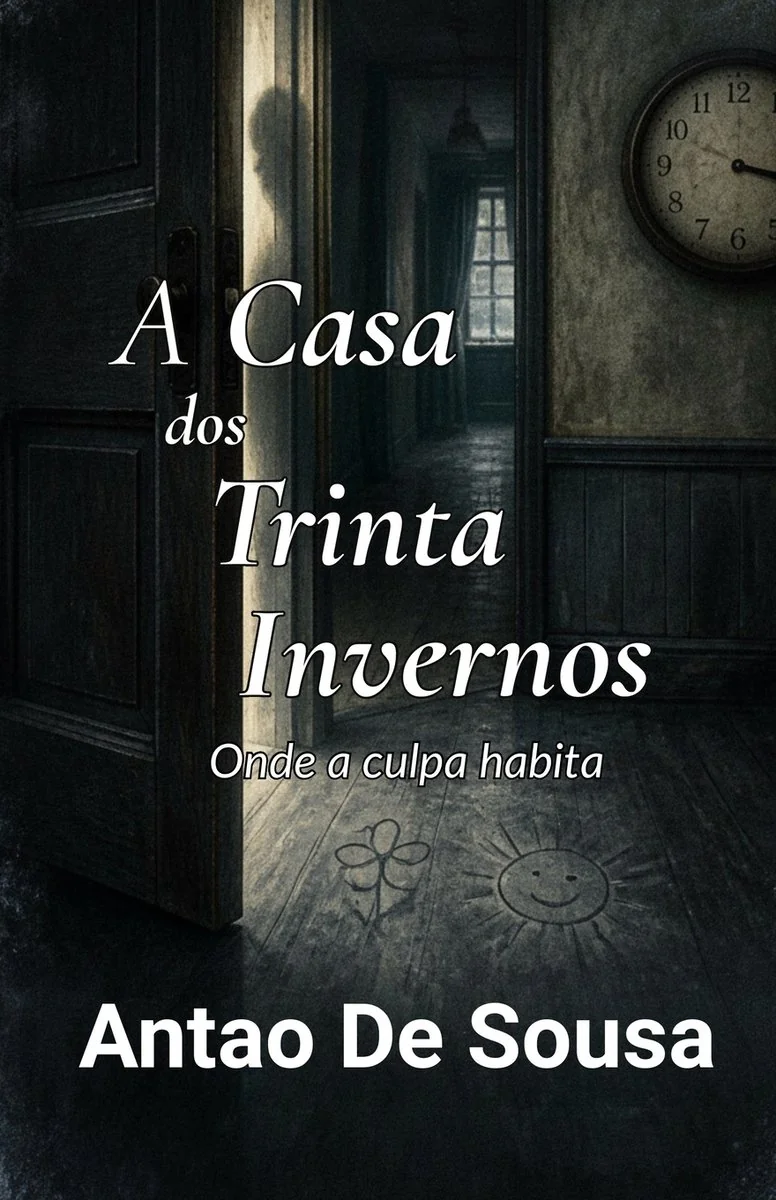
A Casa dos Trinta Invernos: Onde a culpa habita
A man returns to his home to face the ghosts of his own forgotten memories.
The narrative follows a man who lived in a house for thirty winters, building emotional barriers instead of connections. When he attempts to depart, the house compels him to return and remember everything he chose to forget. He must confront the reality of a non-existent person, a child yet to be born, and a lost love. The story questions whether these events were real or mere dreams. It suggests that madness is just another version of truth. The protagonist walks through his own mind, finding only a mirror at the end. This structure emphasizes internal conflict over external plot points.
The text is published by Independently Published in 2026. It draws on traditions of psychological suspense and gothic fiction, focusing on the supernatural elements of the mind rather than traditional horror tropes.


📝 Description: A Casa dos Trinta Invernos: Onde a culpa habita
💎 Our verdict on A Casa dos Trinta Invernos: Onde a culpa habita
📖 Why choose it
Why this book is worth reading
Readers who appreciate introspective horror and narratives that prioritize psychological unraveling over external monsters will find this book compelling. It appeals to those interested in the unreliability of memory and the heavy weight of guilt. The story offers a unique exploration of madness as a form of truth, guiding readers through a dreamlike journey into the protagonist's mind. For fans of gothic fiction that focuses on internal conflict rather than supernatural spectacle, this text provides a chilling study of self-confrontation. Those who enjoy ambiguous endings and philosophical questions about reality versus delusion will gain a profound sense of unease and reflection from this experience.
⭐ Reader reviews
Reader rating
Antao de Sousa crafts a tense psychological suspense narrative that blurs the lines between dream and madness effectively. By forcing the protagonist to confront forgotten truths within a house that demands his return, the author creates an atmosphere of claustrophobic dread. The text excels in portraying internal conflict, using the setting as a metaphor for emotional barriers. This approach suits readers who enjoy gothic fiction focused on psychological unraveling rather than action. While those seeking clear resolutions may find the tone frustrating, fans of introspective horror will appreciate the nuanced exploration of guilt and memory. The mirror ending underscores the theme of self-confrontation, making this a potent study in internal fear.
📖 Read on the blog
🏛 Books from this publisher Independently Published








You might also like
See more →
Have a question about this item?
Ask about the edition, condition, delivery or anything else — we reply by email or phone, usually within a day.
