22 Dutch Road
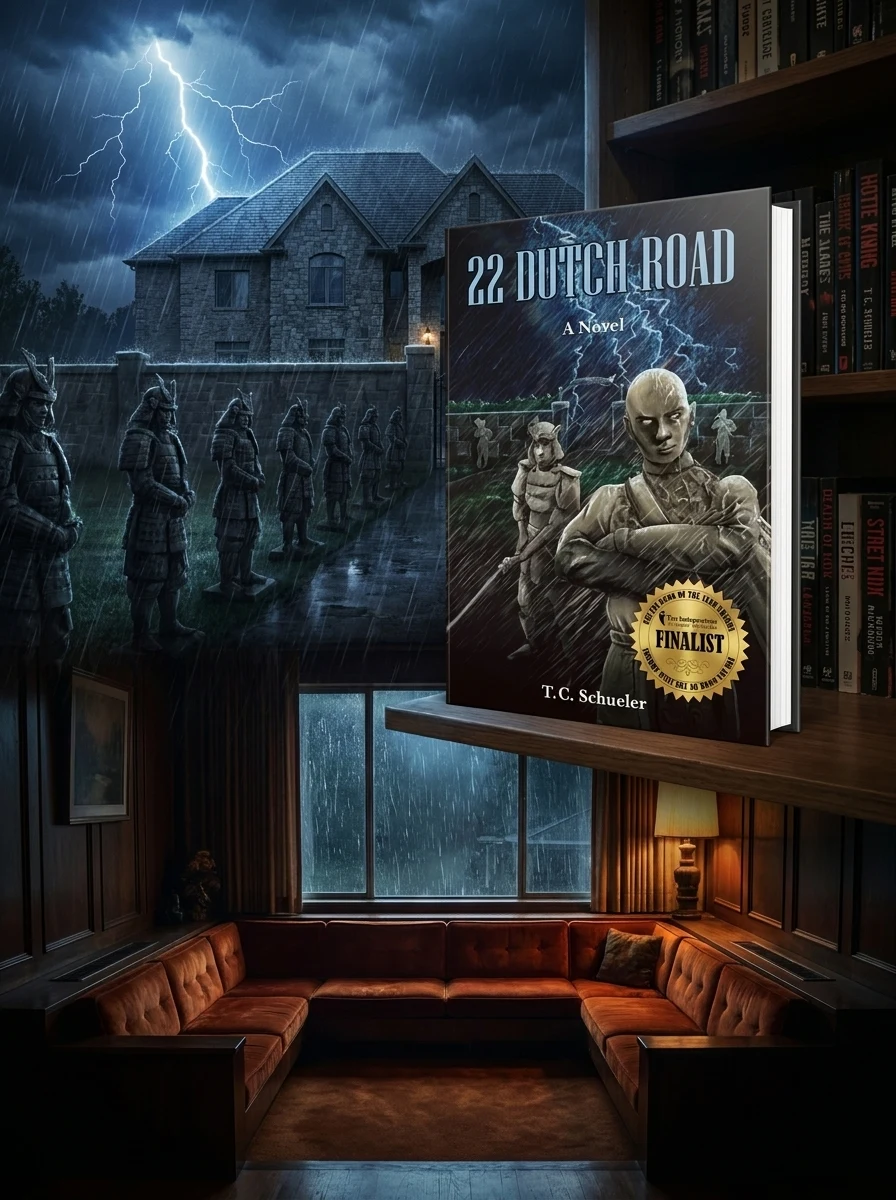
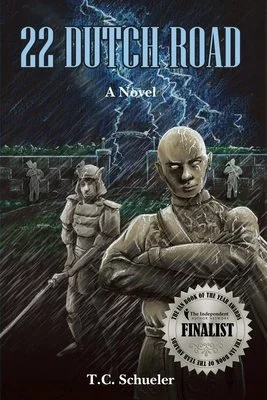
A son investigates his father's haunted estate filled with moving statues.
The narrative centers on Billy Buchanan, who arrives at a family home to collect money. He encounters strange architectural changes and numerous sculptures that defy explanation. The story explores themes of grief, denial, and the supernatural intrusion into mundane life. Schueler uses the setting of 22 Dutch Road to create an atmosphere of creeping dread. The protagonist’s belief that the carvings communicate adds a layer of psychological horror. The text avoids explicit exposition about the statues' origins, leaving the mystery intact. This approach appeals to fans of slow-burn supernatural fiction who appreciate atmospheric tension over jump scares.
This work emerged in the United States during the early twenty-first century. It reflects contemporary independent publishing trends through its direct release format. The story engages with American gothic traditions by placing supernatural elements within a suburban McMansion setting.


📝 Description: 22 Dutch Road
💎 Our verdict on 22 Dutch Road
📖 Why choose it
Why this book is worth reading
This novel is ideal for readers who appreciate atmospheric tension over immediate thrills, offering a deep dive into the intersection of grief and the supernatural. Those drawn to stories where mundane life is invaded by inexplicable events will find value in the protagonist’s deteriorating sanity. The narrative appeals to fans of psychological horror who enjoy ambiguity and slow-burn dread rather than jump scares. Readers interested in how physical settings, like decaying estates, mirror internal psychological states will engage with the text. It suits those who prefer unexplained mysteries over clear magical systems or fast-paced action, providing a tightly focused experience on isolation and family secrets.
⭐ Reader reviews
Reader rating
Schueler effectively constructs an atmosphere of creeping dread through the protagonist's isolation at a gaudy McMansion filled with fierce statues. The narrative succeeds by blending realistic estate disputes with eerie phenomena, leaving the mystery of the carvings intact for maximum impact. The slow-burn approach creates significant tension, appealing to those who enjoy psychological horror grounded in domestic decay. However, readers seeking clear answers or fast-paced action may find the ambiguity frustrating. The text relies on the progression of the protagonist's mental state rather than traditional structure, which enhances the eerie tone but limits accessibility for some. It is a strong recommendation for fans of gothic traditions and unresolved family trauma.
📖 Read on the blog
🏛 Books from this publisher Independently Published








You might also like
See more →
Have a question about this item?
Ask about the edition, condition, delivery or anything else — we reply by email or phone, usually within a day.
