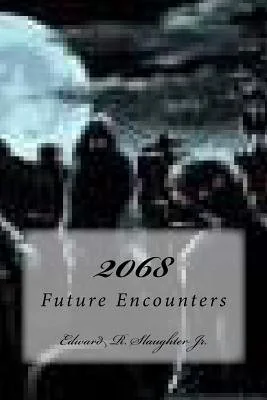
2068
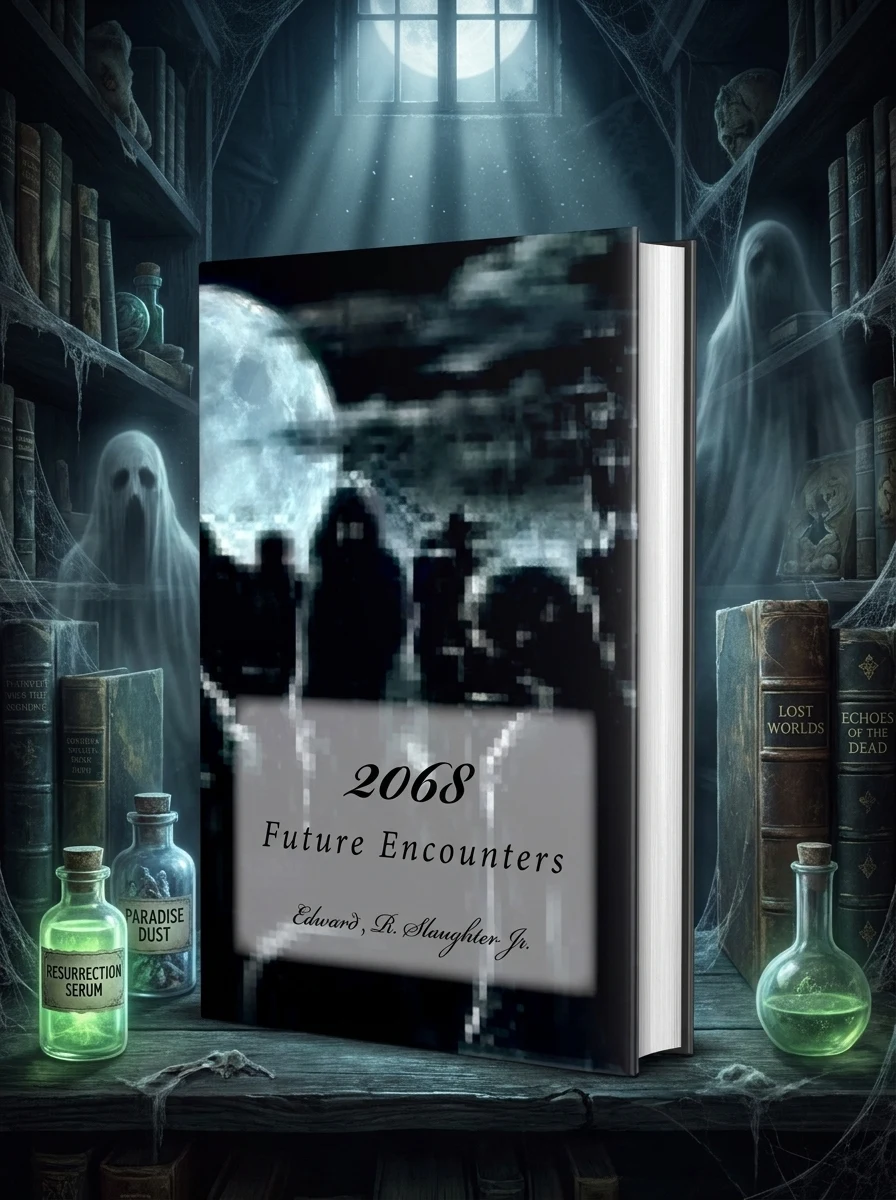
A 2013 speculative fiction work exploring a future of undead return and undiscovered paradises.
Slaughter constructs a narrative that merges horror tropes with futuristic exploration. The text focuses on the return of the dead and the discovery of new worlds. It positions these elements as crucial to the survival and advancement of mankind. The author uses the metaphor of a crystal ball to frame this vision. The work is organized around these central speculative questions rather than a traditional plot structure. It offers a fast-paced look at potential future events. The content relies on the premise that supernatural occurrences will drive human history forward. This approach creates a unique blend of gothic fear and adventurous hope.
Published in 2013 by Createspace Independent Publishing Platform, this work sits within the tradition of speculative horror fiction. It reflects early twenty-first-century anxieties about the future and the supernatural. The book offers a distinct perspective on how horror elements might evolve in a futuristic context.


📝 Description: 2068
💎 Our verdict on 2068
📖 Why choose it
Why this book is worth reading
Readers who enjoy speculative fiction that merges horror tropes with futuristic exploration will find this book compelling. It appeals to those interested in how supernatural elements might reshape human history and society. The text offers a unique blend of gothic fear and adventurous hope, framing the return of the dead as a catalyst for advancement. Those seeking a fast-paced look at potential future events, rather than traditional plotting, will appreciate its intense, direct approach. It is ideal for fans who enjoy imagining worlds where the boundary between living and deceased dissolves, providing a thrilling peek into a tomorrow defined by macabre possibilities.
⭐ Reader reviews
Reader rating
Slaughter delivers a concise yet intense vision of a future where supernatural occurrences drive human history forward. The book excels in blending gothic horror with futuristic adventure, using the metaphor of a crystal ball to frame its speculative questions. It avoids strict scientific realism, instead offering a direct path into a world where the impossible becomes possible. This approach creates a unique tone of adventurous hope amidst macabre themes. The narrative is fast-paced and focuses on central speculative ideas rather than complex character arcs. It suits readers who enjoy imagining how undiscovered paradises and the return of the dead might influence mankind's survival. While not for those preferring contemporary realistic fiction, it offers a thrilling, thought-provoking glimpse into potential existential shifts.