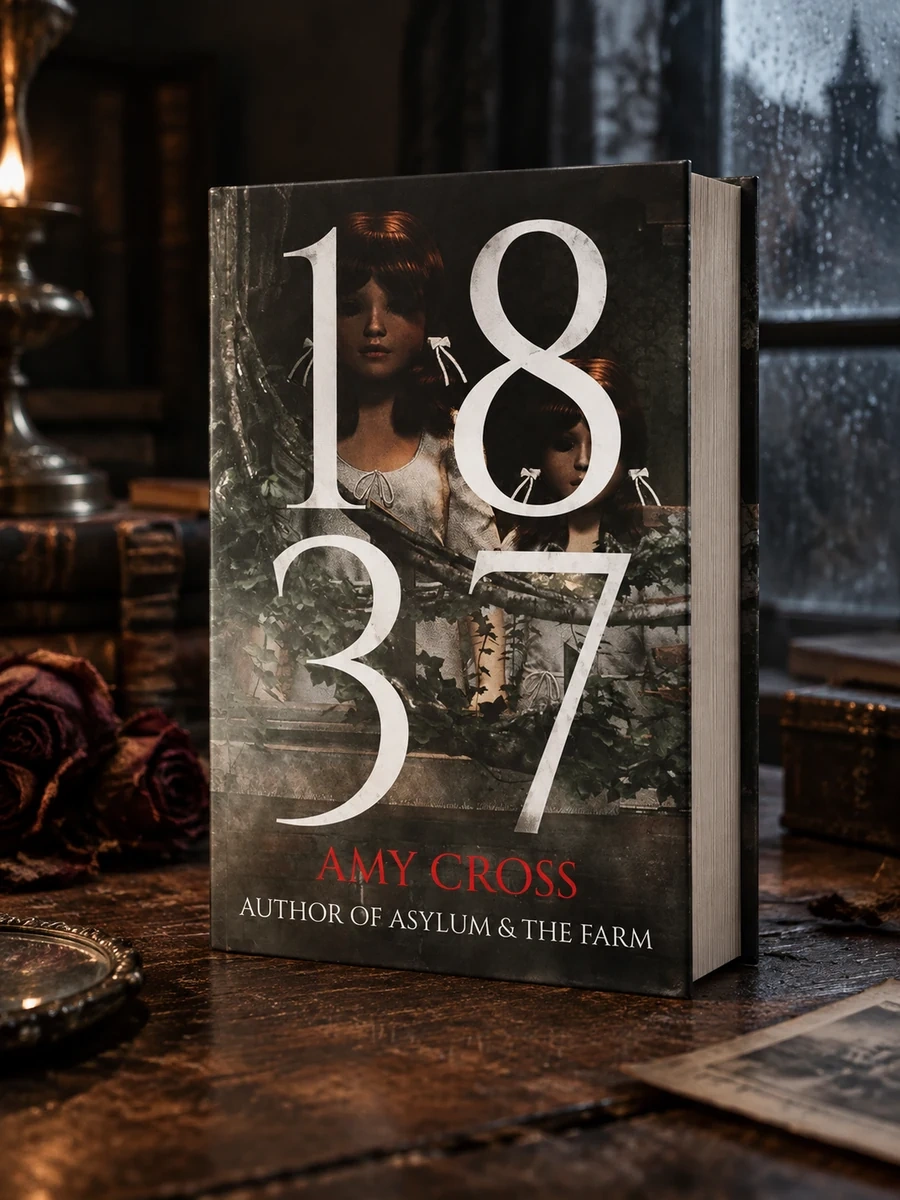
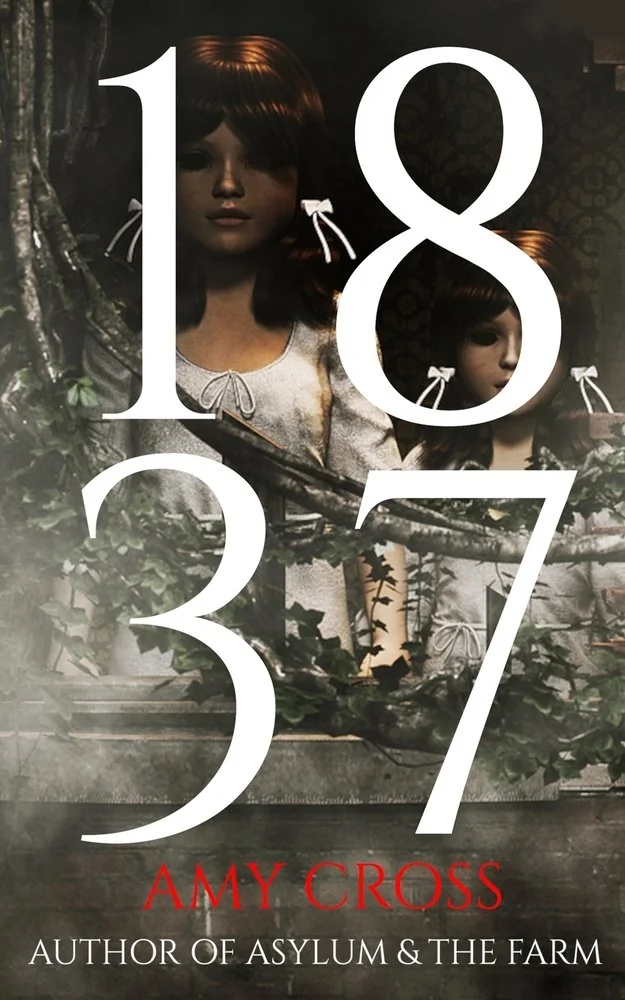
1837
A wealthy family restores haunted ruins in this fifth installment of the Haunting of Hadlow House series.
The narrative centers on a wealthy family buying the ruins of Hadlow House to build a retreat. They intend to restore the property but encounter strange activity in the shadows. Their own dark secrets surface during the renovation process. A horrifying tragedy rocks the family, questioning if they can be saved. The house continues its pattern of claiming victims across different eras. This entry maintains the series focus on one location over time. It emphasizes the connection between the family's history and the haunting. The plot moves from restoration efforts to supernatural confrontation. Cross uses the 1837 setting to explore how past sins influence present realities. The story does not offer easy escapes for its characters.
This book sits within the American horror market as part of a five-book series spanning centuries. It targets readers interested in gothic fiction and supernatural tales centered on specific locations. The work is published independently, reflecting the modern landscape of digital publishing for genre fiction enthusiasts.


📝 Description: 1837
💎 Our verdict on 1837
📖 Why choose it
Why this book is worth reading
Readers who enjoy intricate, multi-generational haunted house sagas will find this installment compelling for its deep dive into the Haunting of Hadlow House series. It is particularly suited for those who appreciate the gothic tradition where a property itself serves as a malevolent force. Fans of psychological horror that examines how lineage and hidden secrets dictate fate will gain much from the tension between restoration efforts and supernatural confrontation. The book offers a satisfying continuation for long-time followers of this specific location's history, providing a dense exploration of how darkness persists across time without offering easy escapes for its characters.
⭐ Reader reviews
Reader rating
Cross delivers a potent entry in her established series by maintaining the rigorous focus on Hadlow House as a character in its own right. The narrative effectively blends gothic atmosphere with psychological dread, showing how the wealthy family’s renovation efforts are undermined by their own dark lineage. While continuity may challenge standalone readers, those invested in the saga will appreciate the consistent timeline of tragedies and ghosts. The work succeeds in its goal to show that past sins inevitably claim new victims, offering a chilling examination of generational curses. It is best suited for dedicated horror enthusiasts who value atmospheric depth and historical continuity over quick resolutions.