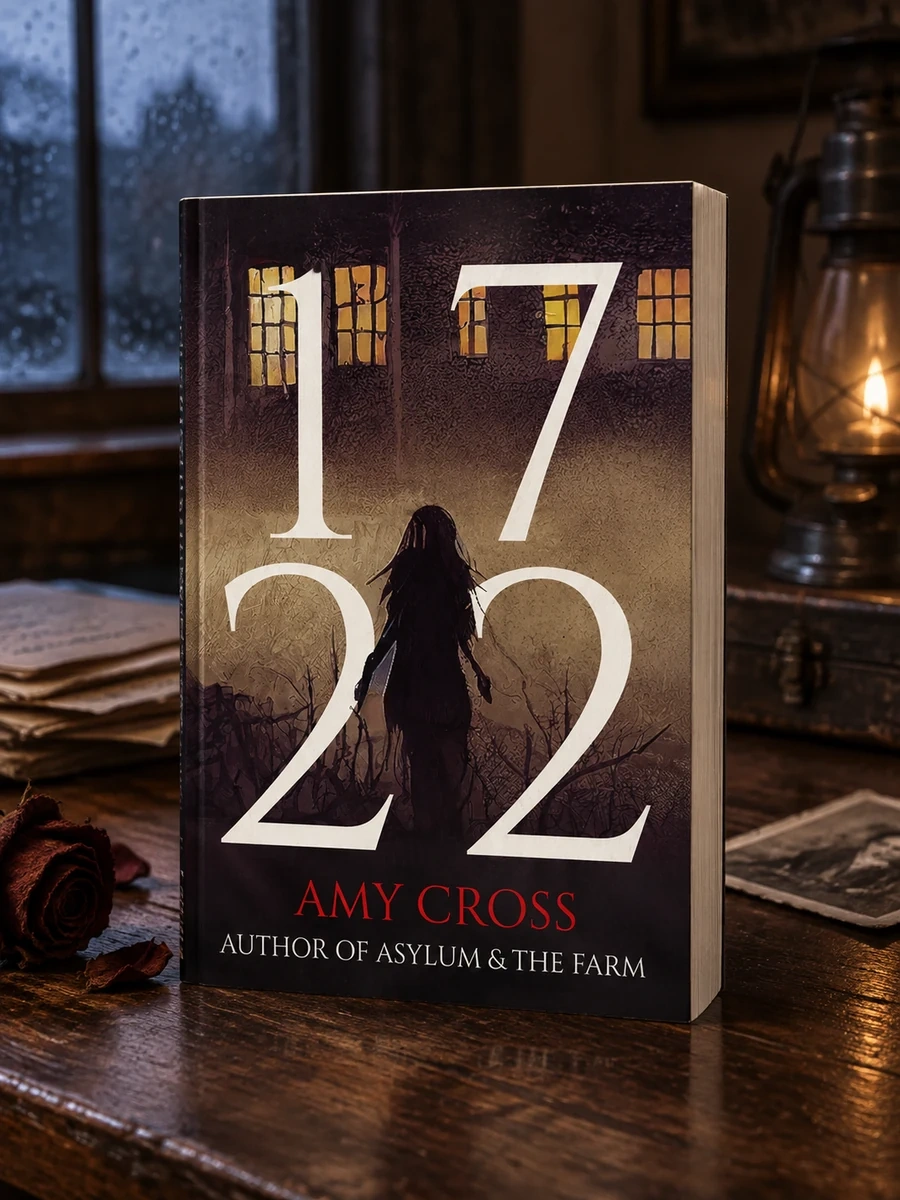
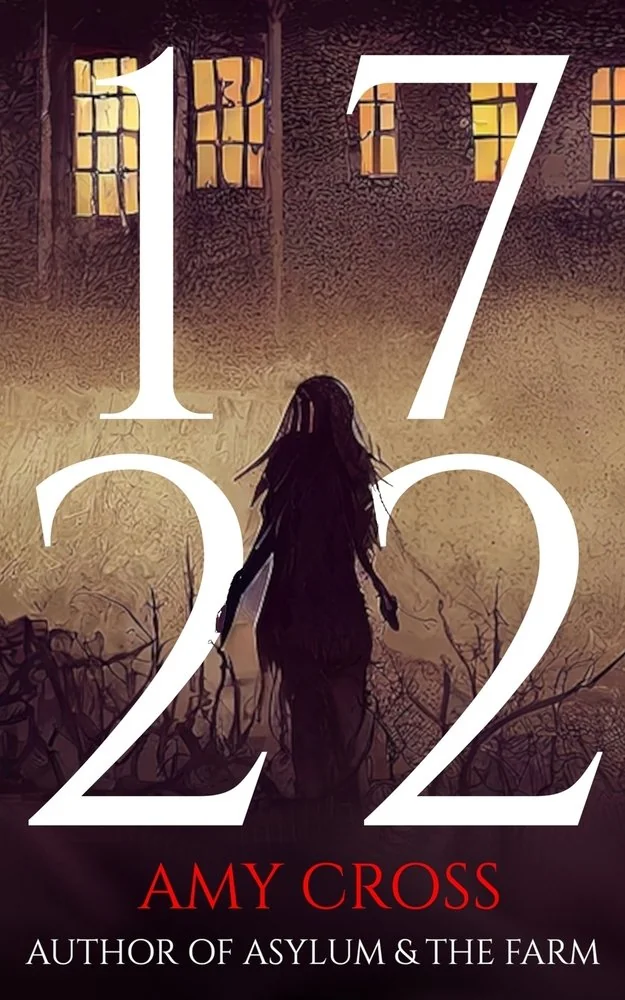
1722
Amy Cross continues the haunted history of Hadlow House with a new family facing its past.
The story focuses on the aftermath of the first book's events. A new household moves into the empty halls of Hadlow House. They soon discover that the silence was merely temporary. The house retains memories of its previous occupants and their fates. Cross uses this setting to show how the supernatural persists regardless of who lives there. The narrative does not rely on jump scares but on a slow build of dread. It connects the present day to the original construction period. This approach highlights the enduring nature of the curse affecting the property.
This book sits within the American independent publishing landscape, released in 2023. It belongs to a series that examines gothic horror through a long historical lens. The work draws on traditions of haunted estate fiction and multi-generational supernatural narratives.


📝 Description: 1722
💎 Our verdict on 1722
📖 Why choose it
Why this book is worth reading
Readers who appreciate the slow accumulation of dread over sudden shocks will find this novel deeply satisfying. It is ideal for those interested in how historical trauma lingers within physical spaces, offering a continuous thread of supernatural binding across eras. The book suits fans of gothic fiction who enjoy tracing the lives and souls connected to a single haunted property from its construction to modern times. Those seeking a narrative that relies on environmental atmosphere rather than isolated scares will appreciate the exploration of an estate eager to claim new victims. It provides a deep look at how multiple tragedies can coexist in one location, appealing to audiences who value psychological depth and historical continuity in their horror experiences.
⭐ Reader reviews
Reader rating
Amy Cross effectively extends the haunting legacy of Hadlow House, demonstrating that the supernatural persists regardless of who resides there. The narrative avoids reliance on jump scares, instead constructing a slow build of dread through the house's retention of memories from previous occupants. This approach highlights the enduring nature of the property's curse, connecting present-day events to its original construction period. The story is best suited for dedicated fans of gothic and historical horror who understand the importance of context within a series. While it offers a compelling examination of how past events linger in shadows, new readers are advised to begin with the first volume to grasp the full weight of the tragedy. The atmosphere is heavy with historical trauma, making it a rewarding experience for those invested in the long-term fate of haunted locations.