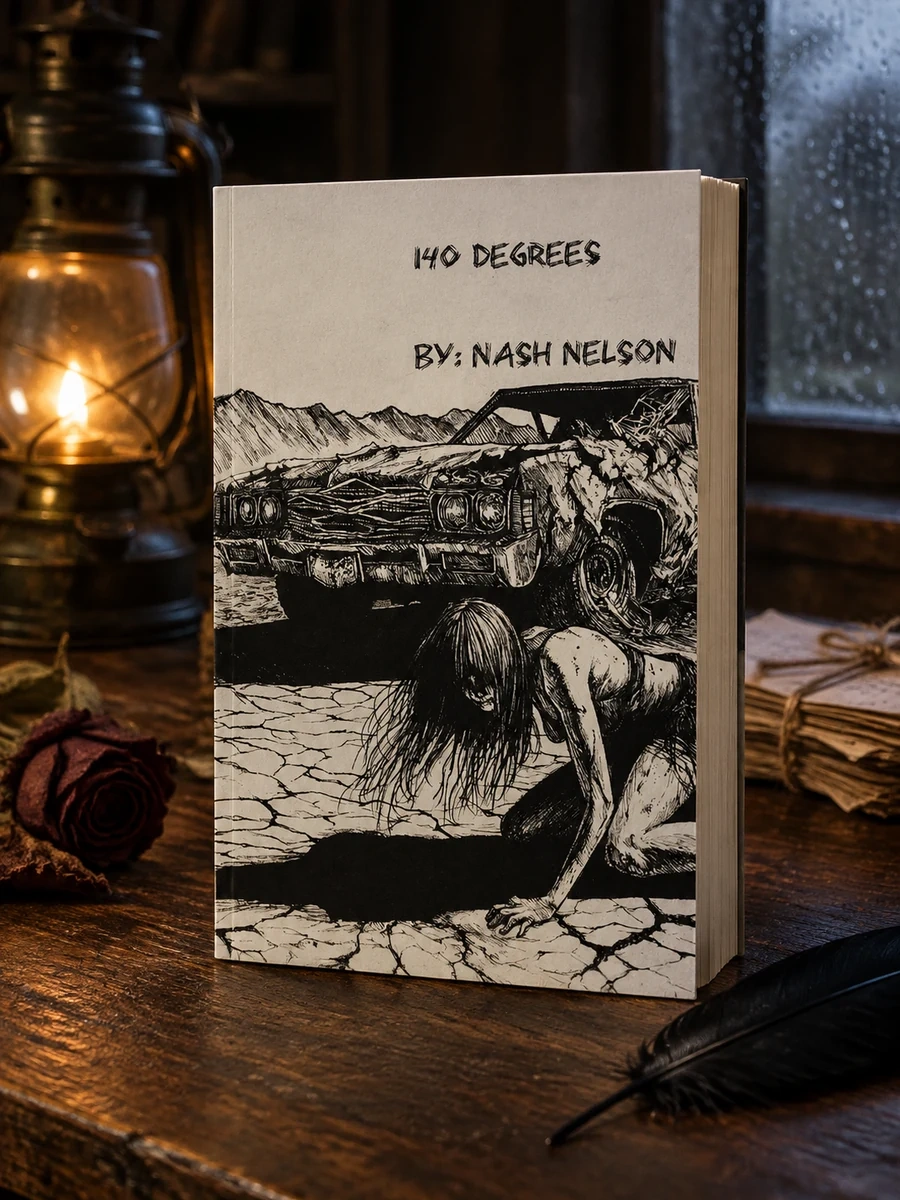
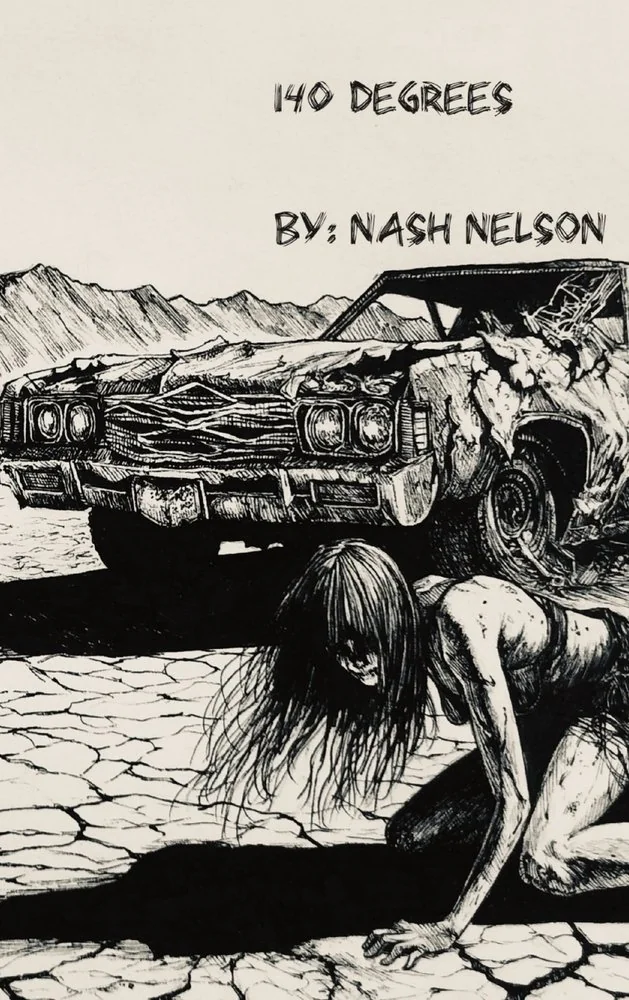
140 Degrees
A road trip to Las Vegas turns into a fight for survival in Death Valley.
The narrative follows Barry and his friends after their car crashes in Death Valley during a Spring Break trip. They face extreme heat with minimal supplies, forcing them to confront the harsh reality of being stranded in America's hottest region. The story emphasizes the physical and psychological strain of waiting for rescue while resources vanish. Nelson uses this setting to explore themes of isolation and human endurance under pressure.
The book is set in the United States, specifically referencing Las Vegas and Death Valley. It draws on the cultural trope of Spring Break vacations turning into nightmares. The setting relies on the real-world reputation of Death Valley as a dangerous, uninhabitable environment for unprepared travelers.


📝 Description: 140 Degrees
💎 Our verdict on 140 Degrees
📖 Why choose it
Why this book is worth reading
Readers who prefer grounded survival narratives over paranormal investigations will find this book compelling. It offers a tense exploration of human endurance under extreme physiological pressure. The narrative effectively demonstrates how ordinary vacation plans can collapse into life-threatening scenarios due to nature's indifference. Fans of realistic horror and psychological distress in isolated settings will appreciate the focus on dwindling resources and physical toll. The story avoids complex backstories or romantic subplots, keeping the attention strictly on the immediate crisis. This makes it an ideal choice for those seeking a straightforward, high-stakes thriller driven by environmental hostility rather than supernatural elements.
⭐ Reader reviews
Reader rating
Nash Nelson delivers a potent survival narrative that thrives on the stark reality of Death Valley’s extreme heat. The book excels in building suspense through the gradual depletion of resources and the escalating physical toll on stranded travelers. By replacing leisure with desperate survival, the text creates an immediate environmental threat that drives the plot forward. It suits readers who favor grounded horror over ghost stories or paranormal investigations. The focus remains tightly on the isolation of the desert setting and the failure of transportation. While it may not appeal to those seeking complex character backstories, it effectively captures the vulnerability of ordinary people against nature’s indifference. The tone is serious and unrelenting.
You might also like
See more →







Have a question about this item?
Ask about the edition, condition, delivery or anything else — we reply by email or phone, usually within a day.
