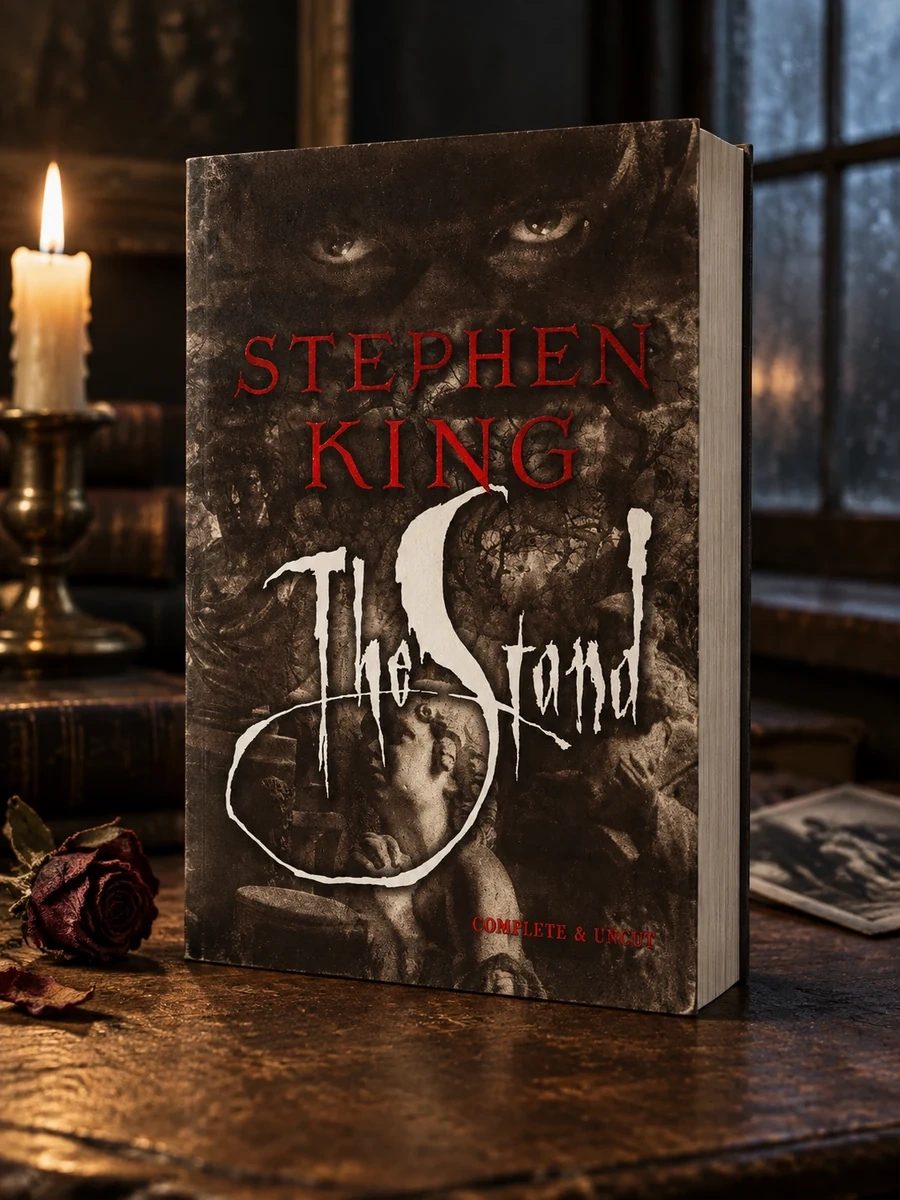
When a novel undergoes a massive restoration, the resulting text often redefines the author's original vision. This is precisely the case with the 1990 release of Stephen King’s expansive novel, The Stand, published by Doubleday Books. This specific edition restores one hundred fifty thousand words that were cut from the original 1978 manuscript. The result is a monumental work that thoroughly examines how society fractures when a deadly virus escapes containment. It sits firmly within the horror fiction and gothic traditions, bringing a heavy focus to biological warfare, good versus evil, and survival.
Priced in the mid-tier range for premium editions, this version does far more than just add padding to an already long story. King qualifies as a master of horror through this specific cut, using the restored material to offer greater depth than previous releases. Readers will find concrete details about the virus’s spread and the survivors’ psychological states. The text introduces new characters and deeper characterization, ultimately providing an expanded ending that gives specific resolution to the sprawling conflict. The narrative does not shy away from the grim reality of extinction, emphasizing the tension between hope and despair in a dying world.
With a reading difficulty listed as challenging, this is not a casual weekend read. The story organizes a vast cast of characters into opposing camps, each preparing for a final confrontation. Each side represents distinct moral forces in a world utterly stripped of order. By focusing on biological warfare themes and supernatural elements rather than historical realism, King crafts a scenario where the remnants of humanity are forced to choose allegiances in a barren, post-apocalyptic landscape.
What it is about
The text begins squarely at Hapscomb's Texaco on Number 93, north of the isolated community of Arnette. From this highly specific, quiet starting point, the narrative traces the rapid and catastrophic collapse of civilization after a bioweapon escapes a research facility. This mutating flu, notoriously known as Captain Tripps, wipes out the vast majority of humanity in a matter of weeks. The story relies heavily on these biological warfare themes, choosing the invisible threat of a mutating virus over traditional monsters to initiate the end of the world.
As the initial wave of death subsides, the novel focuses on the choices the remaining survivors make as they align with either spiritual guidance or dark power. The bewildered, traumatized individuals who outlive the virus must choose between two distinct leaders. On one side, an elderly black woman guides her followers toward a fragile sanctuary in Boulder. On the opposing side stands Randall Flagg, a dark force who commands his loyalists from Las Vegas. The narrative steadily pits these two factions against each other.
Through this dichotomy, King explores a literal battle between good and evil. The restored text reveals more about the characters’ motivations and the sheer mechanics of the outbreak, showing exactly how these distinct camps form from the ashes of society. The narrative sets these opposing forces on a collision course, building toward a final clash where the remnants of humanity must make their ultimate stand.
How it reads
This novel is a slow burn that demands patience. The narrative structure supports a deliberate, slow build toward inevitable violence. King’s prose intricately details the isolation of communities like Arnette before the total collapse, setting a stark, atmospheric tone that carries through the rest of the book. Readers experience the heavy weight of extinction directly through specific, prolonged character interactions rather than constant action sequences.
The pacing is methodical. Because the edition restores one hundred fifty thousand words, the text takes its time exploring the psychological states of the survivors. The suspense operates within the gothic horror tradition, creeping up on the reader as the dread of the mutating flu gives way to the supernatural dread of Randall Flagg. It is a challenging read due to its immense length and the grim, unflinching reality of its subject matter.
Who it suits, and who it does not
This book heavily suits readers who enjoy long-form supernatural fiction and highly detailed apocalyptic scenarios. If you appreciate a narrative that provides concrete details about a virus's spread and the subsequent collapse of infrastructure, you will find immense value in this expanded edition. It is ideal for those who favor suspense, deep characterization, and a vast cast of characters representing opposing moral forces.
However, it is vital to be candid about who this book will frustrate. It may not appeal to those seeking quick resolutions or short narratives. The deliberate pacing and immense word count make it unsuitable for readers looking for a fast-paced thriller. Furthermore, because it focuses on supernatural elements and biological warfare rather than historical realism, readers who prefer grounded, purely scientific disaster fiction might find the spiritual warfare aspects out of place.
If you liked this
If the sweeping scale, supernatural dread, and character-driven horror of this novel appeal to you, we recommend several other selections from our catalogue that share similar thematic DNA:
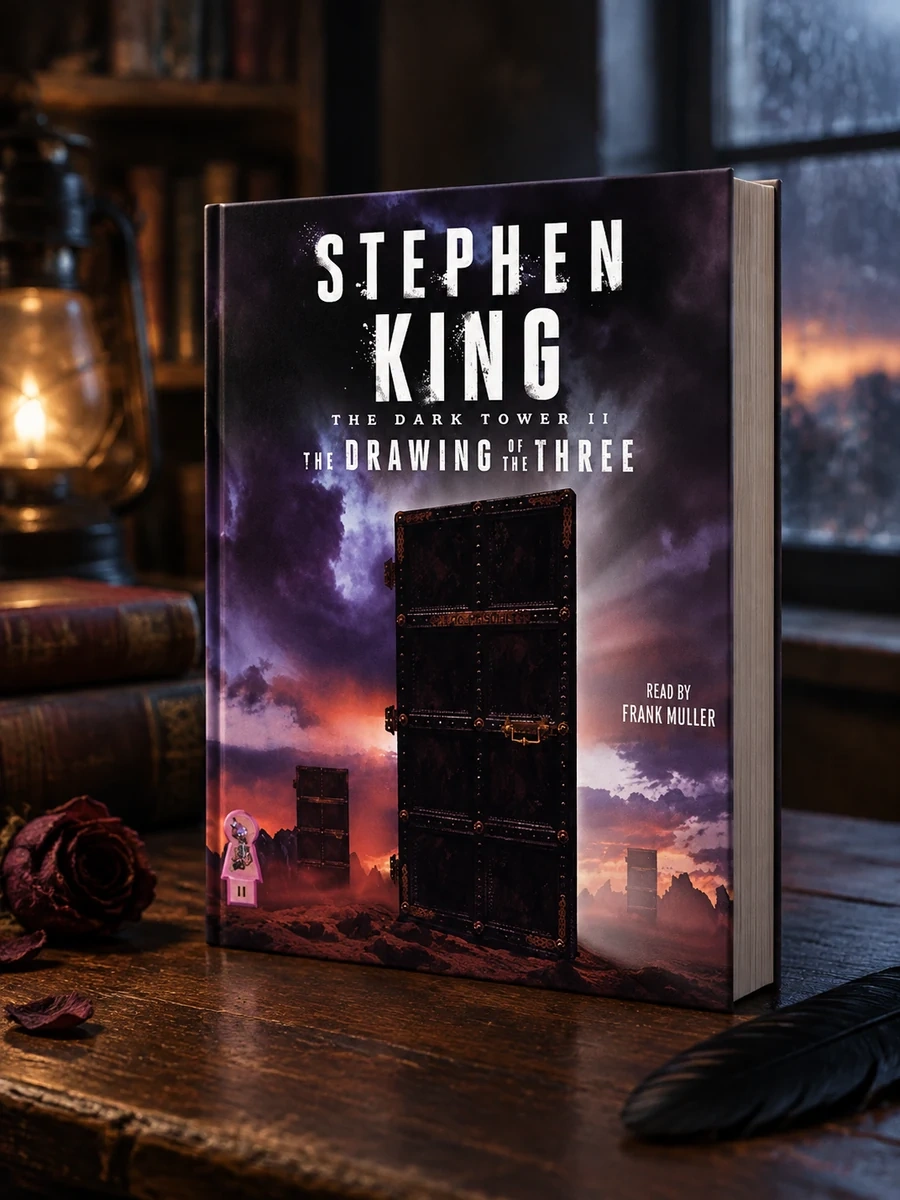
Dark Tower II: The Drawing of the Three — Stephen King
For readers who appreciate King's long-form dark fantasy, this continuation of his epic series offers intense character development and high-stakes survival. Dark Tower II: The Drawing of the Three
-
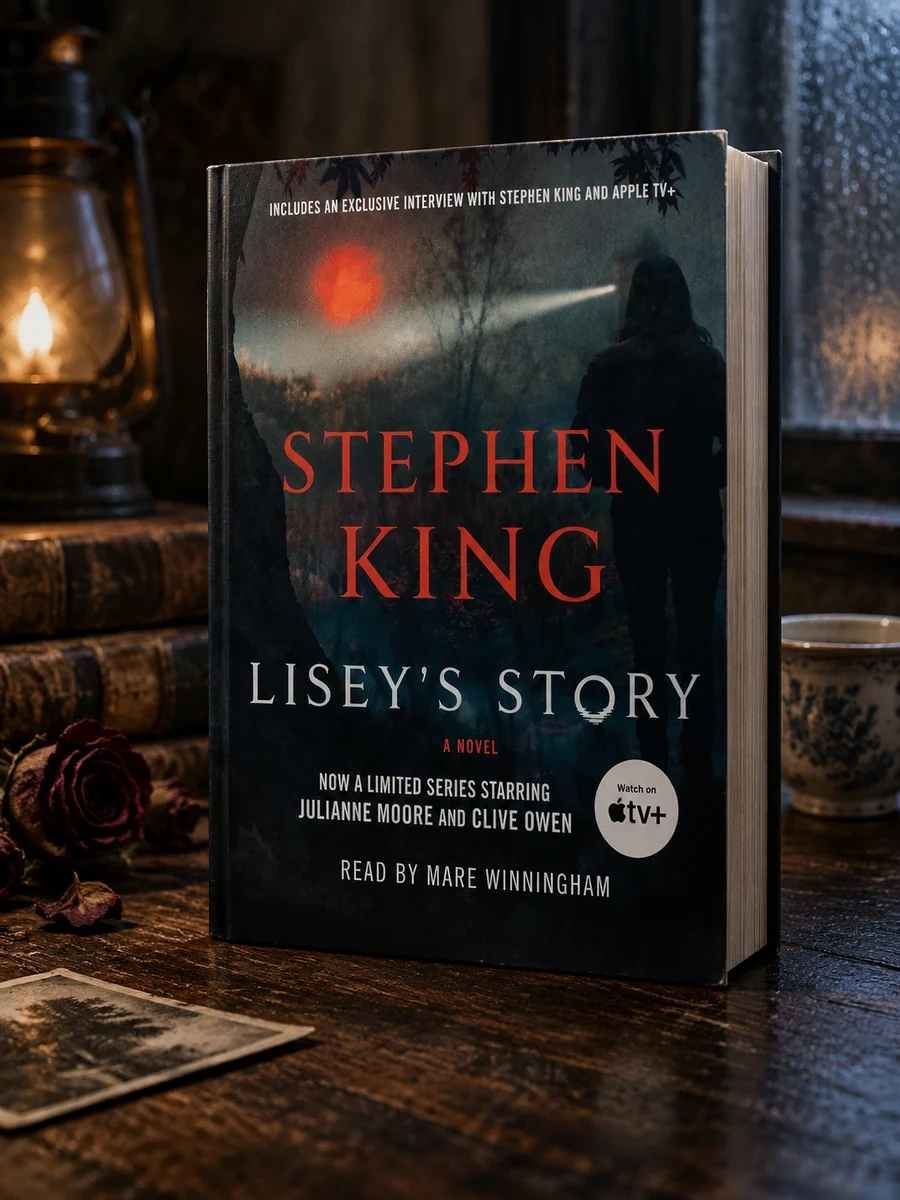
Lisey's Story — Stephen King
If the deep psychological states and complex characterizations of the survivors resonated with you, this ghost story provides a deeply personal, challenging read. Lisey's Story
-
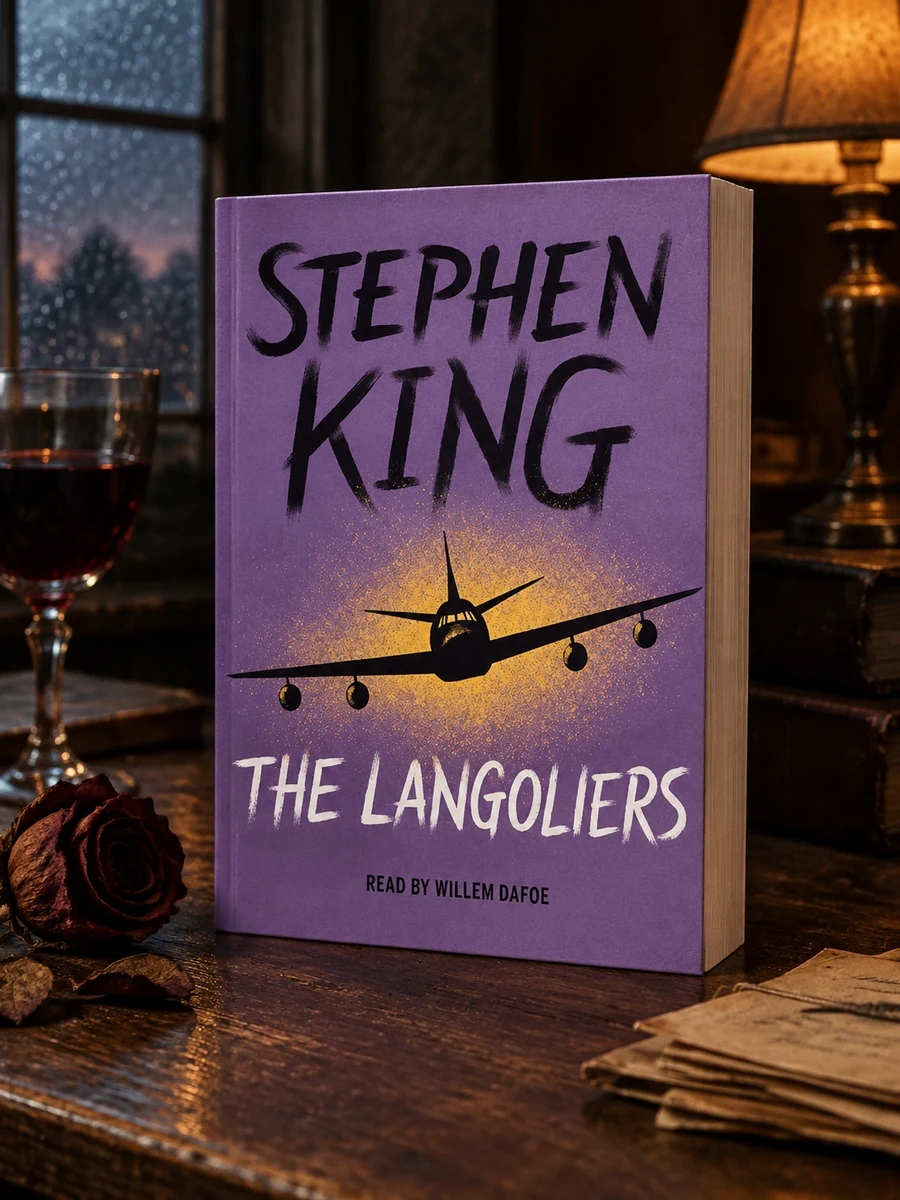
The Langoliers — Stephen King
Those who enjoyed the isolation and impending doom of the collapse will find this psychological horror story about survivors stranded in a dying reality highly engaging. The Langoliers
-
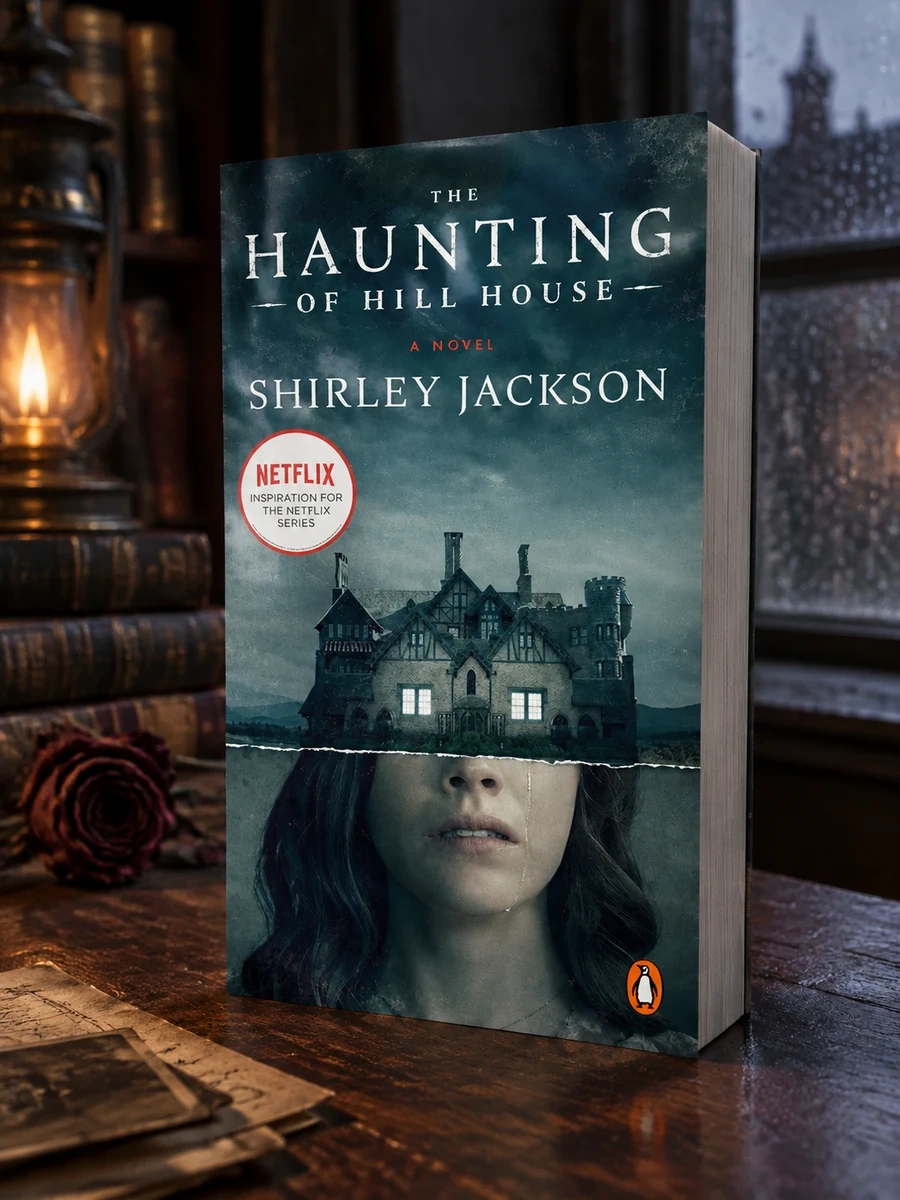
The Haunting of Hill House — Shirley Jackson
Seekers of psychological dread who appreciate slow-burn tension and complex character dynamics will adore this gothic masterpiece. The Haunting of Hill House
-
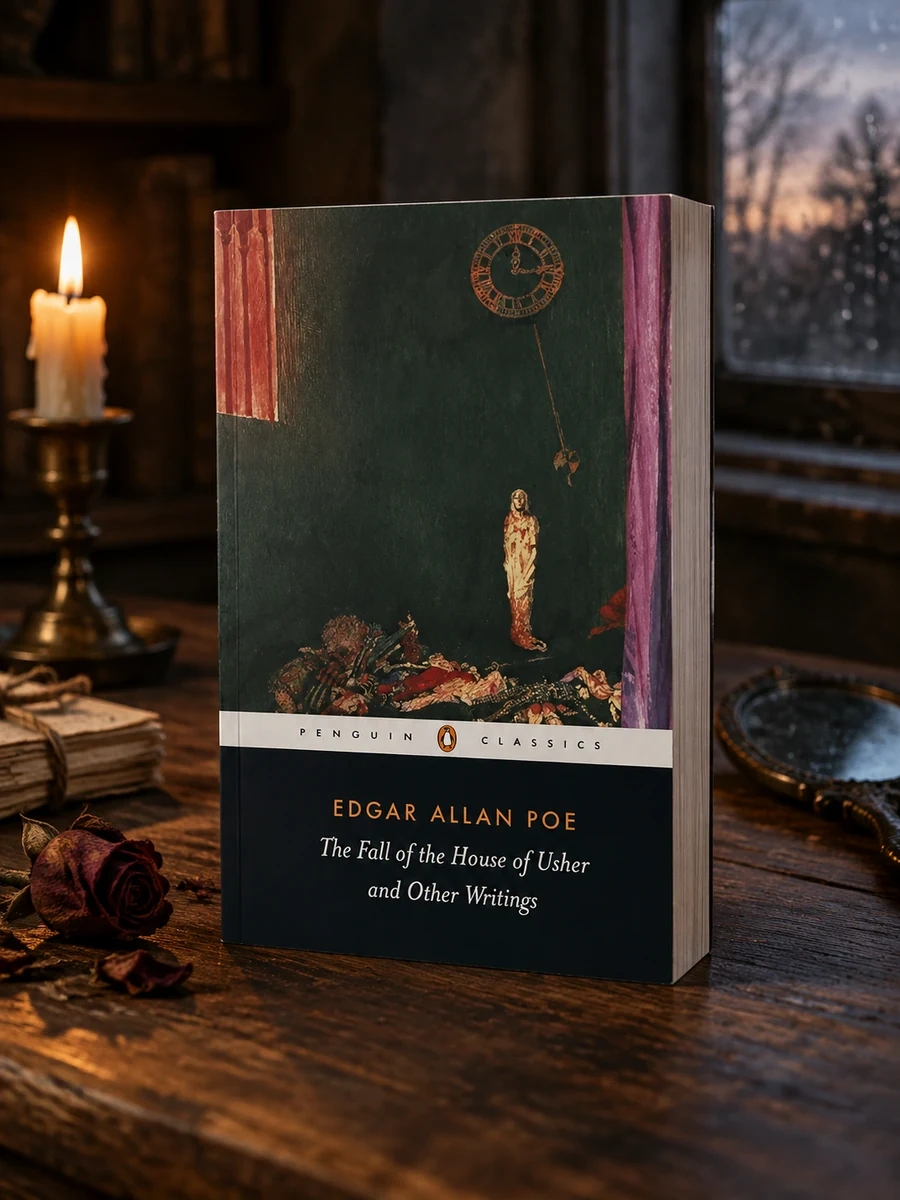
The Fall of the House of Usher and Other Writings — Edgar Allan Poe
If the creeping suspense within the gothic horror tradition is your favorite element, this collection of psychological dread is essential. The Fall of the House of Usher and Other Writings
-
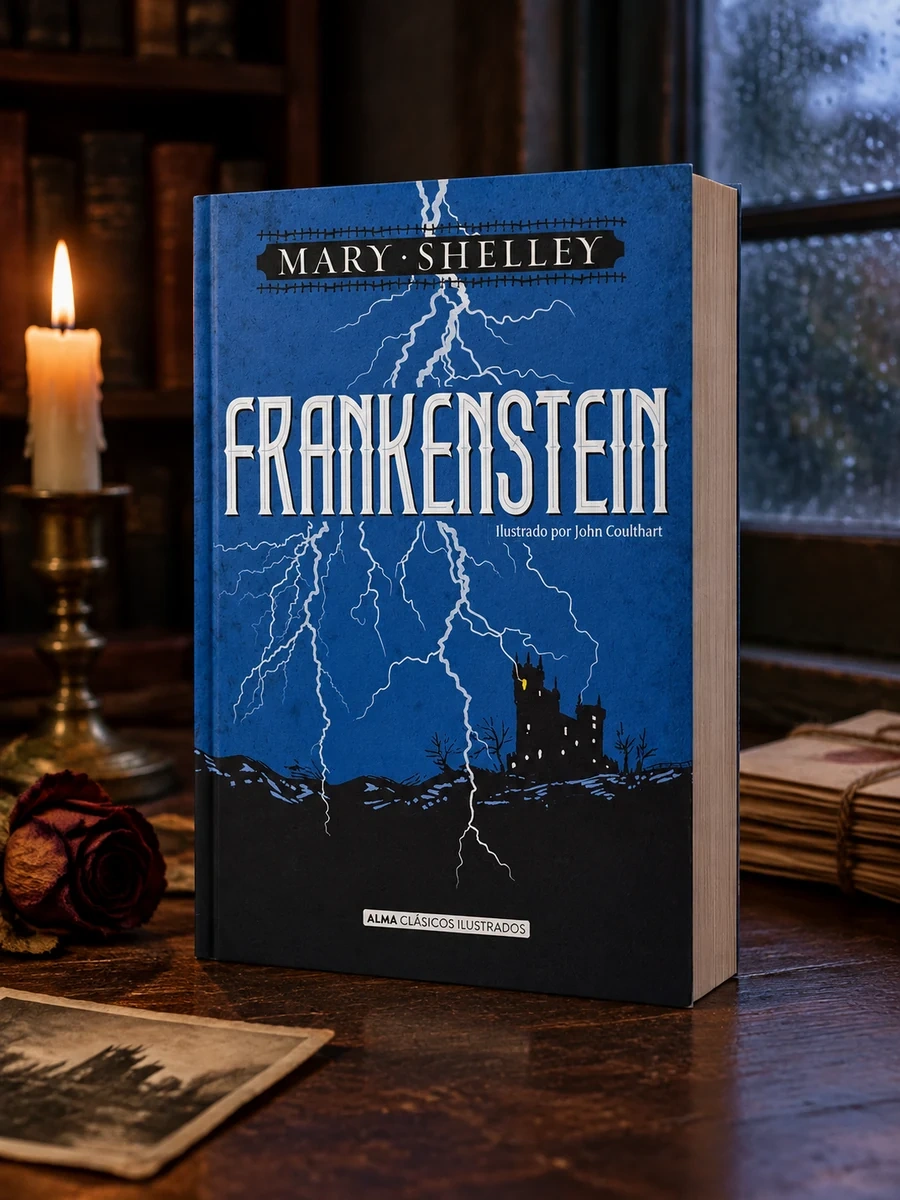
Frankenstein — Mary Shelley
For those fascinated by the disastrous consequences of science and biological themes, this foundational gothic text is a must-read. Frankenstein