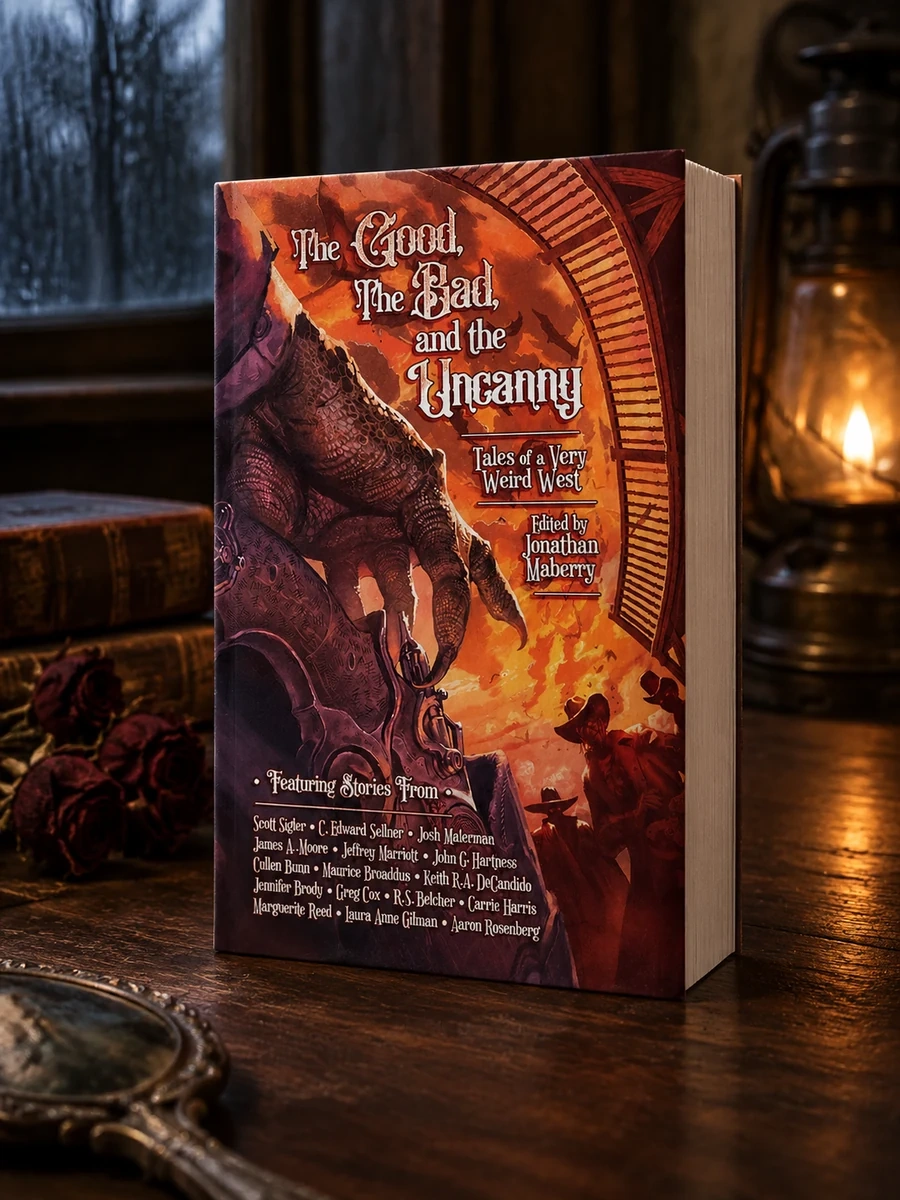
The Uncanny
The uncanny describes the eerie discomfort when familiar things suddenly feel strange and threatening, blurring the line between the real world and unsettling supernatural possibility.
In depth
<p>The uncanny in fiction is not about monsters jumping out from shadows or ghosts rattling chains. It is a specific type of dread rooted in the <strong> familiarity</strong> of the everyday. It occurs when objects, places, or routines that should feel safe and known begin to feel alien, wrong, or subtly hostile. The horror does not come from something new entering your life, but from something old turning against you. You recognize this technique by noticing how a character’s home, their reflection, or a routine habit starts to feel like a trap. The atmosphere shifts from comfortable to claustrophobic without any explicit threat appearing yet. The reader feels a creeping wrongness because the logic of the world has slipped just slightly out of alignment.</p><p>This concept originated in early twentieth-century psychoanalytic theory, where it described the return of repressed fears into conscious awareness. In literature, however, it works as a structural tool rather than a clinical diagnosis. Authors use it to destabilize the reader’s sense of reality. You might see this in stories where dolls move on their own, or where a character encounters a double who acts with malicious intent. The fear comes from the violation of the boundary between the living and the lifeless, or the self and the other.</p><p>Readers often confuse the uncanny with the grotesque or the monstrous. The difference is crucial. The grotesque relies on physical distortion, exaggeration, and bodily horror that is visibly unnatural. It is loud and obvious. The uncanny is quiet and subtle. It relies on ambiguity. A distorted face in a mirror is uncanny; a monster with too many limbs is grotesque. The uncanny asks you to doubt your own perception of reality, while the grotesque forces you to confront physical revulsion. In novels, this distinction keeps the horror psychological rather than purely visceral.</p><p>When reading for this effect, look for moments where the mundane becomes menacing. A house that feels like it is watching you. A voice that sounds familiar but wrong. These elements create a deep, resonant anxiety that lingers long after the page is turned. The power lies in the uncertainty of whether the threat is real or imagined.</p>