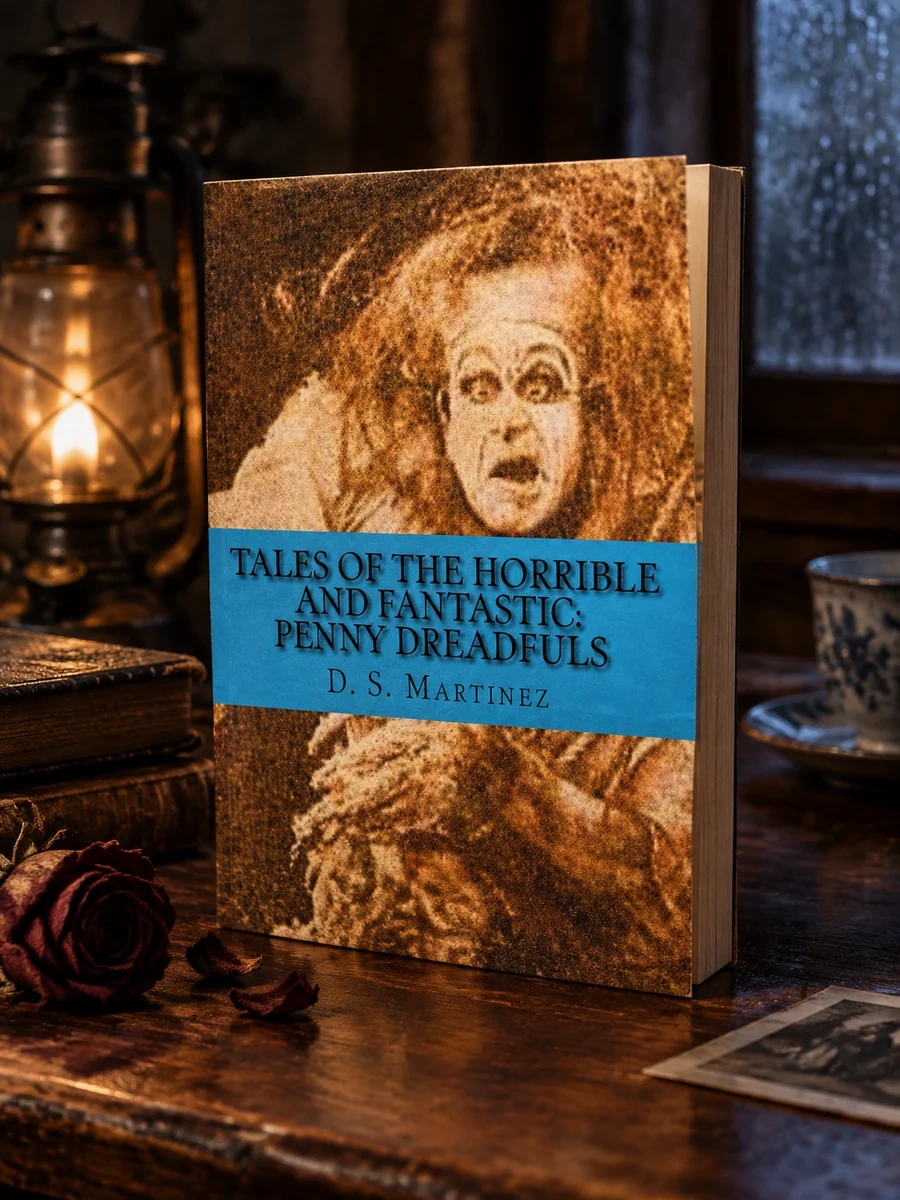
Penny Dreadful
Cheap, sensational serial novels from the Victorian era featuring lurid tales of crime and terror designed to thrill working-class readers with affordable weekly installments.
In depth
<p>The term describes a specific publishing format and literary genre that dominated popular entertainment in mid-to-late nineteenth-century Britain. These were not high-art literature but disposable commodities produced rapidly to capitalize on public fascination with the macabre, the criminal underworld, and the supernatural. Publishers utilized cheap paper and mass-production techniques to lower costs, making these stories accessible to working-class demographics who previously had limited access to printed fiction. The narratives typically featured hyperbolic prose, exaggerated villains, and sensationalized depictions of violence or horror, prioritizing immediate shock value over literary depth or character development.</p><p><strong>Historical Context</strong></p><p>The phenomenon emerged in the 1830s alongside advances in steam-powered printing technology and the expansion of literacy rates. Publishers like Edward Lloyd created a market for these inexpensive serials, often releasing them weekly to maintain reader engagement and recurring revenue. The format relied on cliffhangers and episodic structures to ensure continued purchases. While the physical pamphlets are long out of print, the cultural imprint remains significant in understanding the evolution of mass-market horror fiction.</p><p><strong>How to Recognize It</strong></p><p>In modern analysis, you identify this style by its breathless pacing and melodramatic tone. The prose is often dense with adjectives designed to evoke visceral fear rather than intellectual dread. Characters are archetypal: the virtuous heroine in peril, the monstrous villain with a tragic or grotesque past, and the bumbling authorities who fail to stop the horror. The plots revolve around clear threats—vampires, ghosts, or serial killers—that must be confronted within a tight narrative arc.</p><p><strong>Distinction from Neighbours</strong></p><p>Readers often confuse these with Gothic novels, but the distinction lies in tone and intent. Gothic fiction, such as works by Mary Shelley or Bram Stoker, emphasizes atmosphere, psychological complexity, and architectural grandeur. Penny Dreadfuls prioritize action, gore, and sensationalism. They lack the philosophical underpinnings of high Gothic literature, offering instead pure, unadulterated thrills for a penny. The confusion persists because both genres share tropes like castles and monsters, but their literary goals are fundamentally different.</p>