🩸Horror Tradition
Chupacabra
The chupacabra is a legendary cryptid originating from Puerto Rico in the mid-1990s, famous for allegedly attacking livestock and draining their blood.
Etymology & Origin
Where the word comes from
The name comes from Spanish, combining chupar (to suck) and cabra (goat), literally translating to goat-sucker.
Full Definition
In depth
Origins The legend of the chupacabra emerged relatively recently in folklore history, taking root in Puerto Rico in March 1995 after multiple farm animals were found dead with identical puncture wounds. Described as folklore rather than biological fact, this modern monster quickly captured public imagination across Latin America before spreading to North America and beyond through sensationalized media reports. Unlike ancient folklore creatures with centuries-old roots, the chupacabra represents a contemporary urban legend born in an era of rapid global communication and widespread anxieties about secret government experiments and mysterious ecological changes.
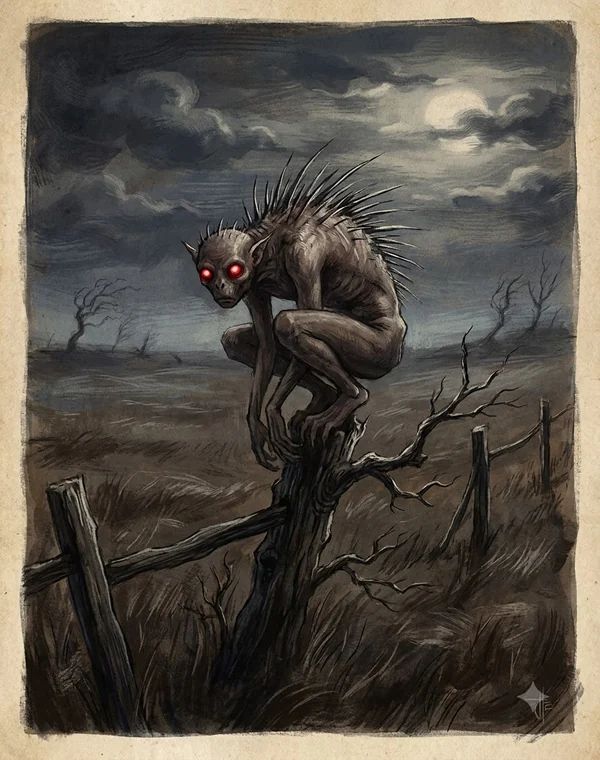
What It Is Said to Do In popular cryptozoological lore, the chupacabra is most frequently described as a hairless, reptilian or canine-like creature standing roughly three to five feet tall, featuring glowing red eyes, sharp fangs, and a spine lined with spines or quills. The creature is said to stalk rural farms at night, hunting primarily goats, sheep, and other livestock by puncturing the animal's neck to completely drain its blood. While frightened farmers and villagers have attempted to protect their animals using reinforced pens, high-intensity lighting, and firearms, folklore suggests that conventional security measures often fail against the preternatural agility and cunning of the beast.
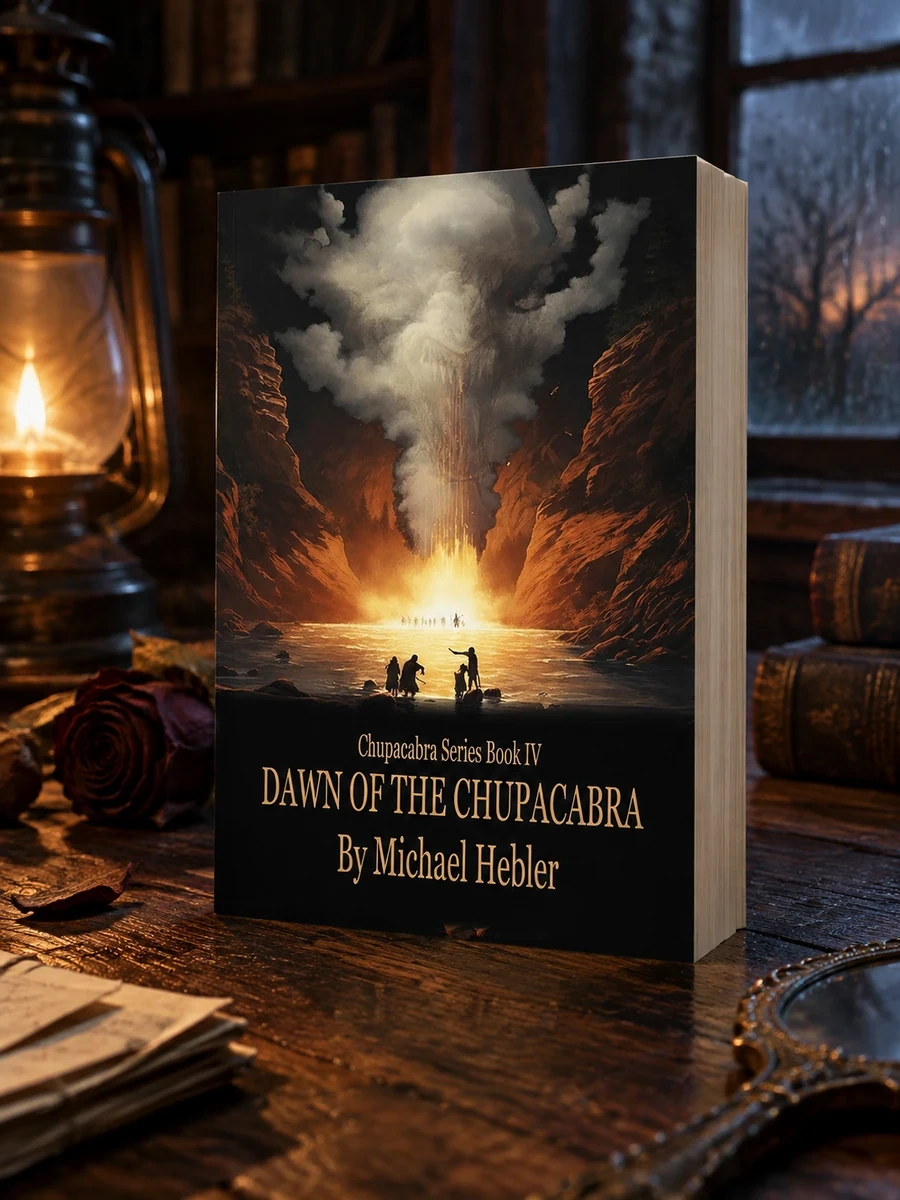
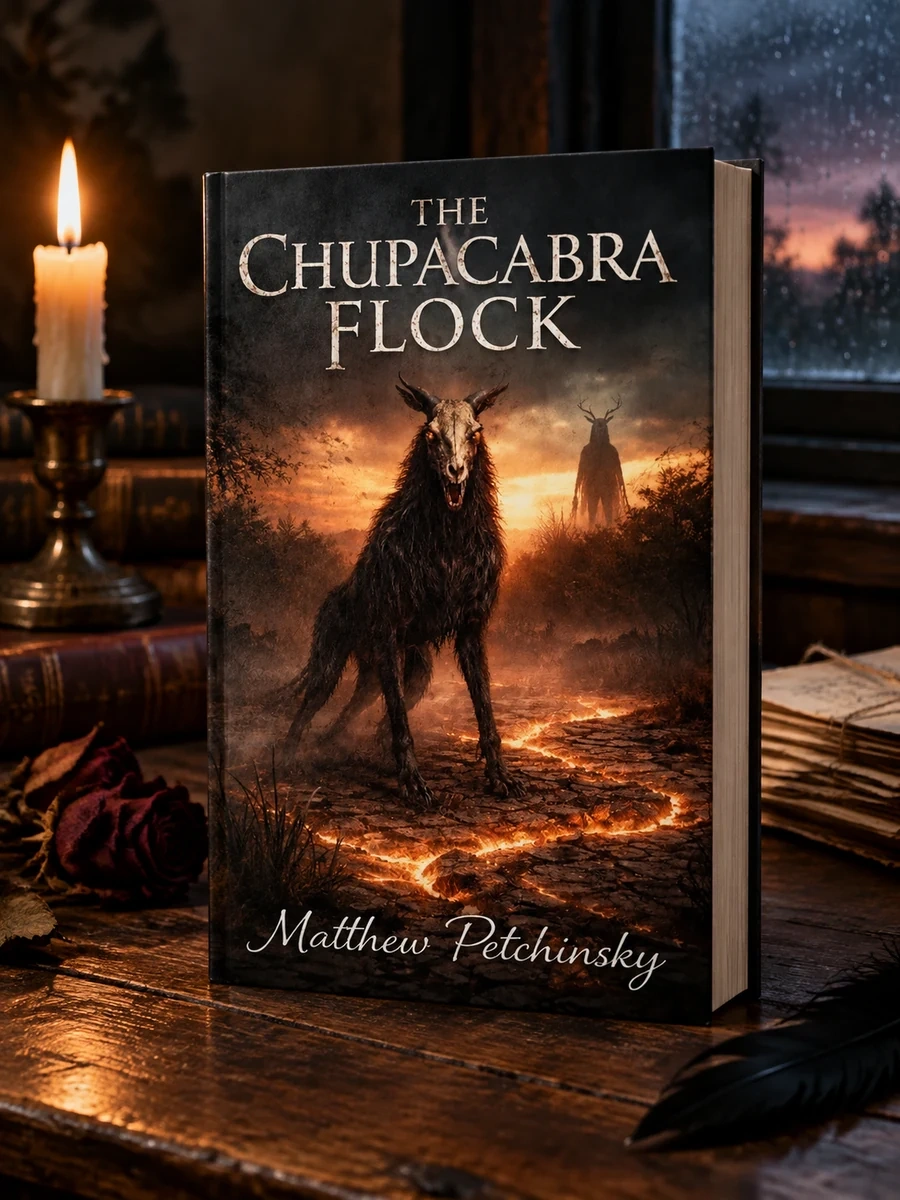
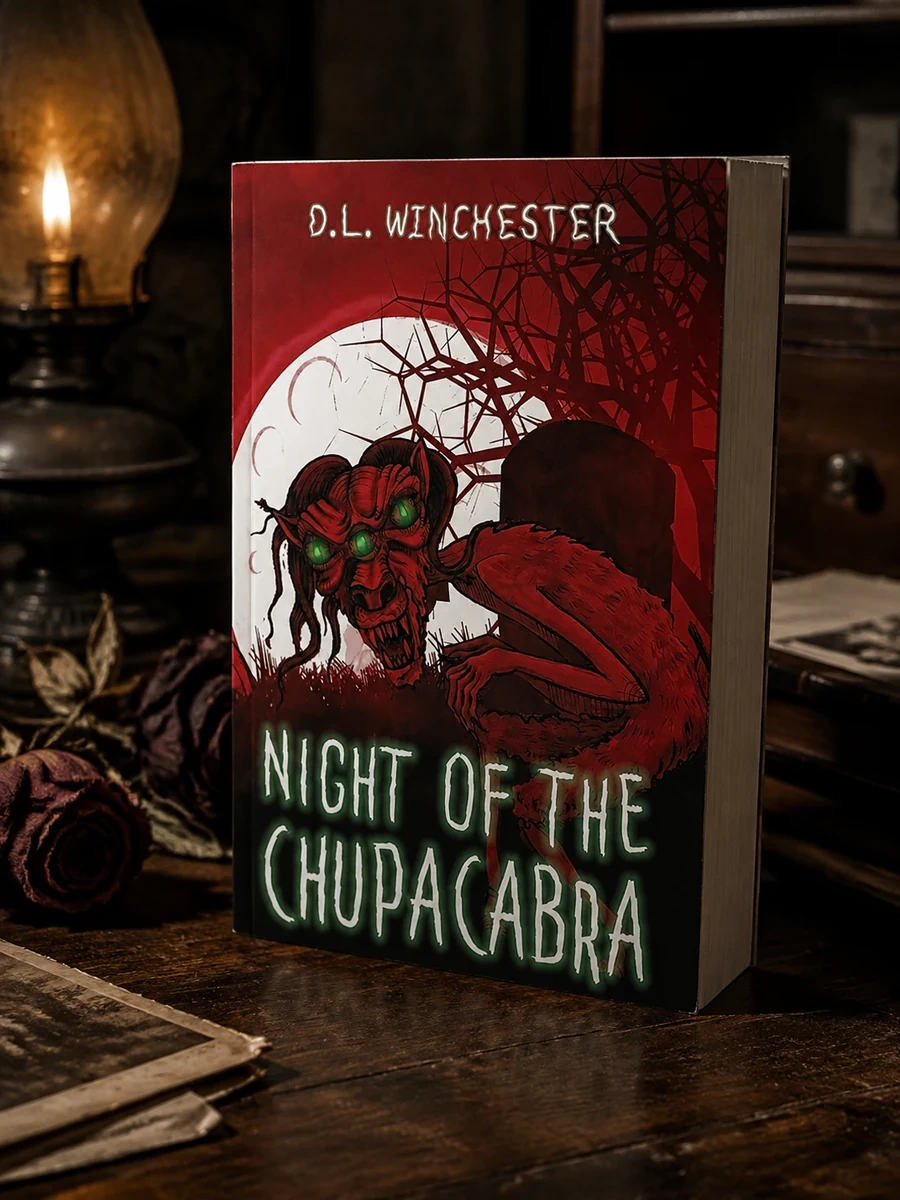
In Horror Fiction Horror fiction writers and speculative fiction authors have enthusiastically embraced the chupacabra, transforming it from a modern urban legend into a potent symbol of untamed, predatory menace and rural isolation. In literature, the creature often serves as a manifestation of nature striking back against encroaching human civilization or as a biological anomaly born from corporate and scientific hubris. Writers utilize the monster to evoke claustrophobic dread in remote agrarian settings, contrasting the vulnerability of rural communities against an elusive, nocturnal terror that leaves behind only drained carcasses and unanswered questions.
Why It Still Frightens This chilling cryptid endures in the cultural imagination because it taps into our deepest primordial fear of a hidden predator lurking just beyond the campfire light, waiting in the dark to prey upon the vulnerable.
Connected Concepts
Related horror terms
Further Study