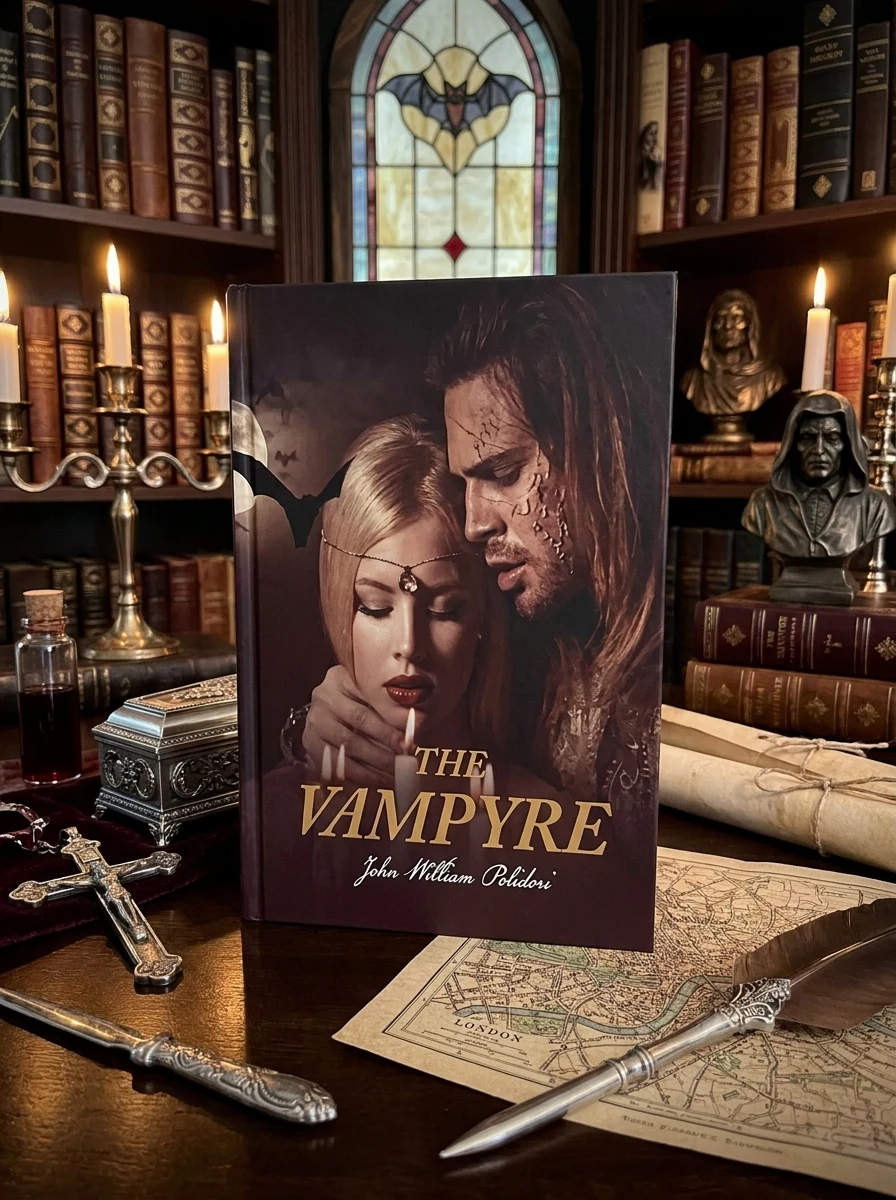
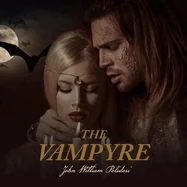
The Vampyre
Currently unavailable
This book is sold out right now. Leave your email — we'll let you know if it comes back, and you'll get 10% off any book today.
In stock now — readers of this book also loved:




A foundational gothic novella about a wealthy man befriending a dangerous nobleman.
Polidori’s story introduces Lord Ruthven, a charming aristocrat who befriends Aubrey. As their bond deepens, the narrative reveals Ruthven’s predatory intentions toward Aubrey’s sister. The plot unfolds through this personal betrayal, showcasing the shift from romantic attraction to supernatural terror. The novella captures the essence of early vampire fiction by focusing on character dynamics rather than action sequences. Its influence stems from its role in defining the suave, aristocratic vampire figure that persists in popular culture today.
This text originated from a specific literary competition alongside Mary Shelley's Frankenstein. It stands as one of the earliest effective uses of vampirism in literature, helping to shape the romantic vampire tradition that followed in subsequent decades.


📝 Description: The Vampyre
💎 Our verdict on The Vampyre
📖 Why choose it
Why this book is worth reading
Readers interested in the origins of vampire lore and the roots of Gothic literature will find immense value in this foundational text. It is ideal for those who appreciate short, atmospheric tales rooted in historical literary movements rather than modern horror tropes or extensive world-building. The novella offers a unique perspective on the evolution of the suave, aristocratic vampire archetype, showcasing the shift from romantic attraction to supernatural terror through character dynamics. By focusing on the tension between social grace and hidden menace within a personal betrayal, it provides essential context for understanding how early nineteenth-century creative circles shaped the genre's enduring appeal and structure.
⭐ Reader reviews
Reader rating
Polidori’s work excels in defining the archetype of the charming yet predatory aristocrat through subtle character dynamics rather than action sequences. The narrative effectively captures the essence of early vampire fiction by highlighting the lethal danger posed by a seemingly suave companion within a framework of social grace. This edition is best suited for readers seeking to understand the historical development of Gothic horror and the origins of the romantic vampire trope. While those expecting modern complexity may find the scope limited, the text remains an indispensable study of atmospheric tension and the transition from romantic allure to supernatural dread in literary history.