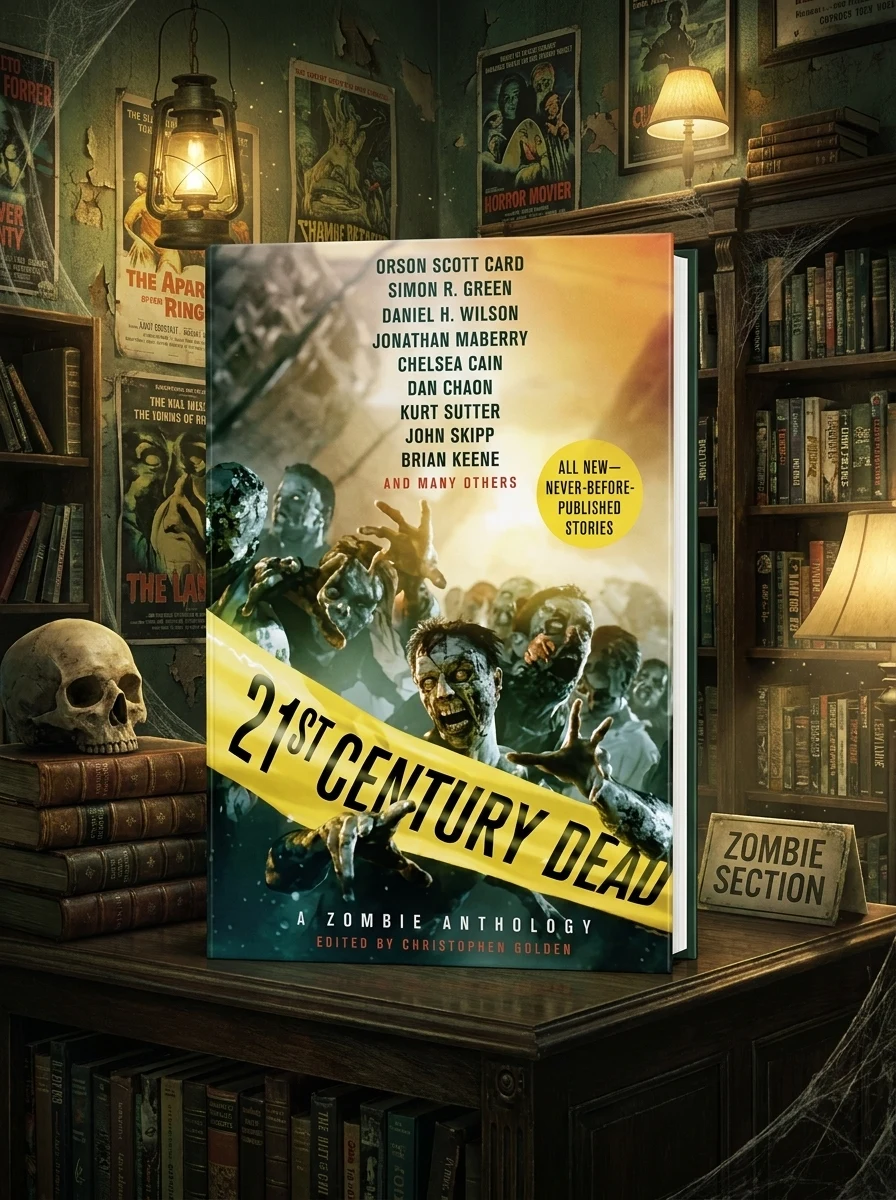
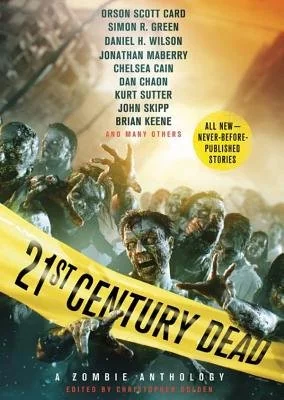
21st Century Dead: A Zombie Anthology
Currently unavailable
This book is sold out right now. Leave your email — we'll let you know if it comes back, and you'll get 10% off any book today.
In stock now — readers of this book also loved:


A curated collection of zombie fiction exploring modern fears of death.
This volume examines the cultural obsession with undead creatures through short stories by various authors. Mark Morris selects contributors who offer distinct views on resurrection and mortality. The book avoids broad generalizations, instead focusing on specific narrative interpretations of the zombie archetype. It reflects a period where horror fiction began to deeply analyze the societal implications of such monsters. Readers find a structured approach to the genre, with each story contributing to a larger thematic discussion about life after death.
Published in 2012 by Blackstone Publishing, this anthology sits within the early 21st century wave of horror literature that reexamined classic monsters. It reflects a time when publishers sought to revitalize traditional genres by gathering diverse new voices to explore familiar fears through contemporary lenses.

📝 Description: 21st Century Dead: A Zombie Anthology
💎 Our verdict on 21st Century Dead: A Zombie Anthology
📖 Why choose it
Why this book is worth reading
Readers interested in short-form horror fiction that examines societal fears through supernatural metaphors will find this collection rewarding. It offers a structured approach to the zombie archetype, allowing audiences to explore diverse narrative interpretations of resurrection and mortality without relying on a single author's voice. The anthology is ideal for those seeking a focused study of one particular monster type, providing a cohesive yet varied reading experience that highlights the breadth of contemporary horror writing dedicated to this specific subject matter.
⭐ Reader reviews
Reader rating
Mark Morris curates an eclectic mix of voices in this volume, offering distinct views on the zombie mythos within supernatural and gothic traditions. The book excels by avoiding broad generalizations, instead focusing on specific narrative interpretations that reflect ongoing literary conversations around death and return. It suits readers who appreciate a dark exploration of cultural fixation with the undead through short fiction rather than long novels. While it may not appeal to those seeking traditional ghost stories without undead elements, it provides a valuable look at how modern horror analyzes societal fears through the lens of the apocalypse.