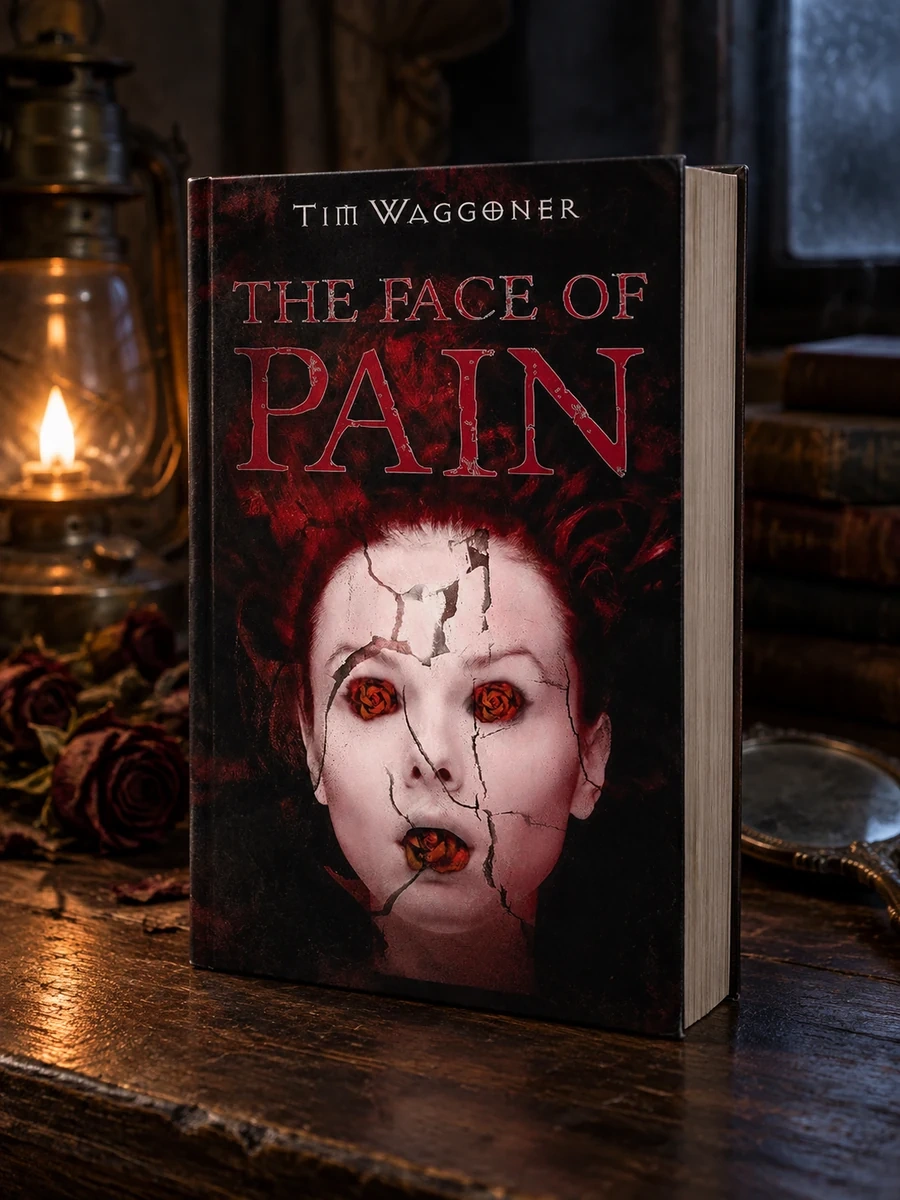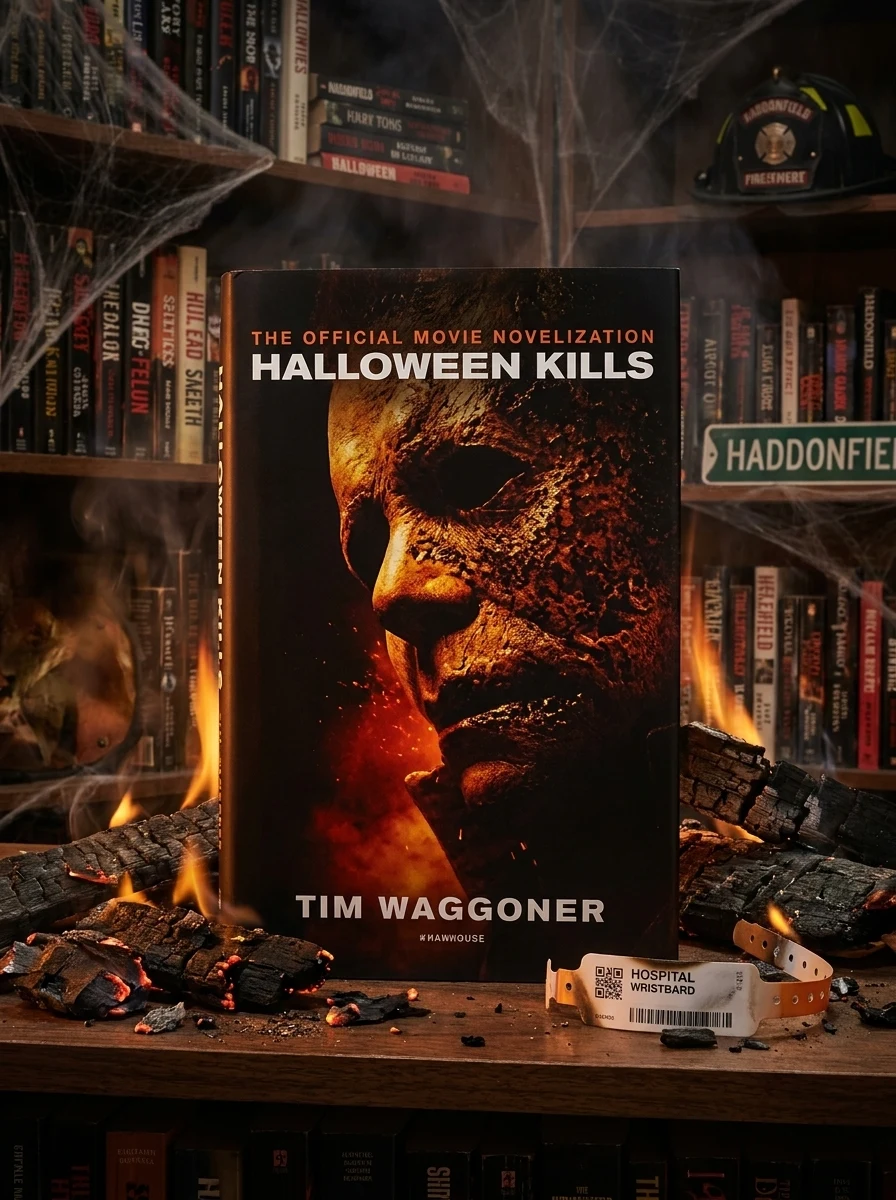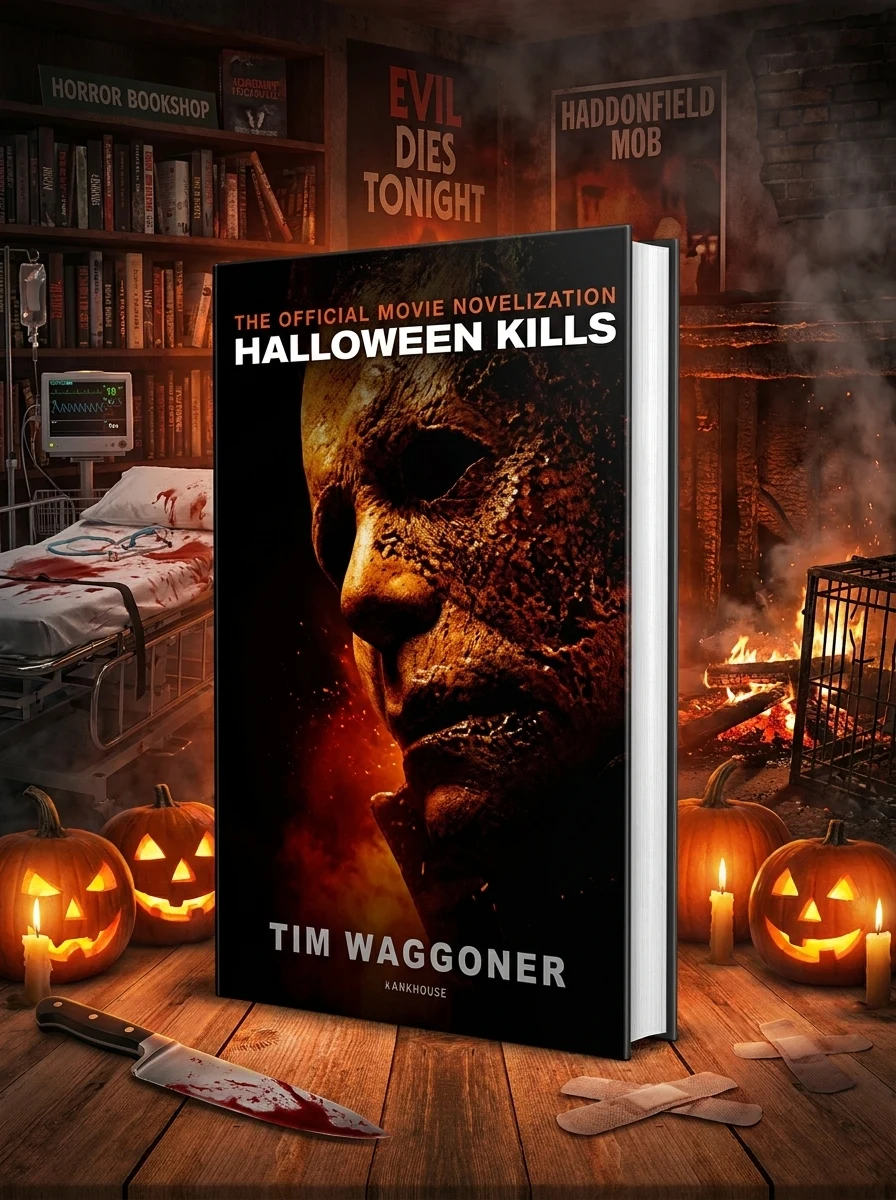
Halloween Kills: The Official Movie Novelization
Tim Waggoner's prose adaptation of the 2021 Halloween sequel.
This book retells the events following the 2018 film. It tracks Laurie Strode’s hospitalization and Michael Myers’ escape from a basement trap. The plot shifts to Haddonfield as survivors organize a vigilante group to hunt the masked killer. Waggoner expands on the emotional weight of Laurie’s injuries and the community’s desperate response. The narrative maintains the film’s pacing while providing deeper access to the characters' internal states during the chase. It does not introduce new villains or alter the ending. Readers looking for expanded universe lore will find this strictly tied to the movie's events.
This novelization connects to the 2018 Halloween film and its 2021 sequel. It sits within the horror genre tradition of slasher fiction, focusing on the enduring fear of Michael Myers as a masked monster. The story reflects themes of community resilience against unstoppable evil.

📝 Description: Halloween Kills: The Official Movie Novelization
💎 Our verdict on Halloween Kills: The Official Movie Novelization
📖 Why choose it
Why this book is worth reading
Readers who crave a deeper textual immersion into the iconic Halloween sequel will find value in this adaptation. Tim Waggoner translates visual tension into atmospheric detail, offering access to characters' internal states during the chase that the film cannot fully convey. This book suits those interested in Laurie Strode’s emotional weight and the community’s desperate response to Michael Myers’ escape. It is ideal for fans who prefer prose over cinematic spectacle and want to understand the vigilante mob's formation from within. However, it may disappoint those seeking new lore or altered endings, as it remains strictly tied to the movie's established events without introducing extraneous subplots or characters.
⭐ Reader reviews
Reader rating
Waggoner’s adaptation succeeds in capturing the specific dread of the source material through internal monologue and atmospheric prose. It effectively expands on the emotional weight of Laurie Strode’s injuries while maintaining the film’s pacing. The narrative focuses on collective resistance, making it compelling for readers interested in the psychological impact of trauma and survival. While it offers no new villains or lore, its strength lies in translating visual tension into literary depth. This book is best suited for dedicated fans of the franchise who wish to explore the characters' internal perspectives. It provides a faithful yet immersive experience for those who value textual engagement with established horror narratives.