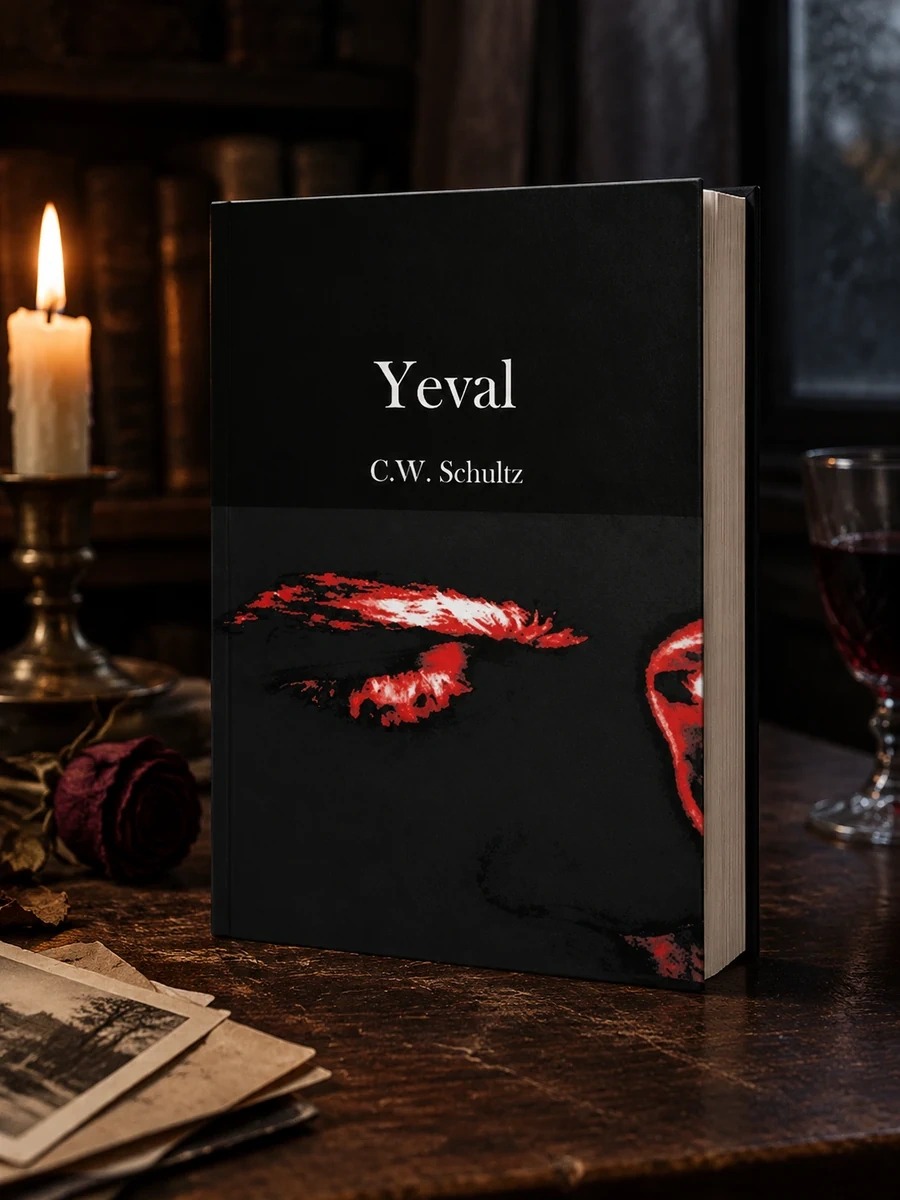

Yeval
A novel about a man forced into madness by a monster named Yeval.
Schultz presents a debut that critiques the shallow appeal of violent entertainment. Randy Mulray faces an incommunicable reality within the Dark Room. He is mentally trapped there by Yeval. The text asks if audiences can truly grasp the futility of violence when it is packaged for consumption. This approach differs from standard jump-scare narratives. It focuses on the internal experience of terror rather than external monsters. The story does not resolve neatly. It leaves the reader with questions about the nature of perception and the cost of witnessing horror.
Published by Booksurge Publishing in 2007, this work sits within the tradition of psychological horror. It engages with contemporary debates about media consumption and the desensitization to violence. The novel reflects a period where authors began questioning the ethical implications of depicting brutality for audience pleasure.


📝 Description: Yeval
💎 Our verdict on Yeval
📖 Why choose it
Why this book is worth reading
Readers seeking a departure from conventional jump-scare narratives will find value in this introspective exploration of terror. It appeals to those interested in the psychological mechanics of fear rather than external monsters. The book is ideal for audiences who enjoy analyzing the futility of violence when packaged for entertainment. Those fascinated by the blurring lines between reality and imagination will appreciate its cold, unsensational approach. It serves as a study in mental coercion for readers willing to engage with unresolved moral questions about perception and the cost of witnessing horror.
⭐ Reader reviews
Reader rating
Schultz delivers a provocative critique of violent entertainment through Randy Mulray’s descent into madness within the Dark Room. The narrative excels in portraying internal terror rather than relying on external threats, creating an unsettling atmosphere that challenges the reader’s comfort with media consumption. By focusing on mental coercion, the text avoids sensationalism, offering a cold examination of human perception. This approach resonates strongly with readers interested in psychological horror and the ethics of fear. However, those preferring resolved plots or traditional ghost stories may find the lack of easy answers frustrating. It is a specific, intense study for the discerning horror enthusiast.
📖 Read on the blog
✍️ More books by this author C W Schultz



🏛 Books from this publisher Booksurge Publishing



You might also like
See more →



Have a question about this item?
Ask about the edition, condition, delivery or anything else — we reply by email or phone, usually within a day.
